



What our patients say


The team are fantastic! Very helpful and informative. Would recommend them to everyone.

From being greeted at reception through to discussing pain and receiving treatment, each person of the team was helpful, welcoming, reassuring and, most importantly, effective. So thankful to have found your clinic. Thank you

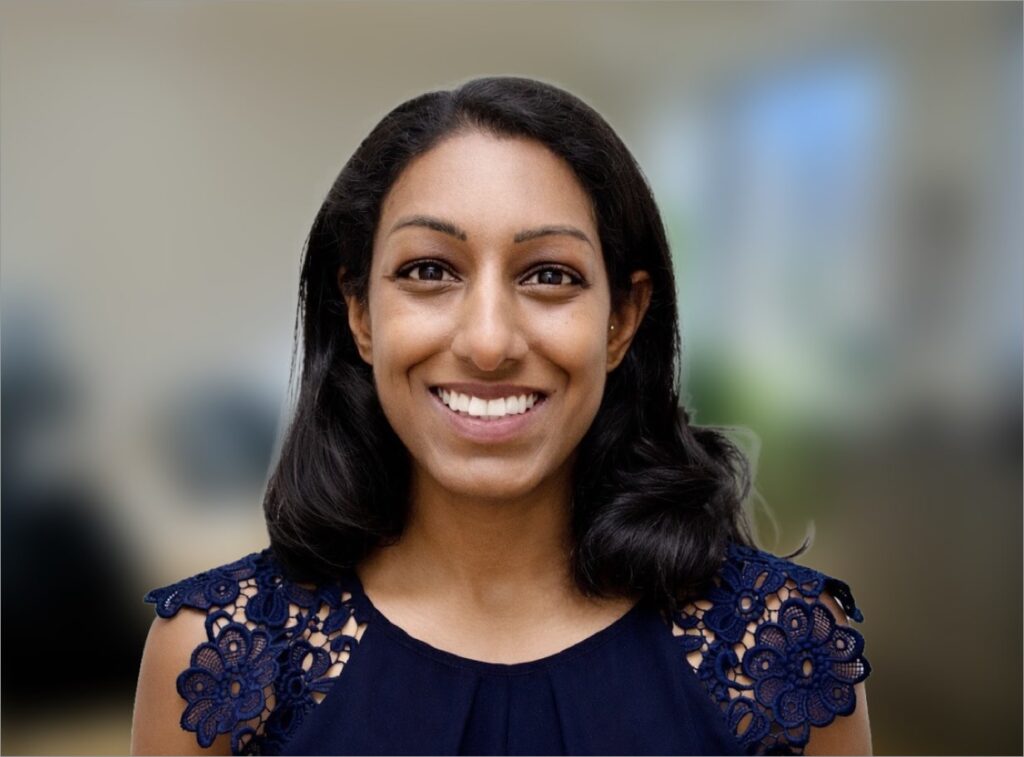
I initially visited TMJ Centre Melbourne in October 2025 after a few years of persisting symptoms of bruxism and jaw clenching. I was seen by Dr Nikita Gosrani, and she best assisted me after previous attempts of trying to resolve and alleviate the issue through GP’s and dentists. Dr Gosrani, approached my concerns holistically and was proactive in finding what treatment pathway was right for me. I can honestly say that the treatment I have received is exceptional. I now sleep through the night, enjoy good quality sleep and don’t wake up with a terrible headache from clenching my jaw. Dr Gosrani is incredibly knowledgeable in this field; I highly recommend visiting TMJ Centre Melbourne.

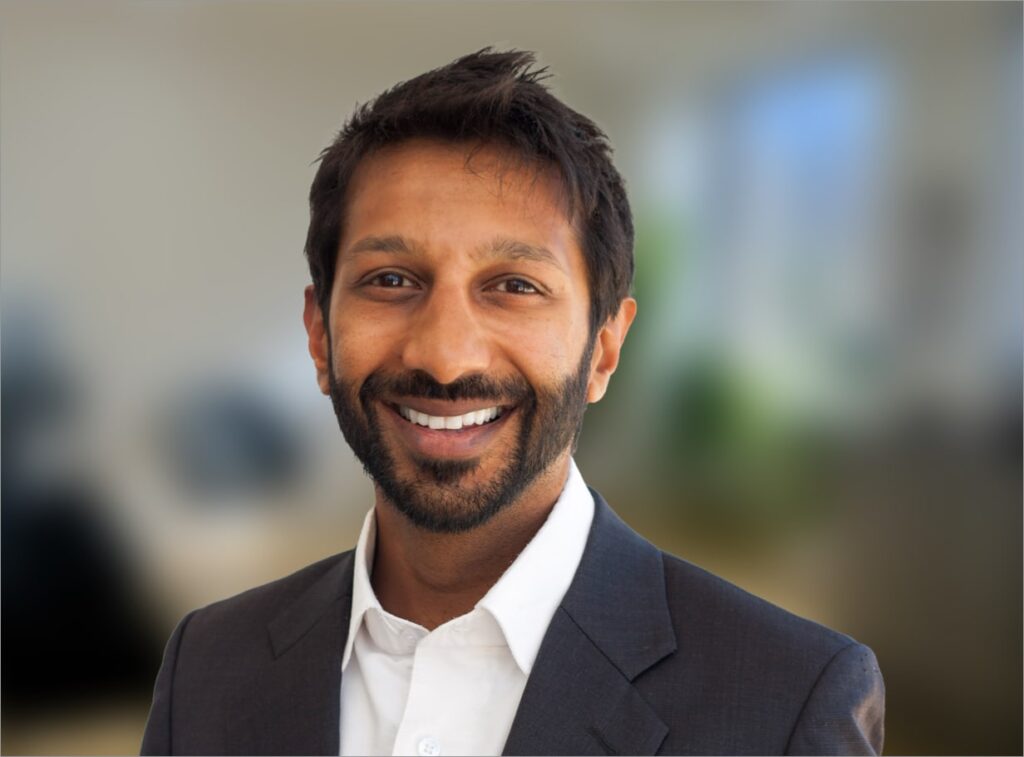
I was referred to Dr Shah due to chronic pain in the right side of my jaw about 6 months ago.
Dr Shah was thorough in his examination/assessment and over a number of sessions we experimented with different treatments including injections.
Dr Shah also fitted me for a splint which I wear sleeping.
I am happy to report that my symptoms have almost completely cleared up as a result of his treatment.
Dr Shah is personable, communicates clearly and is a consummate professional. If you’re experiencing jaw pain, he’s your man!
Dr Shah was thorough in his examination/assessment and over a number of sessions we experimented with different treatments including injections.
Dr Shah also fitted me for a splint which I wear sleeping.
I am happy to report that my symptoms have almost completely cleared up as a result of his treatment.
Dr Shah is personable, communicates clearly and is a consummate professional. If you’re experiencing jaw pain, he’s your man!

Went to lots of doctors and spent lots of time trying to get rid of the clicking and locking in my jaw until I booked an appointment at this clinic with doctor (Meetal shah) after a couple of appointments my symptoms disappeared. I would definitely recommend this clinic to anyone who needs it.

I've been seeing Dr Nikita Gosrani at TMJ Centre for over 2 years and the treatment has been excellent. My regular dentist didn't seem to have the expertise in TMJD to prescribe the right type of splint so getting it done here was great. Also - getting botox through TMJ Centre was cheaper and easier / quicker then regular dentist so very happy!

I can’t recommend Dr Nikita Gosrani highly enough. After struggling with TMJ issues and trying other treatments with little success, Dr Nikita was the first practitioner who truly listened and took the time to understand my symptoms. The care was professional, thorough and personalised, and I finally experienced long-term relief where others couldn’t help. I felt genuinely heard, supported and understood throughout the entire process. An exceptional experience and life-changing results!!

Speechless with the results. I had TMJ disorder for over 12 years when I visited Dr Shah last year. After my first visit my pain levels were gone from 10 to 3. Dr Shah advised retainer that I started using and progress stayed very well. Due to busy schedule I couldn’t keep up with my appointments and fell in the same end, struggling with pain, exhaustion. Visited Dr Shah last week again, retainers were damaged due to severe grinding and clenching. He fixed the retainers, did dry needling and laser. Today I went from another appointment and guess what…again pain levels gone from 10 to 3 in one week. So I would highly recommend Dr shah even anyone out there is struggling with TMJ disorder. He has saved my life.

Dr Nikita Gosrani is amazing! She helped relieve my jaw pain and my lock jaw issues which I was really struggling with for a long time. Nikita knew exactly what treatments worked for me and I wish I met her sooner! Highly recommend her for anyone having TMJ issues.


TMJ (temporomandibular joint) disorders can happen for many reasons, and they can be really painful and...
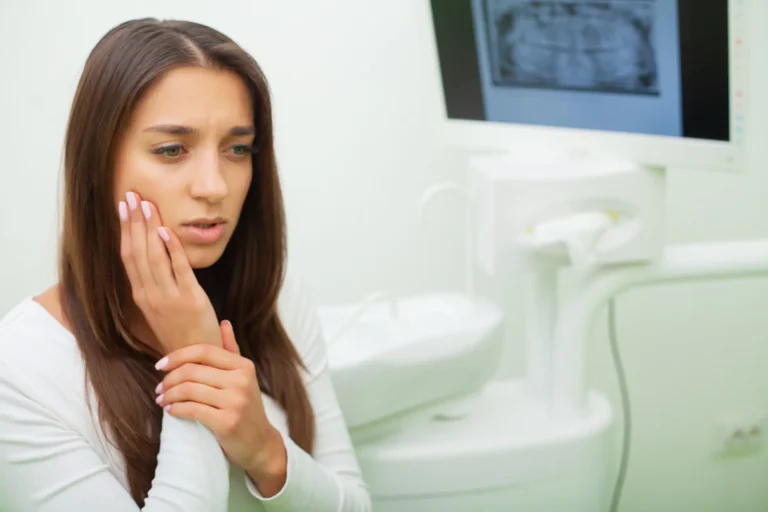
Many people experiencing jaw pain, headaches, or dental issues find themselves confused about whether...