
Allied Health Collaboration
Integrated TMD Care
Jaw pain can be influenced by more than the jaw joints and teeth. Neck pain, muscle tension, headaches, sleep, breathing and stress may also contribute in some people.
When these factors are relevant, we may coordinate care with our in-house chiropractor or another appropriate health professional. The aim is to address the areas most likely to be contributing, rather than referring every patient for multiple treatments.
What this involves
Coordinated care to address contributing factors
Our approach follows recognised TMD assessment principles and considers the whole person, not just the jaw joints and muscles. Where relevant, we consider how movement, daily habits, sleep, general health, the effect of stress on muscle tension and pain, and a pain system that has become more sensitive may affect your symptoms.
When appropriate, care may involve our in-house chiropractor for assessment of the jaw, neck and surrounding muscles, or coordination with another health professional. Collaboration is recommended selectively and guided by your symptoms and treatment goals.
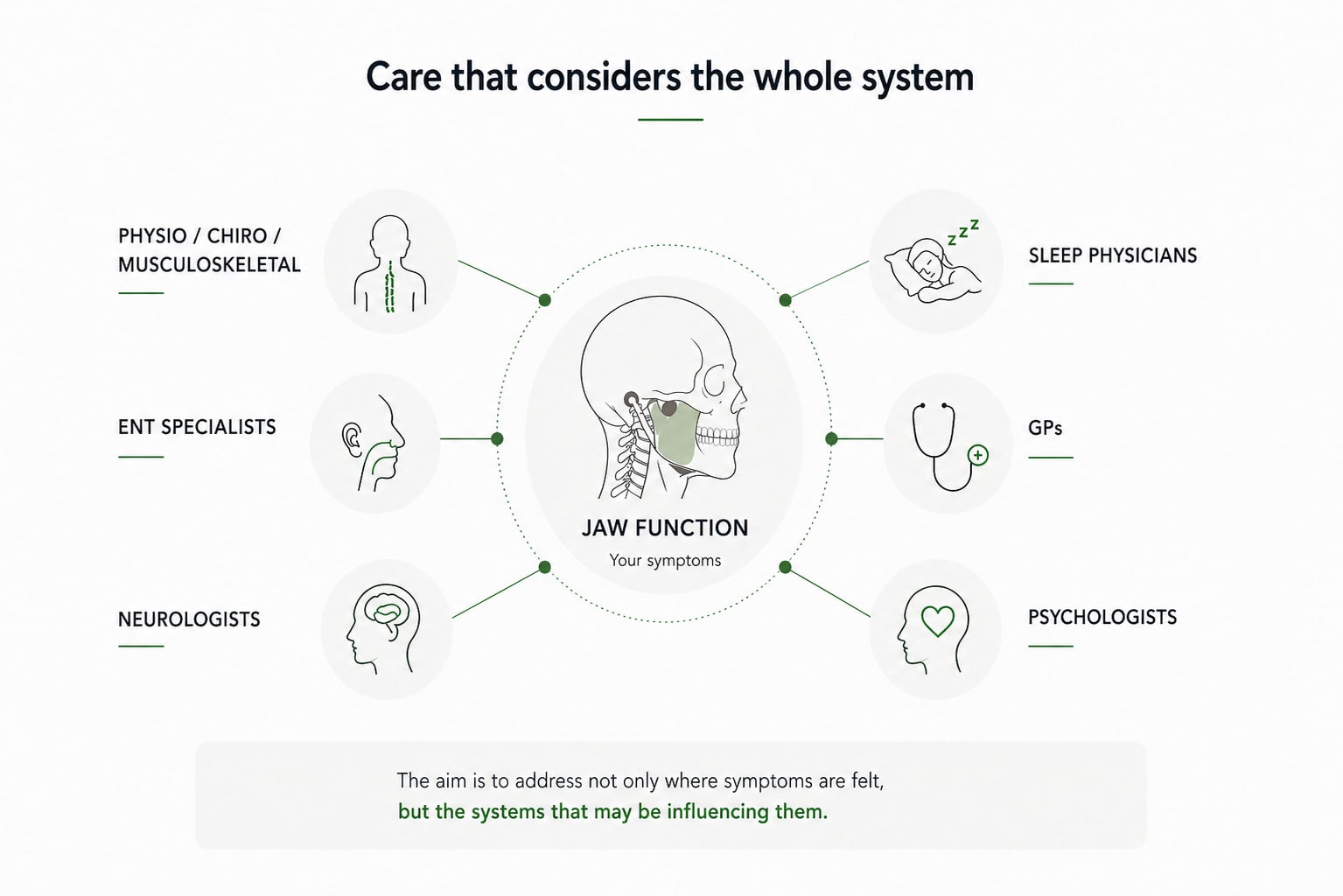
This may involve collaboration with:
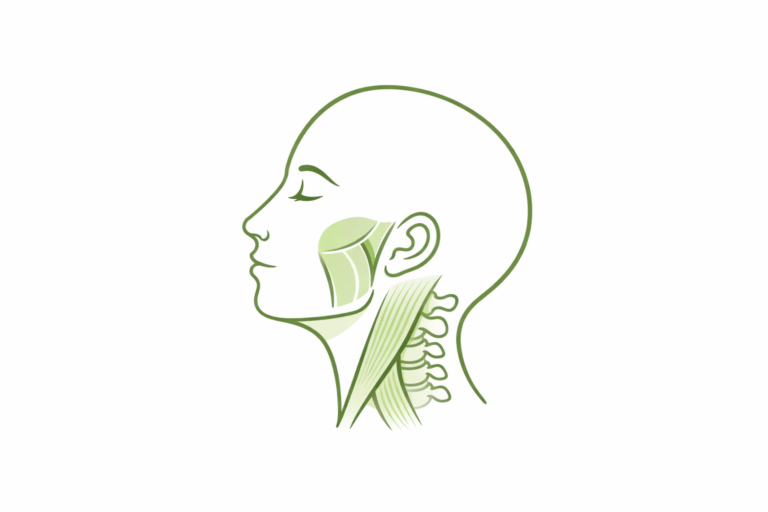
Physiotherapists / chiropractors / musculoskeletal therapists
ENT specialists
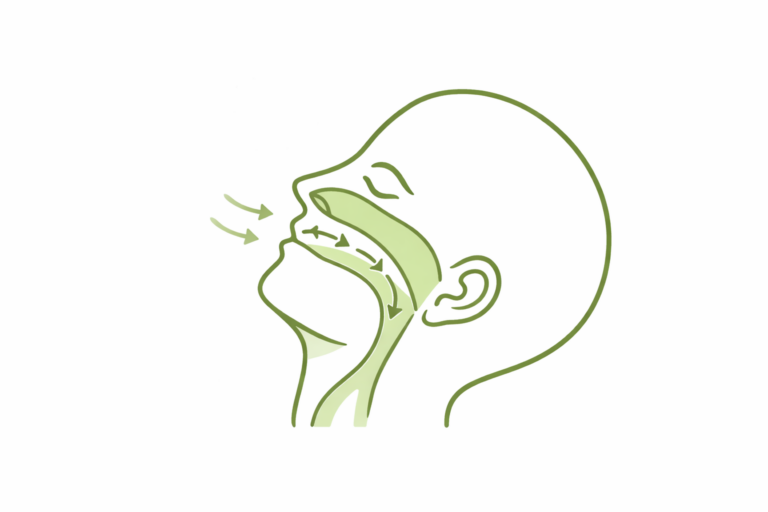
When ear, nasal or breathing symptoms need further medical assessment
Sleep physicians
General practitioners (GPs)
Neurologists
Psychologists
Why it may be used
When symptoms are influenced by more than one system
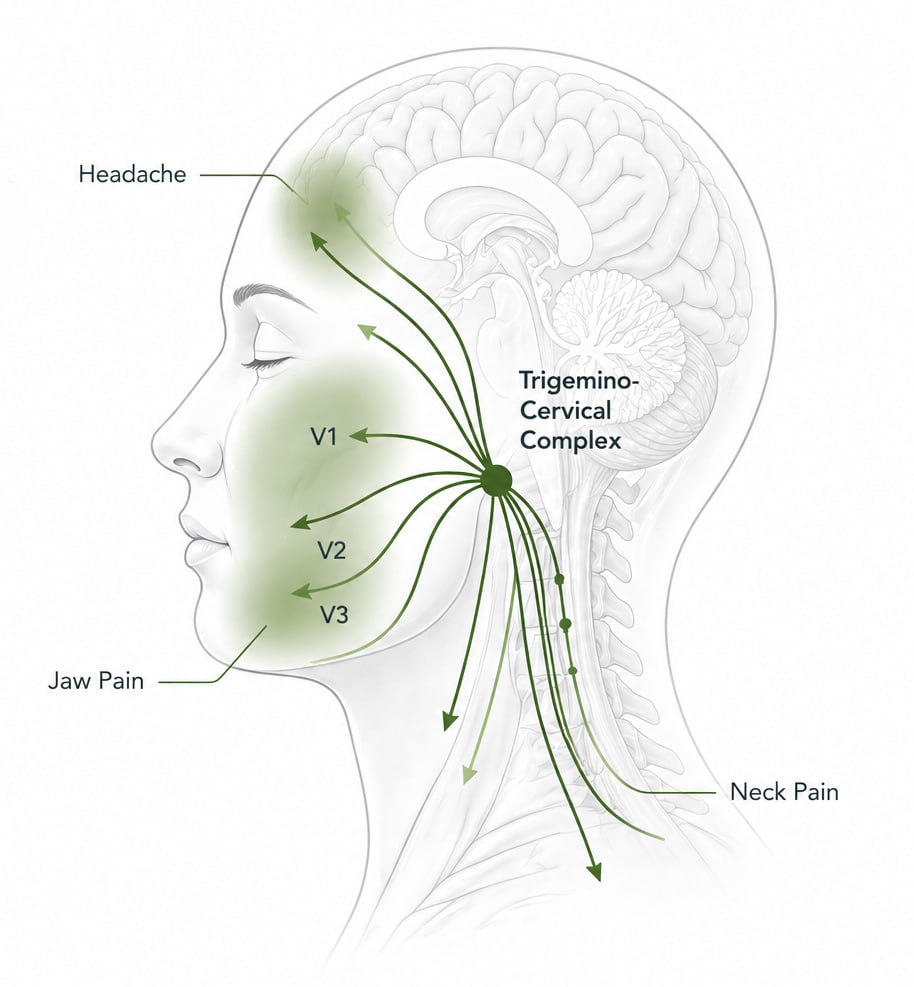
Jaw, facial and head pain can be influenced by several systems working together. This may include jaw muscle activity, joint mechanics, cervical function, posture, breathing patterns, sleep disruption and nervous system sensitivity.
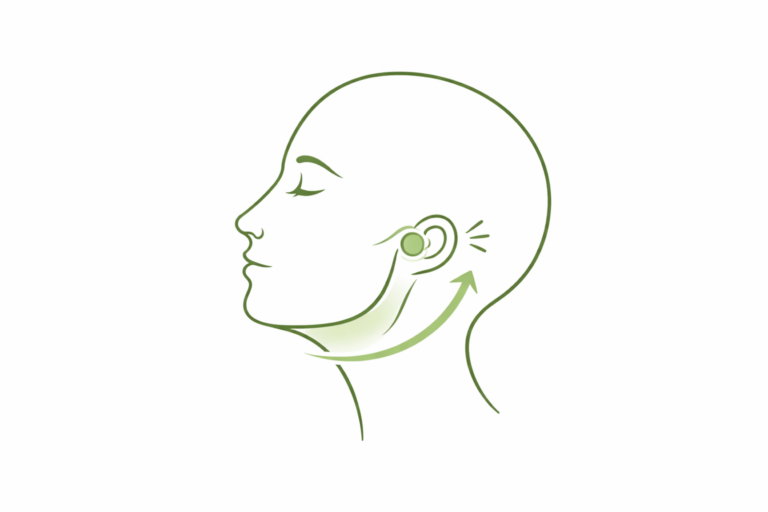
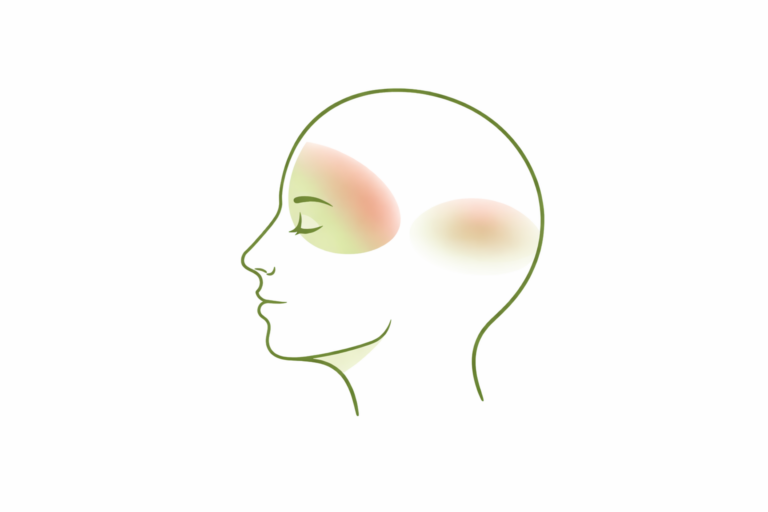
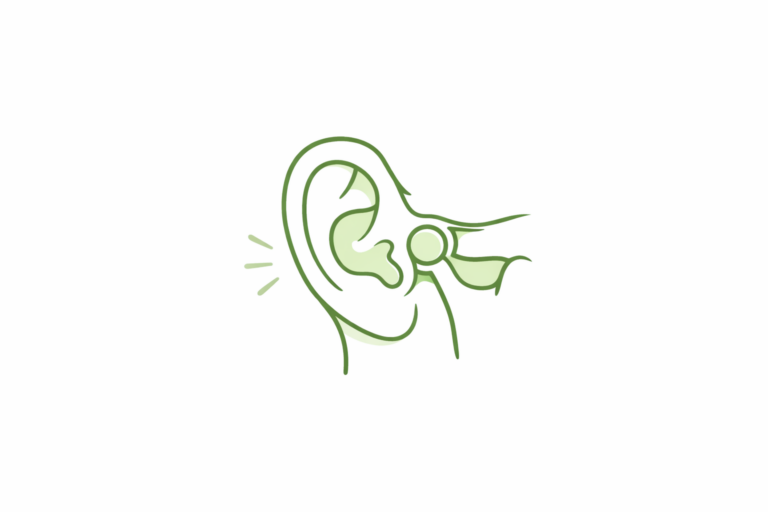
In some patients, pain does not originate from the jaw alone. The jaw, face, temples, ears and upper neck share overlapping nerve pathways, including the trigeminocervical complex. This can allow pain to be referred between the jaw, head and neck regions.
This means:
- neck issues can present as jaw or headache pain
- jaw dysfunction can contribute to neck and head symptoms
When these contributing factors are clinically relevant, isolated jaw treatment may not fully explain why symptoms persist or return. A coordinated approach allows these overlapping contributors to be assessed and addressed where appropriate.
“Care may involve multiple perspectives when contributing factors extend beyond the jaw alone.”
01
Muscle patterns - Tension, guarding, or imbalance in the jaw, neck, and shoulder muscles
02
Postural influences - How head, neck, and upper body position affect loading on the jaw
03
Movement habits - Patterns of use that may place ongoing strain on the system
04
Functional interaction - How different systems influence each other during everyday activity
Tailored collaboration
Not all patients require multidisciplinary care
Collaboration is considered only when it adds value to understanding or managing your condition.
It is more commonly introduced where symptoms are:
- persistent or recurring
- involving multiple regions (jaw, neck, head, shoulders)
- influenced by posture, movement, or daily habits
- not responding as expected to previous care
Care is coordinated so that each component supports the overall treatment plan, rather than working in isolation.
This may include:
Musculoskeletal input
Postural support
Functional patterns
Identifying habits that may contribute to ongoing loading of the jaw system
Sleep and airway considerations
Medical and psychosocial support
Part of a broader plan
One part of a complete approach
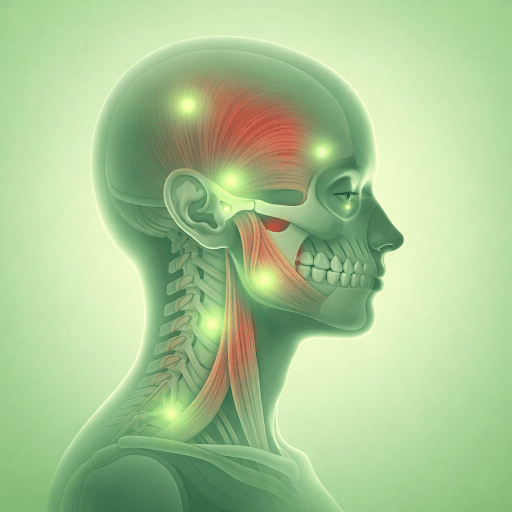
Considering the whole system
Neck and muscle patterns
Posture and daily habits
Breathing and sleep factors
Musculoskeletal relationships
When It May Help
When contributing factors extend beyond the jaw
symptoms involve both jaw and neck or body tension
headaches are associated with jaw and neck symptoms
posture or movement appears to influence symptoms
muscle-related patterns are contributing
symptoms are persistent or have not improved with previous care
Assessment helps determine whether collaboration is appropriate and how it may fit within care.
Treatment Options
Learn about TMJ treatment approaches
Our approach to TMJ care
Whole-body care guided by diagnosis
TMJ symptoms rarely come from the jaw alone. They can involve joint mechanics, muscle tension, bite function, posture, breathing, and sleep. At TMJ Centre Melbourne, care begins with understanding why symptoms are occurring. Treatment decisions follow diagnosis, not symptom labels. Care plans are personalised and often combine approaches, with progress reviewed and adjusted over time.
Diagnosis first
Whole-body assessment
Multidisciplinary care
Staged treatment
Evidence-Informed Care
We use recognised diagnostic frameworks and current literature to help guide assessment and treatment planning where relevant.