
Chronic jaw, face and neck pain
Understanding ongoing pain in your face and jaw
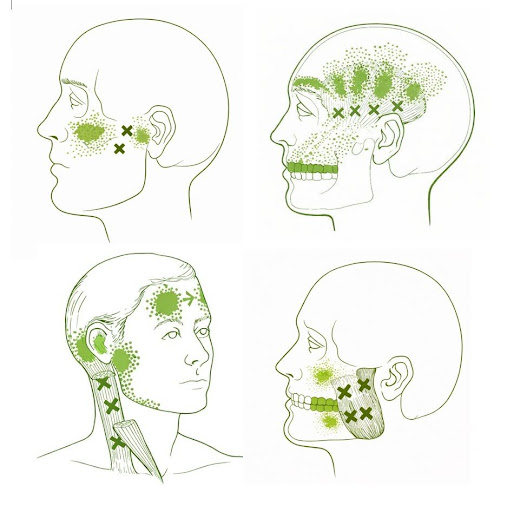
Pain in the jaw, face and neck can feel confusing, especially when symptoms move, spread or occur together. These areas are closely connected through shared muscles, joints and nerve pathways, which is why careful assessment is important.
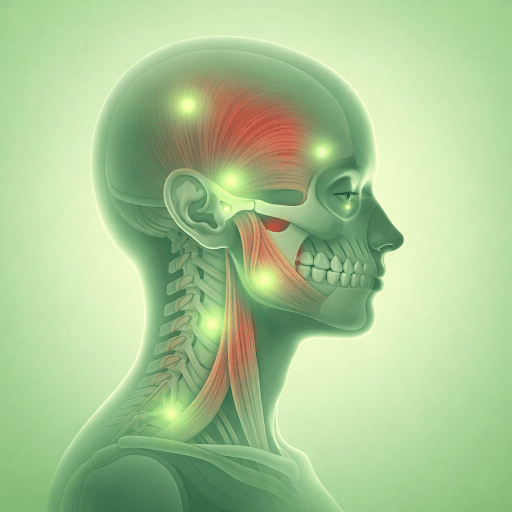
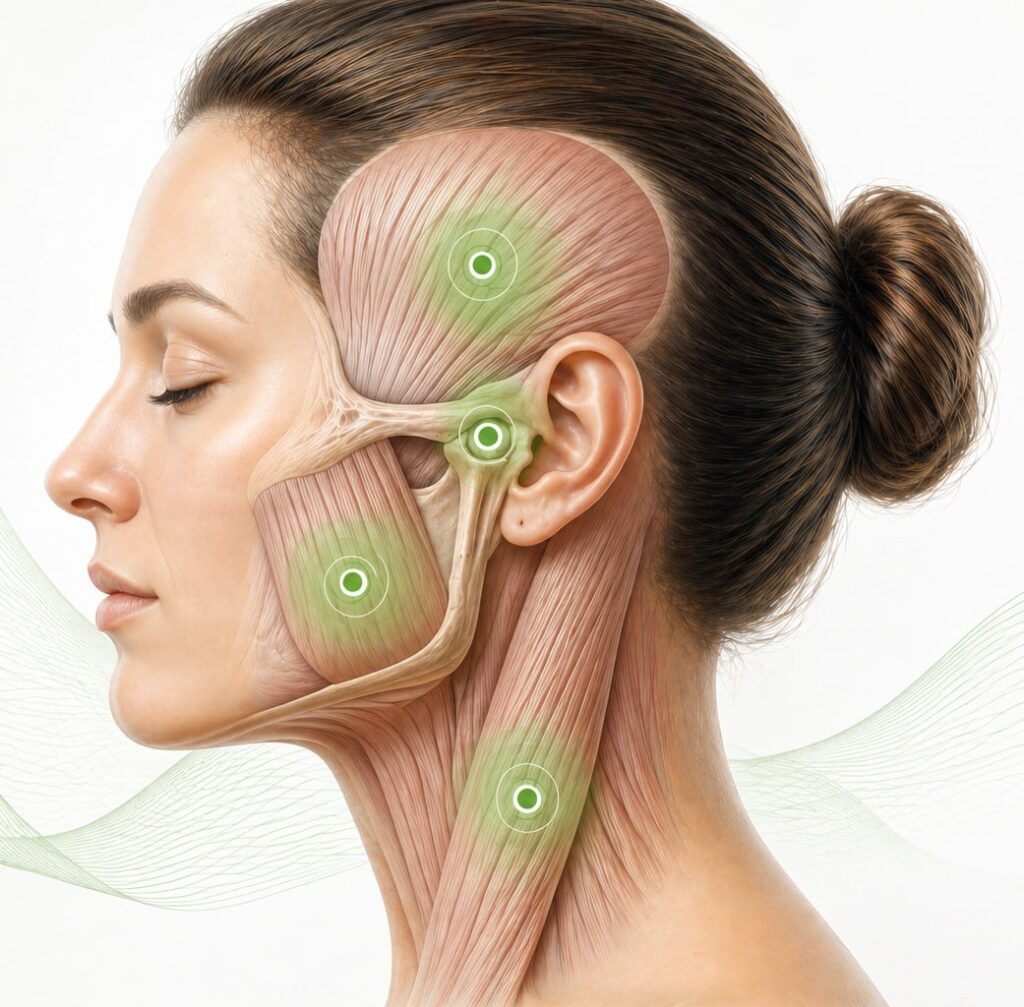
Where it hurts
Pain can appear across connected areas
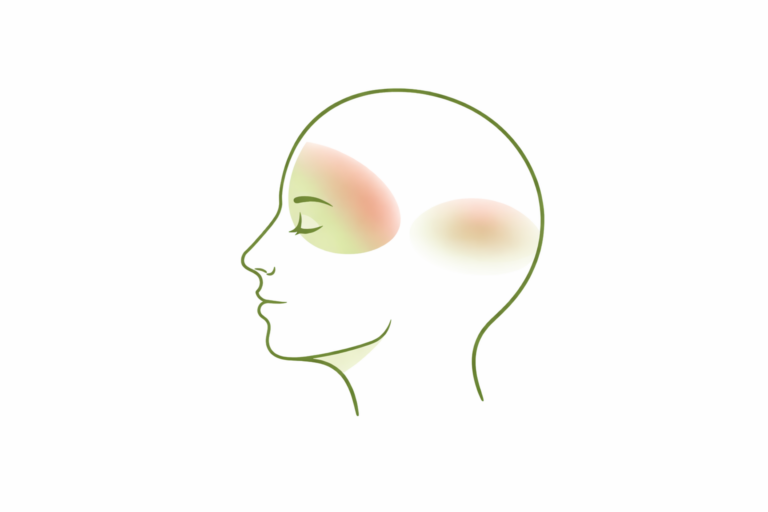
The location of pain does not always show where the problem starts. This can make jaw, face and neck pain feel confusing, especially when symptoms move, spread or change over time.
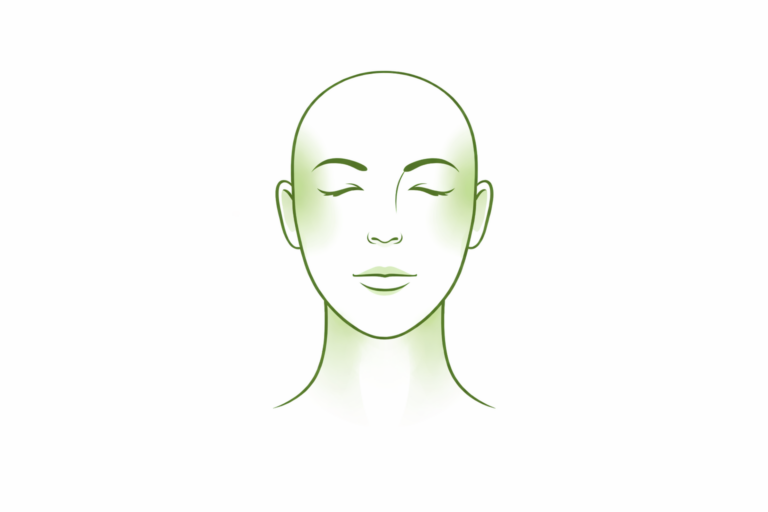
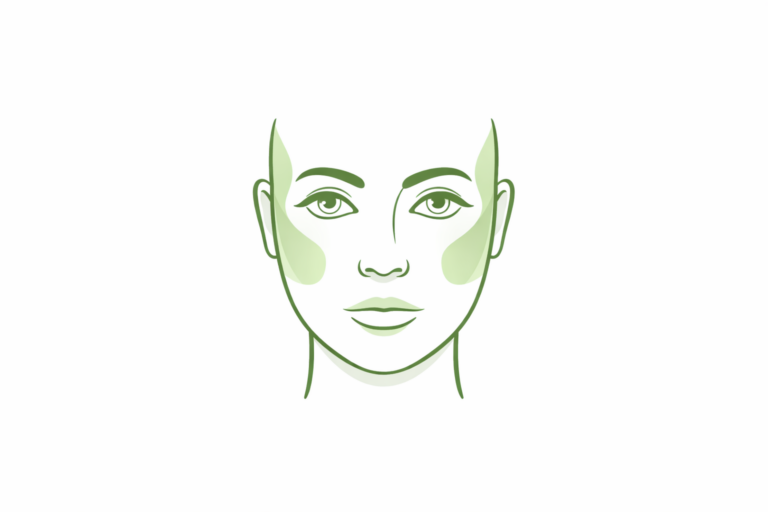
Areas where pain may be felt
- Around the jaw joints
- In the cheeks or temples
- In front of the ears
- Along the sides of the face
- Through the neck or base of the skull
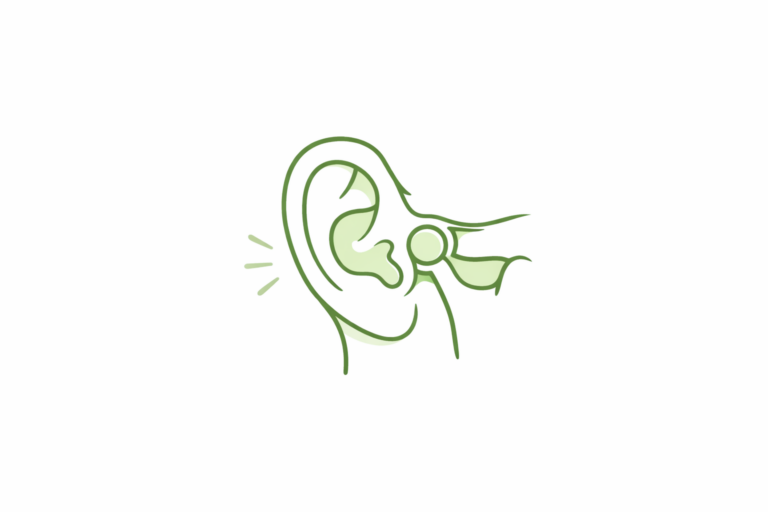
For example, jaw muscle pain may feel like toothache, ear pain or temple pressure. Neck-related pain may also refer into the jaw, face or head.
Symptom patterns
Symptoms often occur together
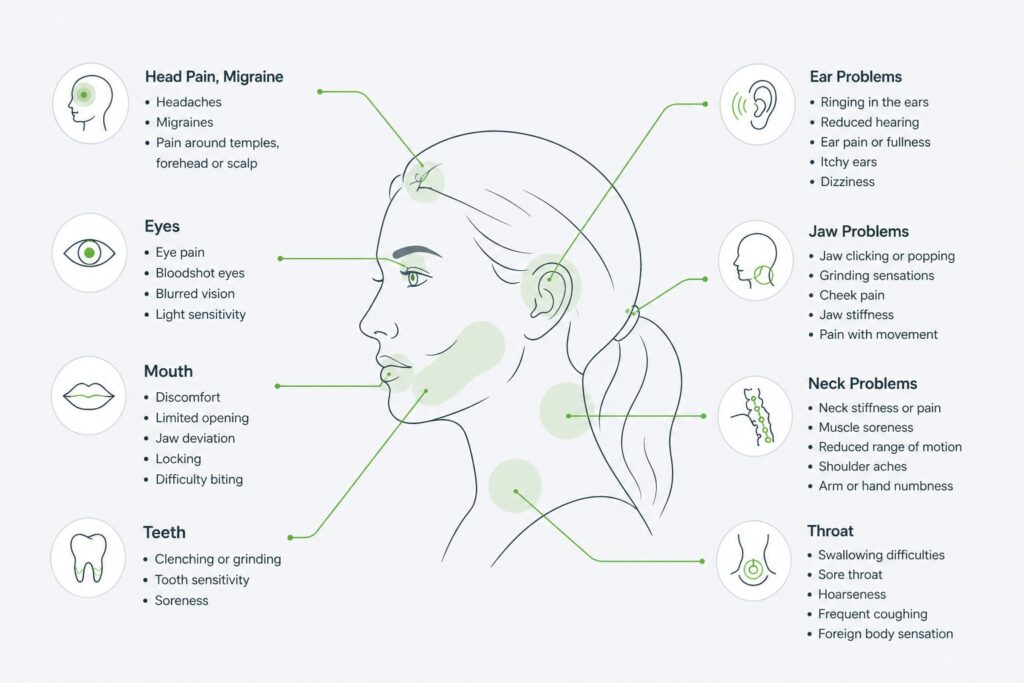
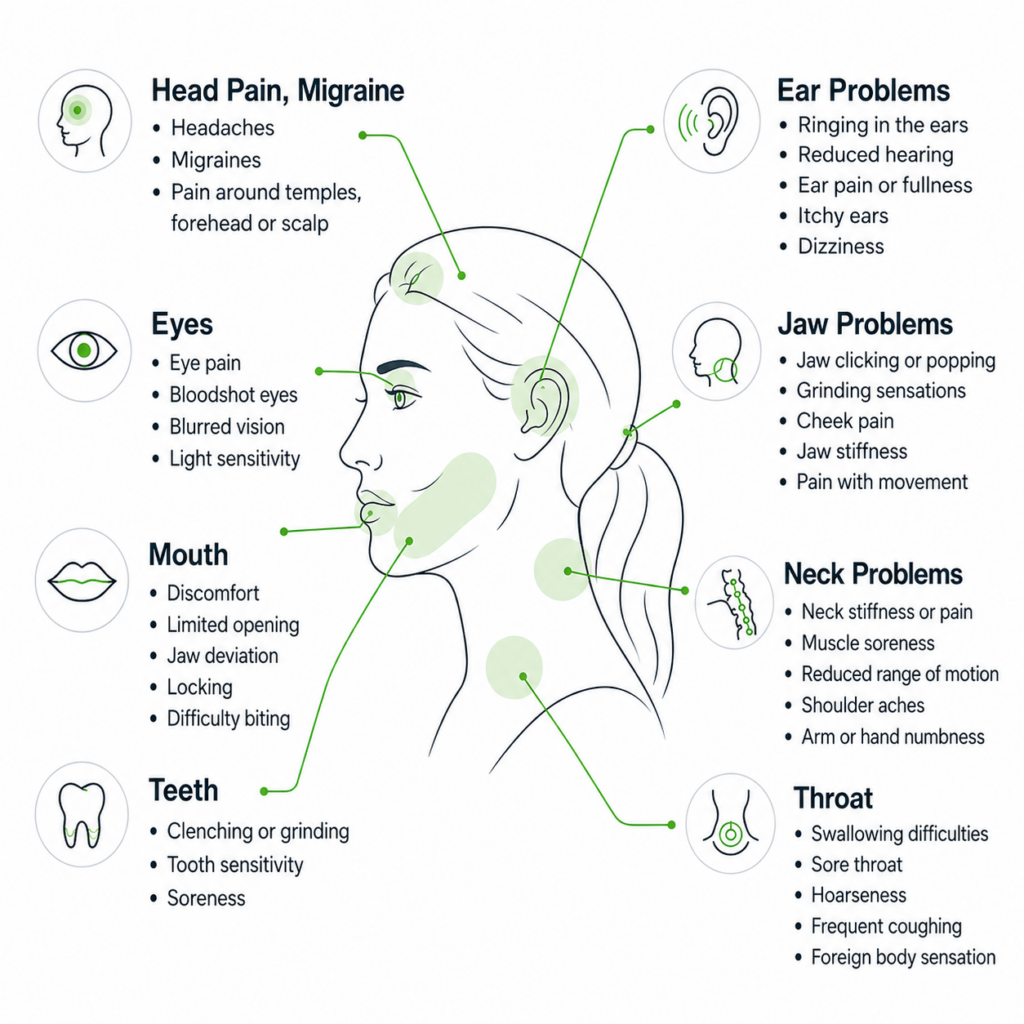
Jaw-related problems rarely present as a single symptom. Many people notice a combination of changes developing over time.
Jaw Pain & Headaches
Muscle Tightness
Facial muscle tension, jaw guarding or neck discomfort that builds during the day
Fatigue with Use
Tiredness, aching or pain when chewing, talking or holding the jaw in one position
Clicking & Stiffness
Clicking, stiffness, restricted opening or changes in jaw movement
Similar symptoms can have very different causes
Two people may describe similar jaw or facial pain but have different contributing factors. Symptoms may relate to muscle overload, joint sensitivity, referred pain, clenching, sleep disruption, neck function or increased pain sensitivity. Therefore may require completely different care. Understanding how your symptoms group together provides useful context — and helps explain why a single treatment approach may not be enough.
Whole-body connections
The jaw doesn't work in isolation
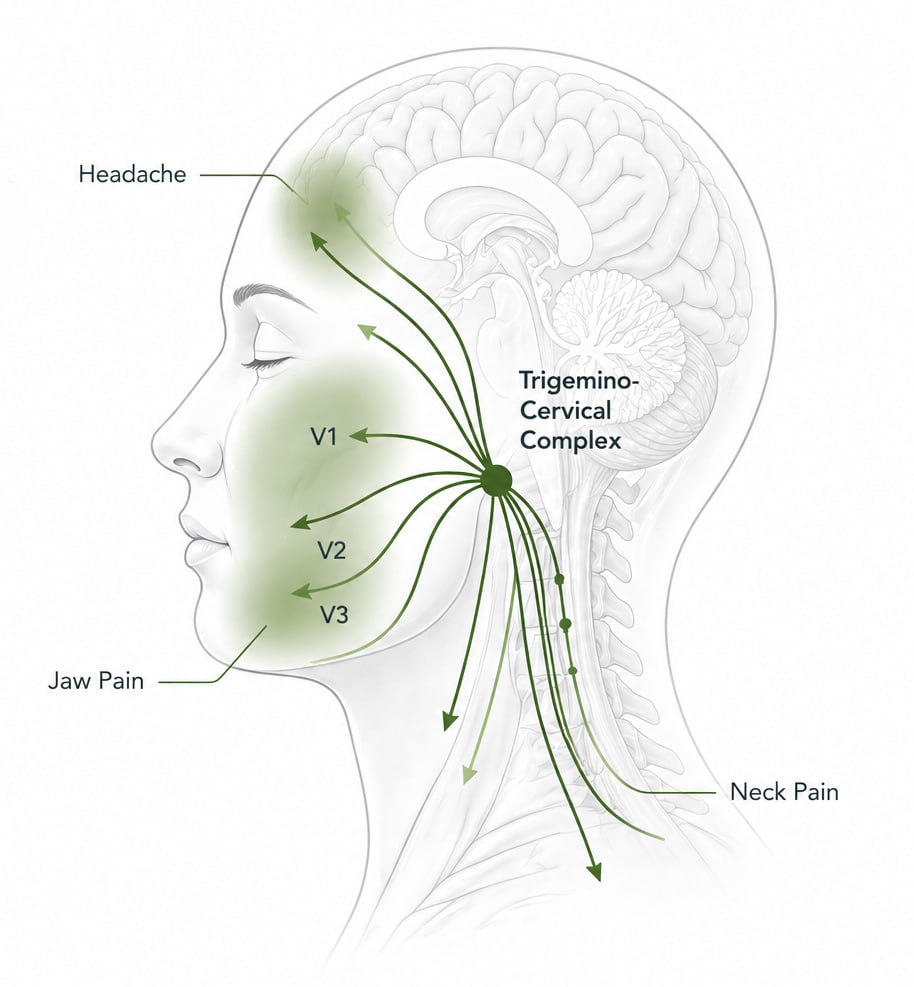
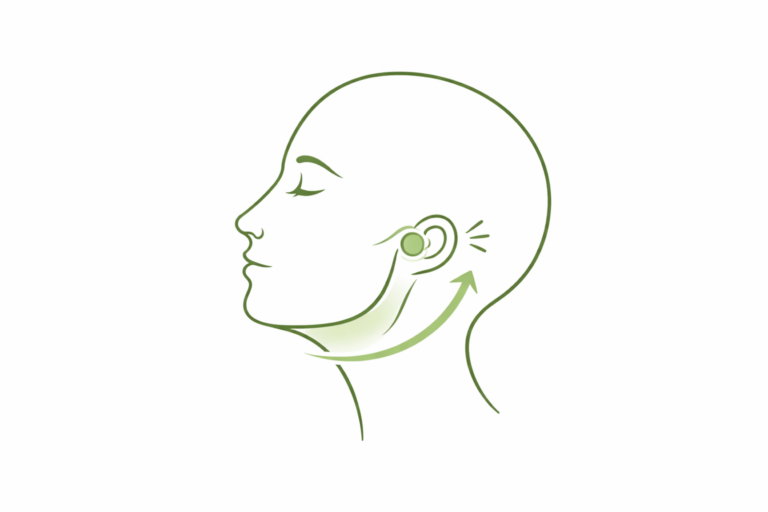
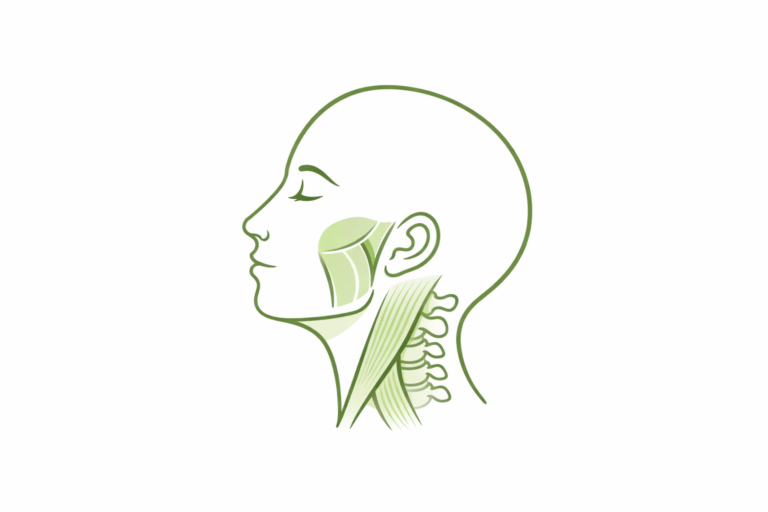
Jaw-related pain is not always caused by the jaw joint alone. The jaw, face, temples, ears and upper neck share overlapping nerve pathways, including the trigeminocervical complex. This can allow pain to be referred between the jaw, head and neck regions.
This helps explain why TMD symptoms may be associated with headaches, ear discomfort, neck pain or facial pain. It also helps explain why jaw symptoms may be influenced by muscle tension, neck function, posture, breathing patterns, sleep quality and nervous system sensitivity.
01
Joint & Muscle Strain
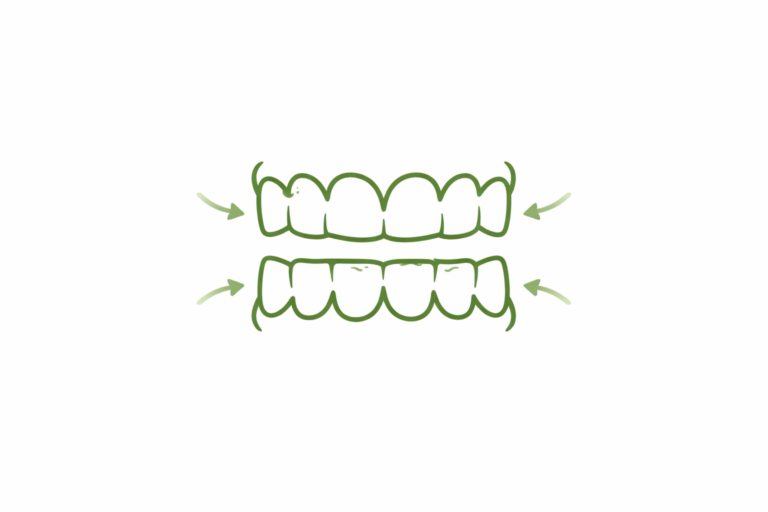
The jaw joints and chewing muscles can become overloaded through clenching, grinding, or repeated use — often without you noticing.
02
Referred Pain
Pain can be felt far from where it begins. Muscles in the jaw or neck can refer pain into the face, temples, or ears.
03
Whole-Body Influences
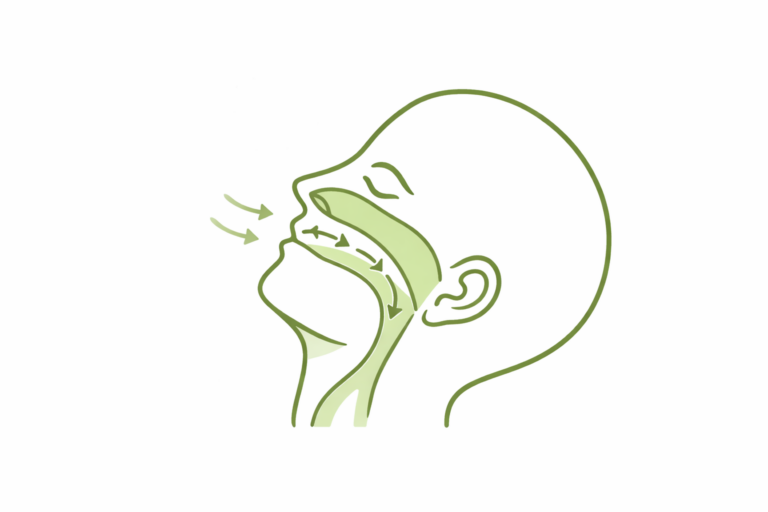
Posture, breathing patterns, sleep quality, and muscle activity all influence how the jaw functions and how pain is experienced.
04
Nerve Connections
The jaw and upper neck share nerve pathways, allowing pain signals to overlap between the jaw, face, head and neck.
How symptoms change
Pain that comes and goes is common
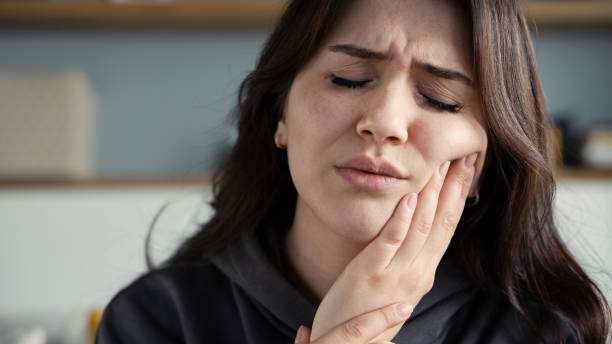
Chronic jaw, face and neck pain does not always remain constant. Symptoms may improve for a period and then flare again. This does not always mean the condition is worsening.
Flare-ups often reflect changes in load, recovery and sensitivity. Stress, poor sleep, prolonged talking, chewing harder foods, neck tension or increased clenching can all influence how symptoms behave.
Changes may be influenced by:
- Stress or fatigue
- Prolonged talking or jaw use
- Chewing tougher foods
- Sleep quality or disrupted recovery
- Physical tension in the head, neck and jaw
- Clenching, bracing or grinding patterns
Understanding these patterns helps identify what may be contributing and which changes may support recovery.
How we help
Care guided by your diagnosis
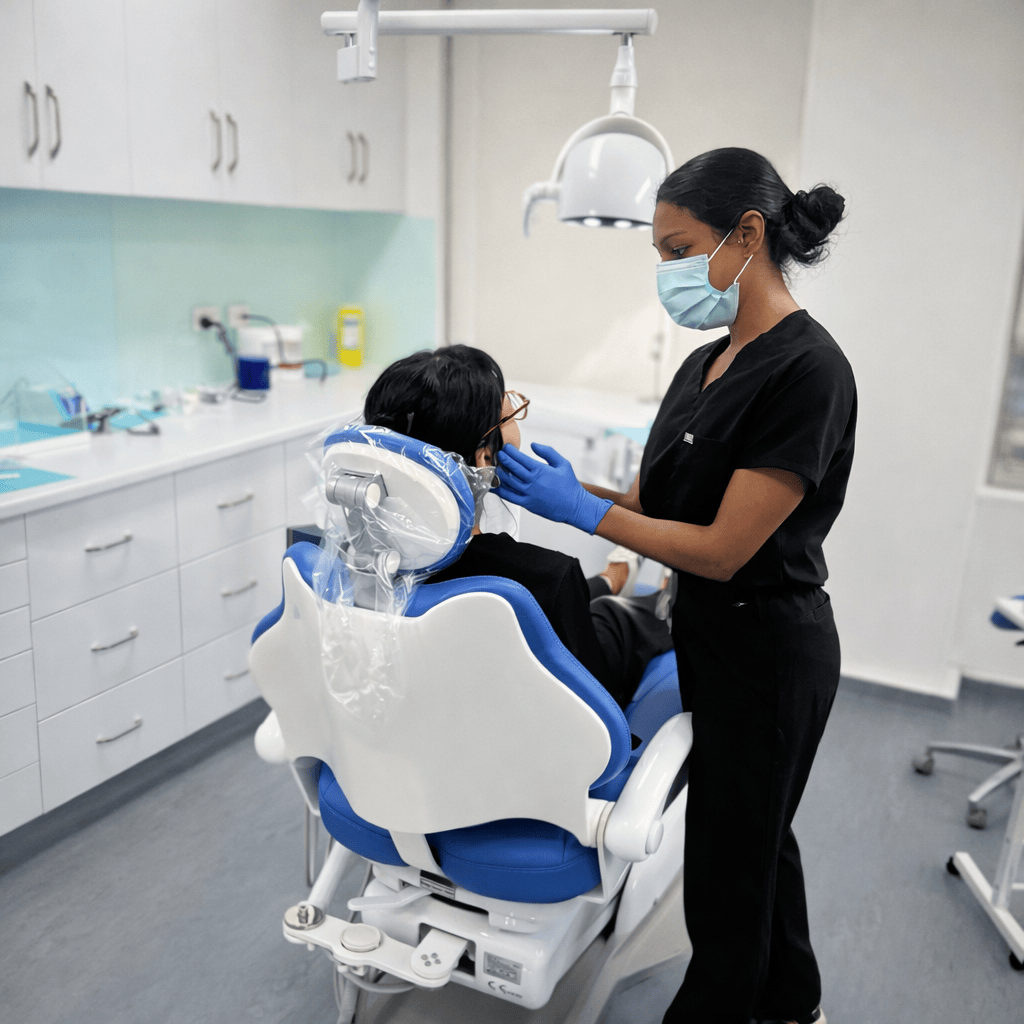
People with similar pain may require entirely different approaches. TMJ Treatment is tailored to your contributing factors and how your jaw is functioning.
When to seek an assessment
Symptoms persist for several weeks
Pain returns frequently
Difficulty eating, speaking, or daily function
Symptoms alongside headaches or neck pain
Jaw stiffness, locking, or restricted movement
Feel unclear, especially as symptoms change over time
Treatment Options
Learn about TMJ treatment approaches
Our approach to TMJ care
Whole-body care guided by diagnosis
TMJ symptoms rarely come from the jaw alone. They can involve joint mechanics, muscle tension, bite function, posture, breathing, and sleep. At TMJ Centre Melbourne, care begins with understanding why symptoms are occurring. Treatment decisions follow diagnosis, not symptom labels. Care plans are personalised and often combine approaches, with progress reviewed and adjusted over time.
Diagnosis first
Whole-body assessment
Multidisciplinary care
Staged treatment
Evidence-Informed Care
We use recognised diagnostic frameworks and current literature to help guide assessment and treatment planning where relevant.