
TMJ disorders and jaw pain
Understanding jaw pain and dysfunction
Temporomandibular disorders, usually shortened to TMD, are a group of conditions affecting the jaw joints and chewing muscles. They can cause jaw pain, tightness, clicking, locking, headaches, ear discomfort or difficulty opening the mouth.
For many people, jaw pain does not follow a simple pattern. Symptoms may come and go, shift between areas, or be felt in the jaw, face, temples, ears, teeth, head or neck.
Because similar symptoms can have different causes, diagnosis is important. Understanding whether symptoms are muscle-related, joint-related, referred from another region, or influenced by clenching, sleep, stress or neck function is the first step toward appropriate treatment.
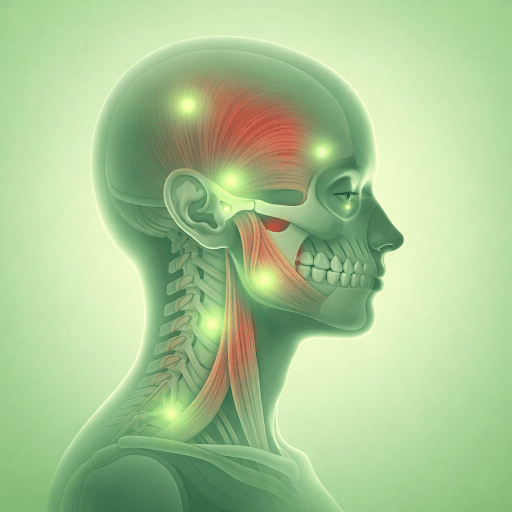
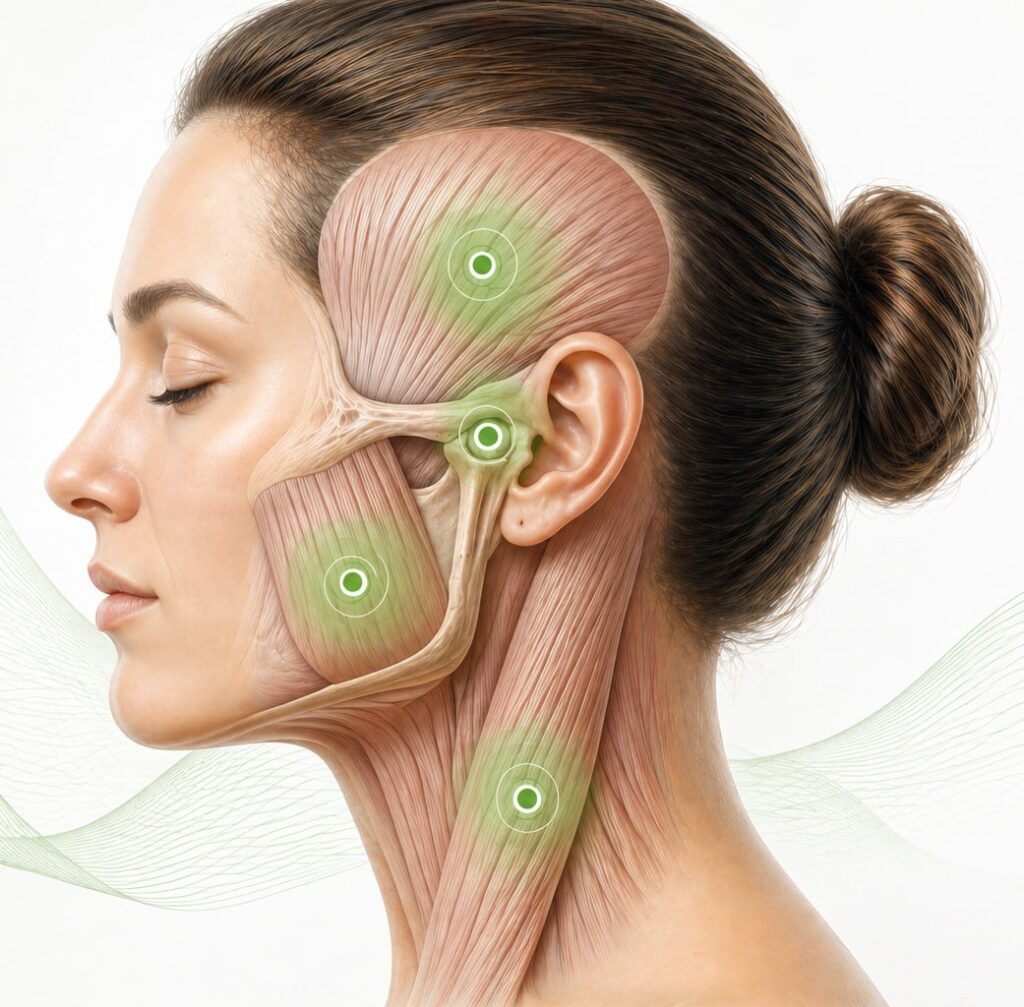
Where it may be felt
Pain can appear across connected areas
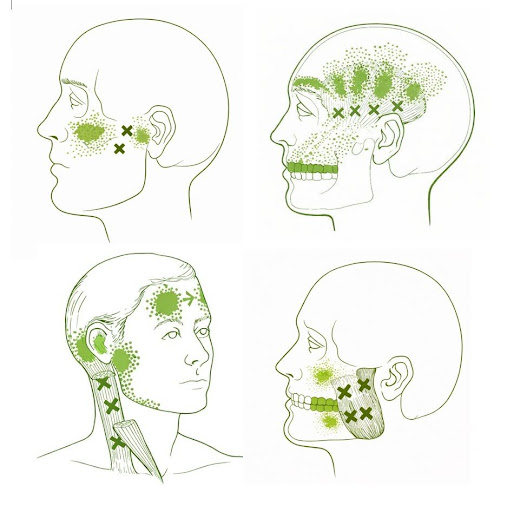
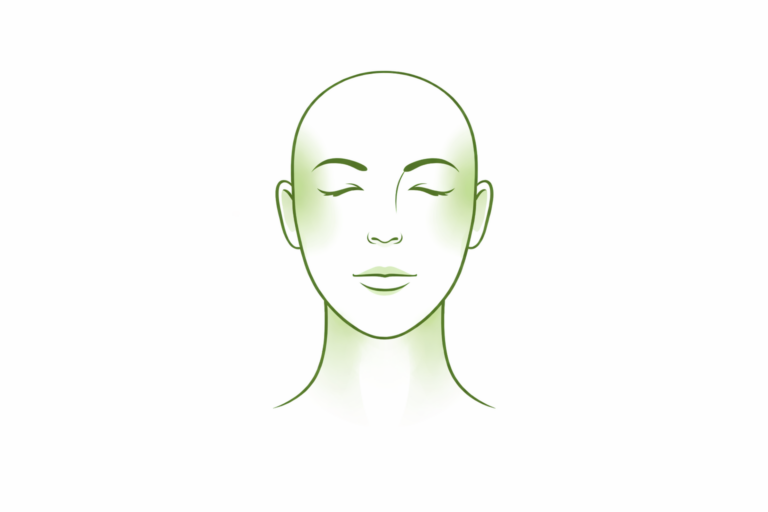
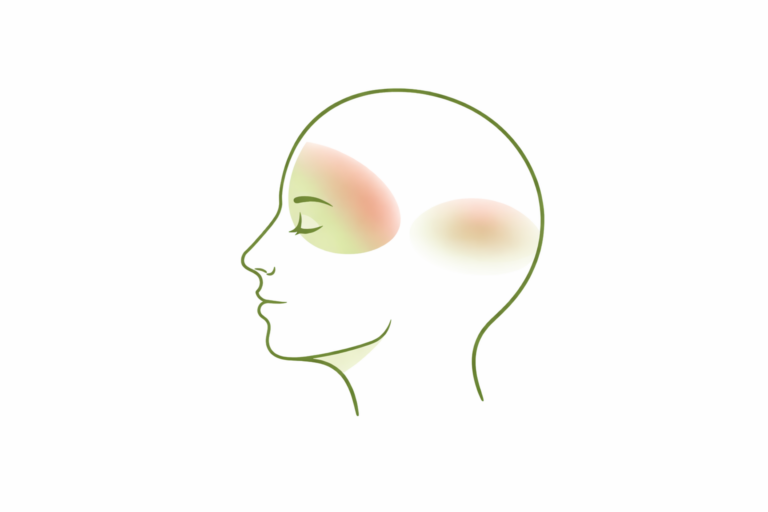
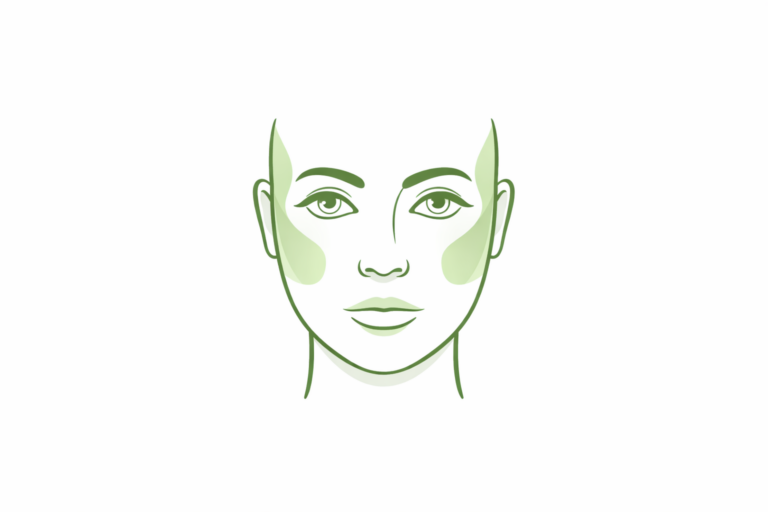
Jaw-related pain is not always felt only in the jaw. Because the jaw joints, chewing muscles, teeth, ears, temples and upper neck share overlapping nerve pathways, pain may be felt across several connected areas.
Common areas where pain may be felt
- Around the jaw joints
- In the cheeks or temples
- In front of the ears
- Along the sides of the face
- Through the neck or base of the skull
Symptom patterns
Symptoms often occur together
TMD may cause more than one symptom at the same time. Many patients notice a combination of jaw pain, clicking, tightness, headaches, ear pressure, facial pain or changes in jaw movement. Common ways symptoms may present:
Similar symptoms can have very different causes
Similar symptoms can arise from different underlying causes. For example, jaw pain may relate to muscle overload, joint irritation, disc-related changes, clenching or grinding, referred pain, or increased pain sensitivity.
This is why TMJ treatment should be guided by assessment rather than by symptoms alone. A clicking jaw, painful jaw, tight jaw or locked jaw may each require a different approach depending on the diagnosis and contributing factors.
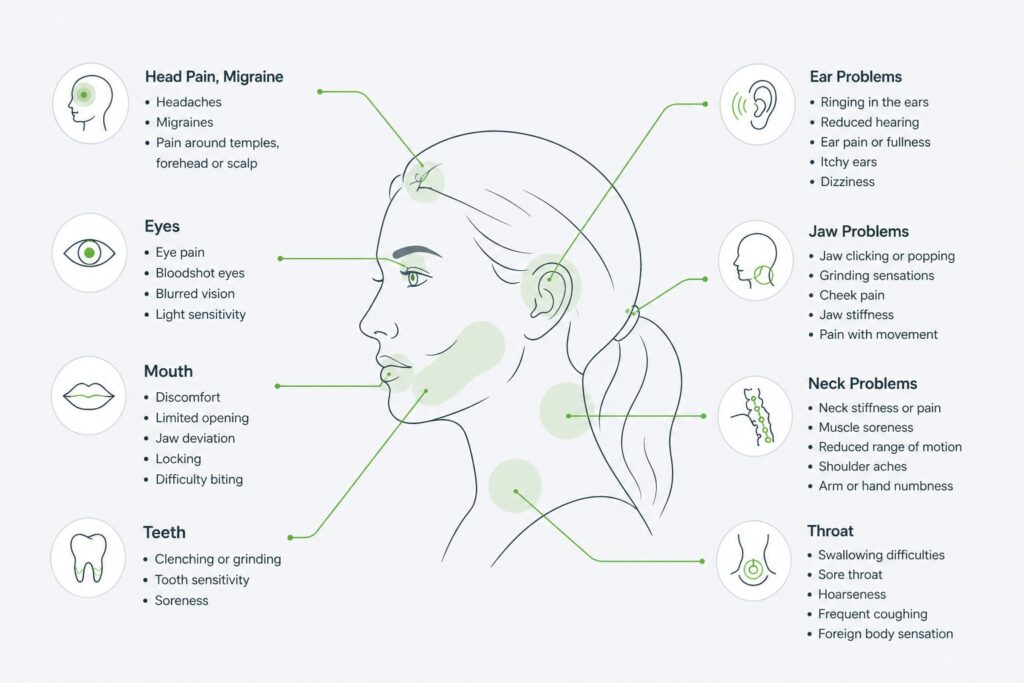
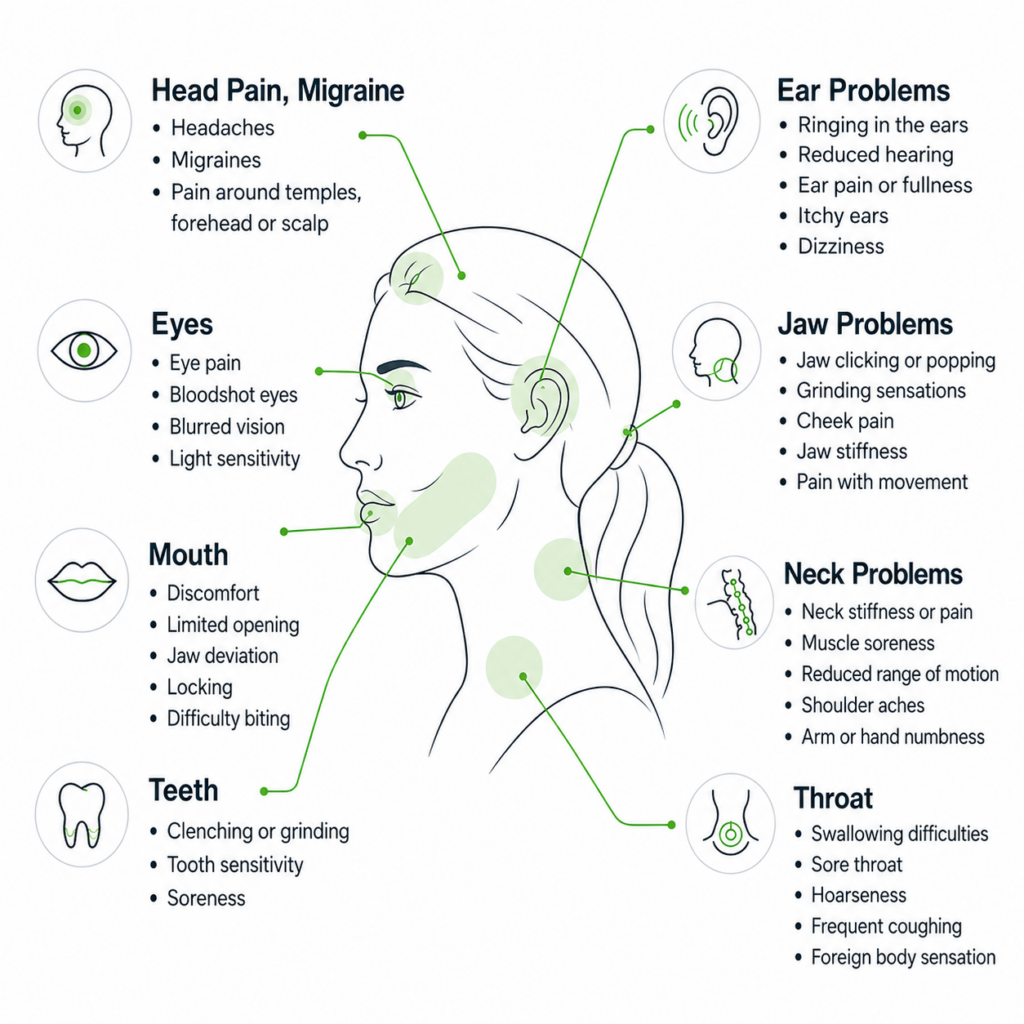
Jaw pain at rest or with use
Joint sounds
Headaches linked to jaw tension
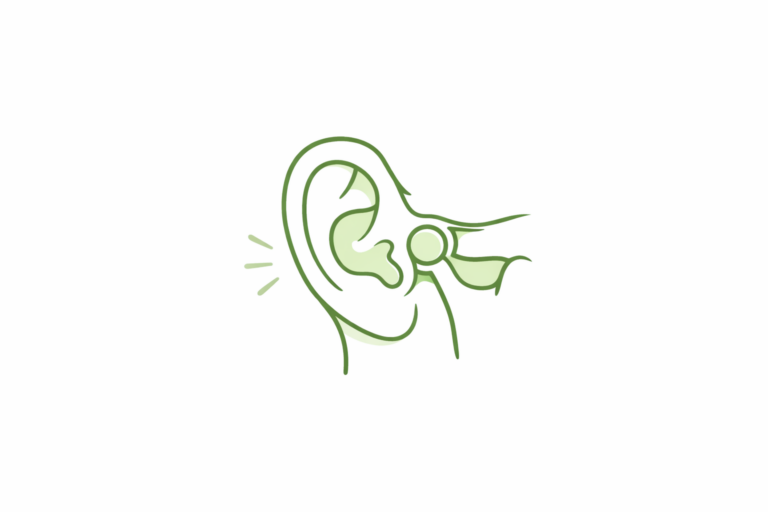
Ear-related symptoms
Neck and shoulder tension
Tightness or discomfort extending beyond the jaw
Whole-body connections
The jaw functions as part of a wider system
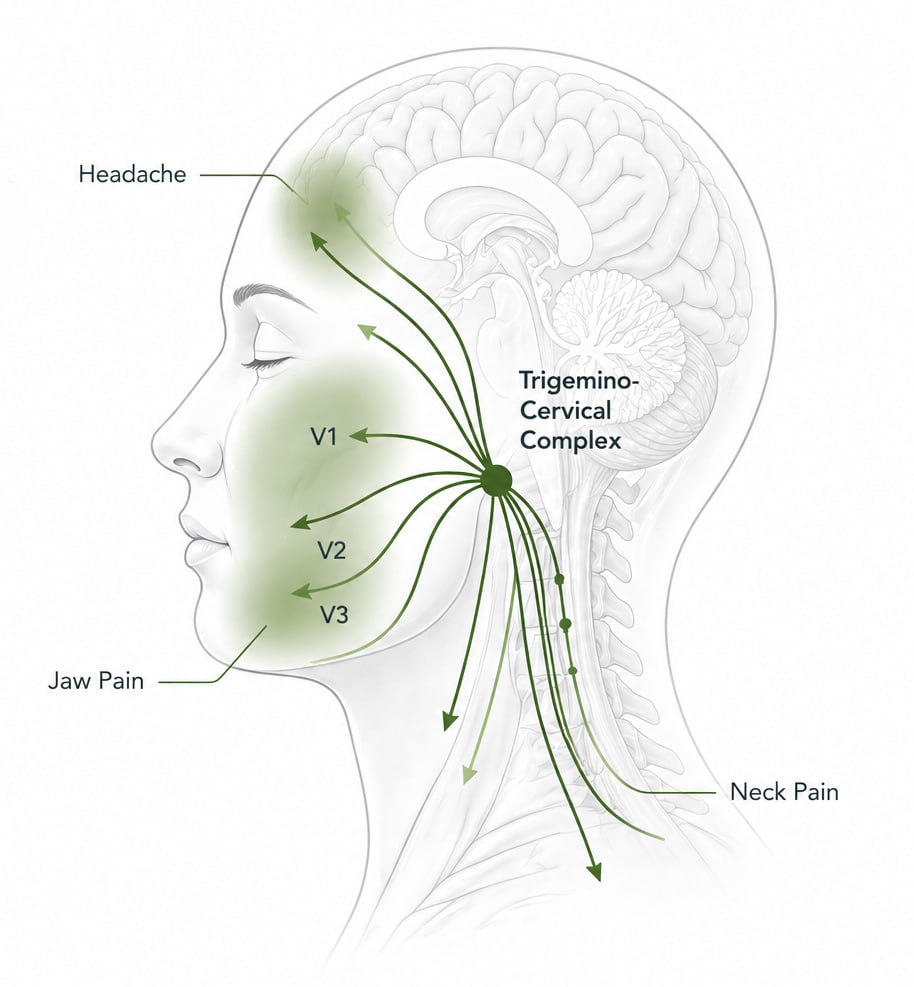
The jaw functions as part of a wider head, neck and nervous system. Pain felt in the jaw, face, temples or ears may sometimes originate from the jaw itself, but it may also be referred from nearby muscles, joints or nerve pathways.
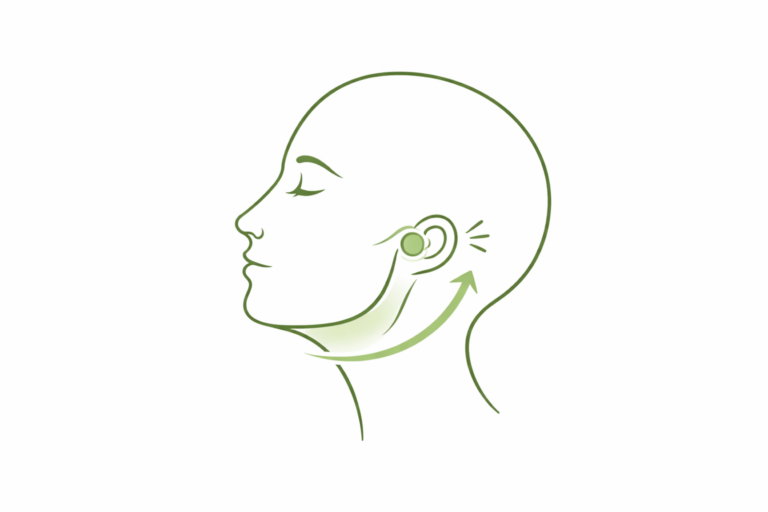
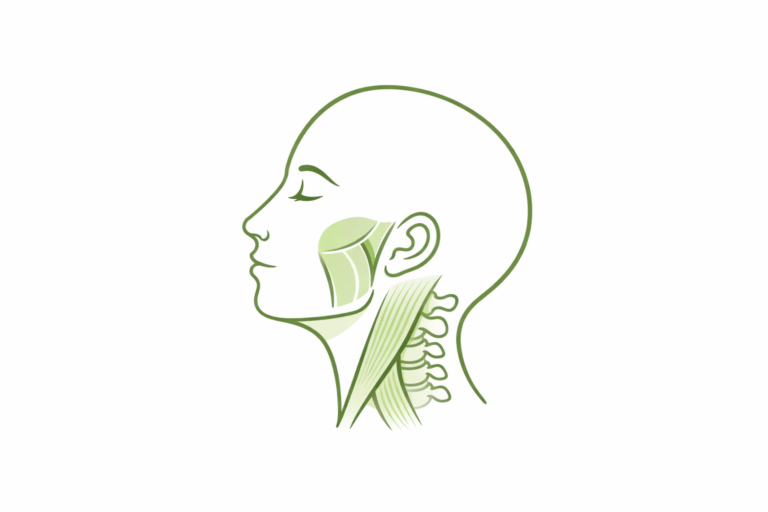
The jaw and upper neck share overlapping nerve connections, including the trigeminocervical complex. This helps explain why jaw disorders may be associated with headaches, temple pain, ear discomfort or neck symptoms.
In persistent cases, the nervous system may also become more sensitive over time. This means symptoms can feel more intense, spread more easily, or persist even when the original tissue strain is not severe.
Understanding these connections helps explain why a diagnosis-led approach is important, especially when symptoms involve the jaw, head, neck, ear region or broader pain sensitivity.
01
Joint & Muscle Strain
02
Referred Pain
03
Whole-Body Influences
04
Nerve Connections
Why symptoms develop
TMJ disorders are usually multi-factorial
These may include:
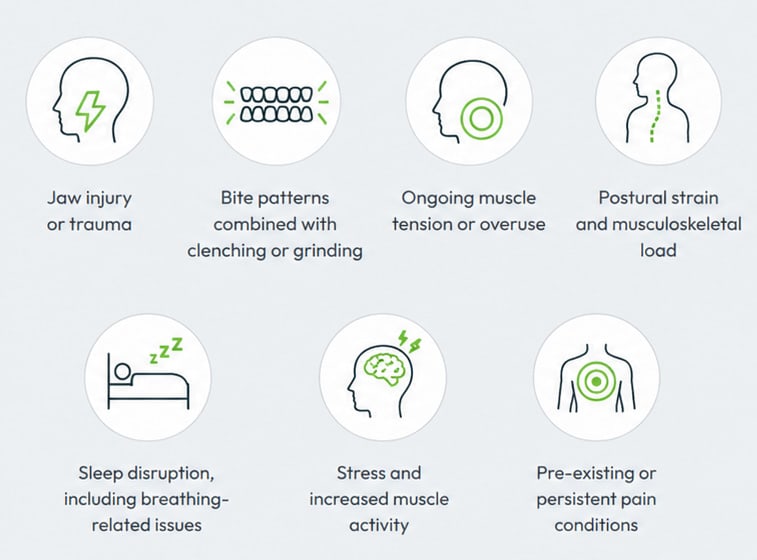
TMJ disorders are typically influenced by several contributing factors interacting over time. These may include:
- Jaw injury or trauma
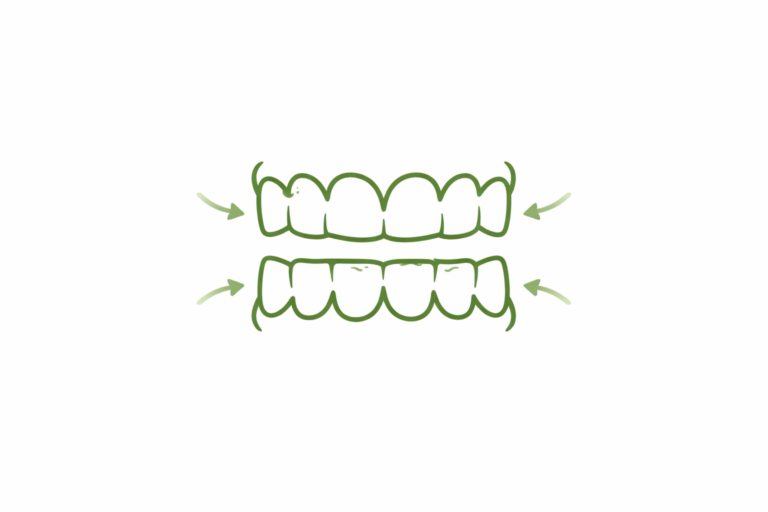
- increased jaw muscle activity, including clenching or grinding
- joint loading, inflammation or degenerative change
- disc-related changes within the jaw joint
- sustained tooth contact, jaw bracing or awake bruxism
- neck function, posture or musculoskeletal loading
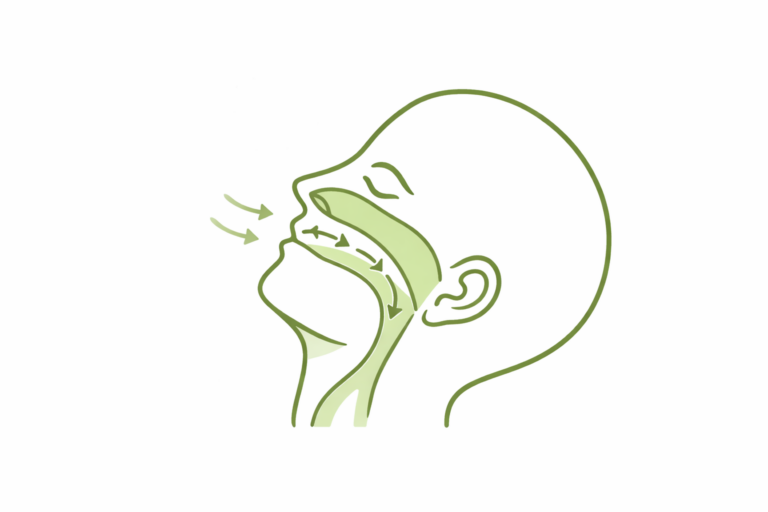
- sleep disruption or breathing-related factors
- stress physiology and increased muscle guarding
- persistent pain conditions or increased nervous system sensitivity
These factors influence both how the jaw functions and how symptoms are experienced.
How we approach care
Diagnosis guides treatment
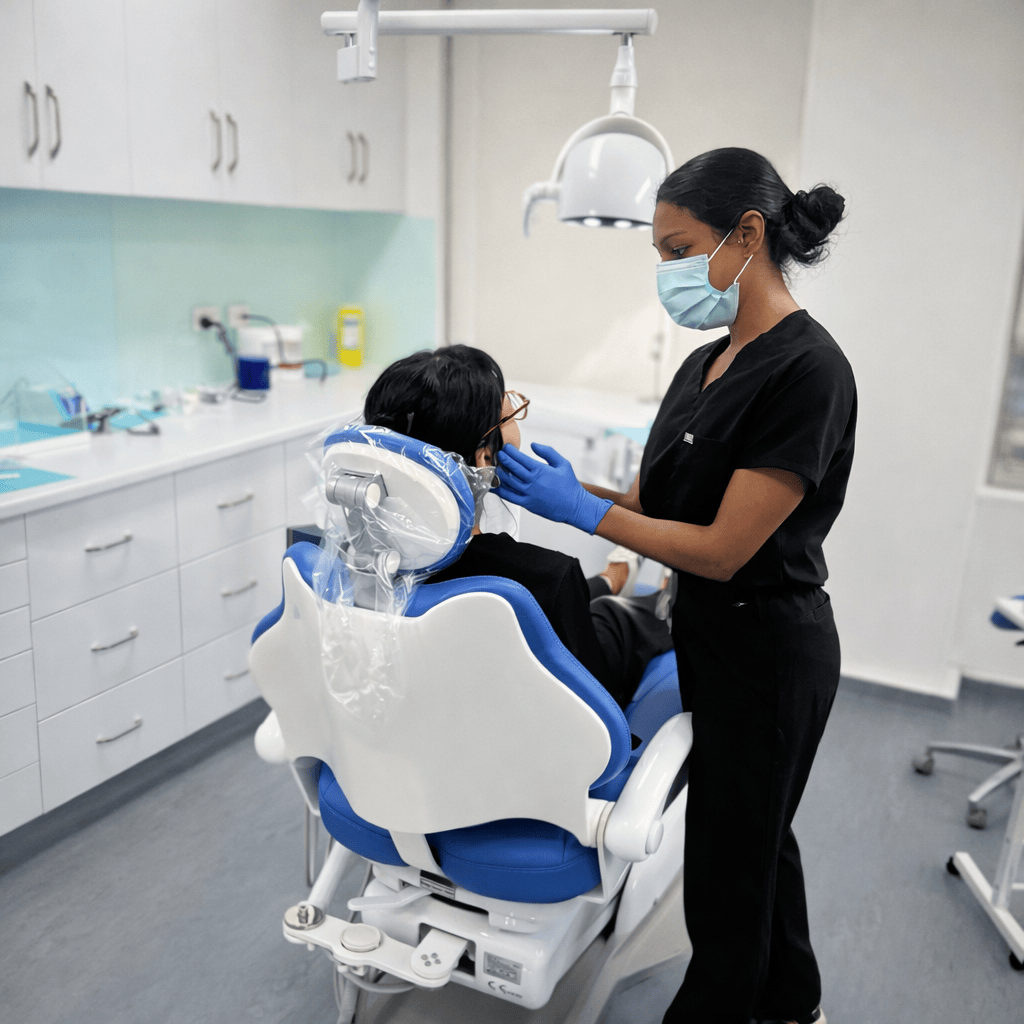
A symptom alone does not explain what is driving it. Assessment focuses on identifying what is contributing to your symptoms, not just where the pain is felt.
This may include understanding:
- How the jaw is functioning
- Which structures are involved
- How symptoms change over time
- What contributing factors are present
Treatment is based on this understanding. Care is introduced in stages and often involves a combination of approaches. Where appropriate, this may include collaboration with other healthcare providers.
When to seek an assessment
Symptoms persist for several weeks
Pain returns frequently
Difficulty eating, speaking, or daily function
Symptoms alongside headaches or neck pain
Jaw stiffness, locking, or restricted movement
Previous treatments have not provided lasting improvement
Understanding what may be contributing to symptoms provides clarity and direction.
Treatment Options
Learn about TMJ treatment approaches
Our approach to TMJ care
Whole-body care guided by diagnosis
TMJ symptoms rarely come from the jaw alone. They can involve joint mechanics, muscle tension, bite function, posture, breathing, and sleep. At TMJ Centre Melbourne, care begins with understanding why symptoms are occurring. Treatment decisions follow diagnosis, not symptom labels. Care plans are personalised and often combine approaches, with progress reviewed and adjusted over time.
Diagnosis first
Whole-body assessment
Multidisciplinary care
Staged treatment
Evidence-Informed Care
We use recognised diagnostic frameworks and current literature to help guide assessment and treatment planning where relevant.