
Orthotics and splint therapy
Supporting how the jaw works
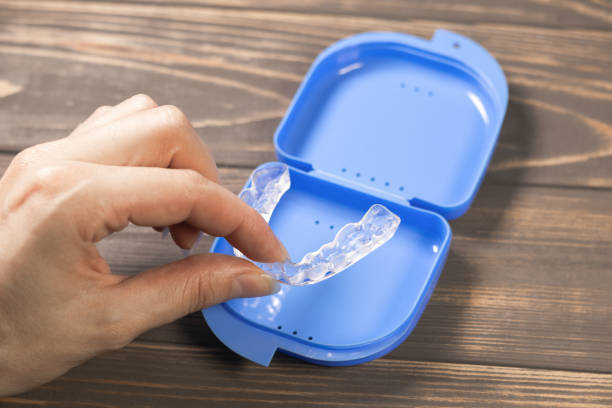
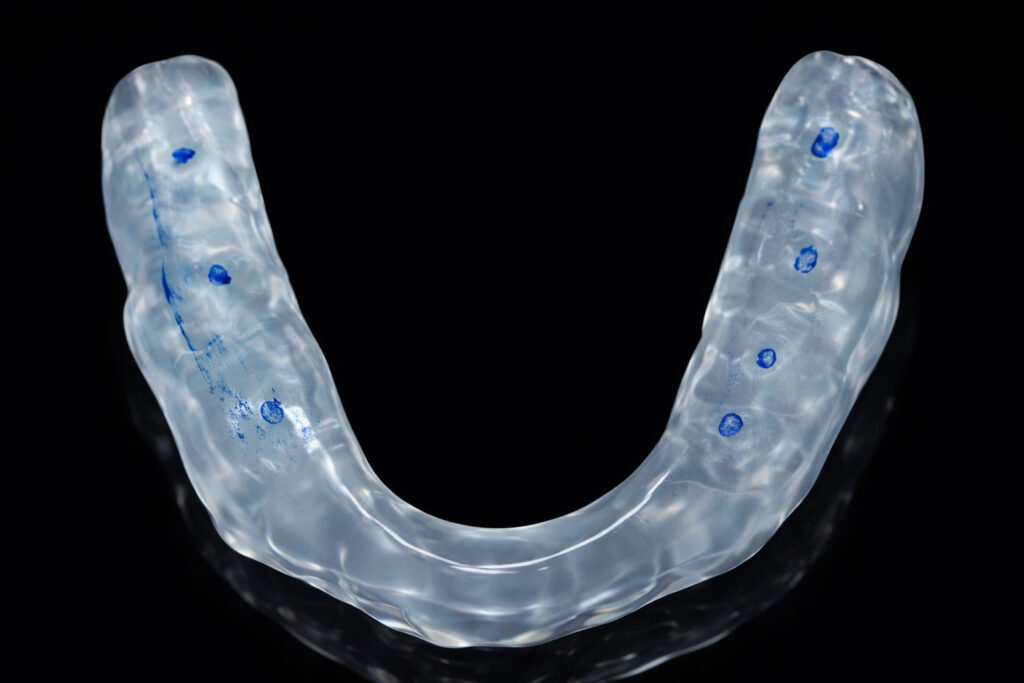
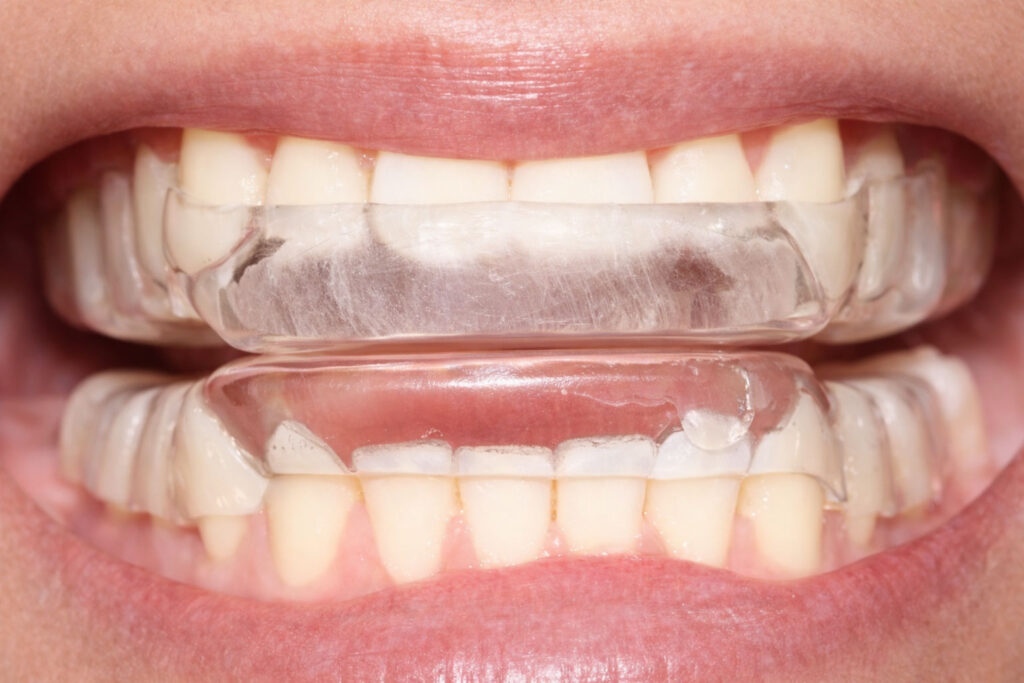
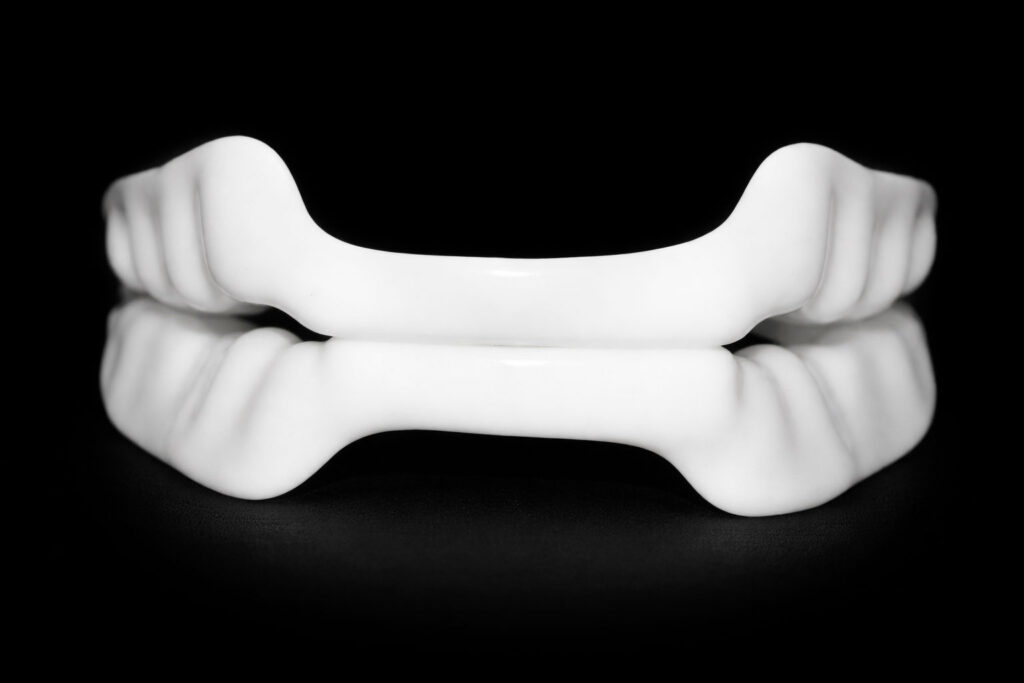
Orthotics and splints are custom-made appliances worn over the teeth and used in selected TMD presentations. Although terms such as “TMJ splint,” “night guard” and “oral orthotic” are often used interchangeably, these appliances can differ in their purpose, design and wearing schedule.
A TMJ orthotic is prescribed according to the findings from your assessment. It may be considered when joint loading, muscle overactivity, bruxism-related overload, bite force distribution or jaw position appears to be contributing to symptoms.
What this treatment is
Why orthotic design matters
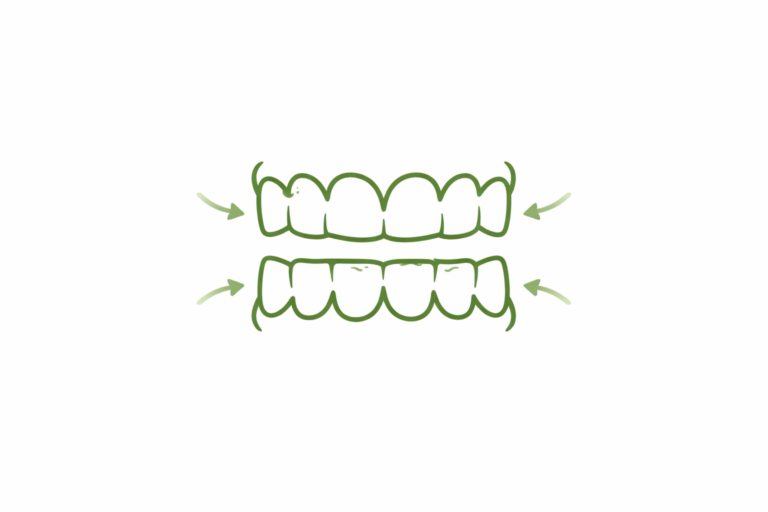
A basic night guard is primarily designed to protect the teeth from grinding. A TMJ orthotic is prescribed according to the jaw problem identified during your assessment.
Depending on your symptoms and examination findings, the appliance may be designed to:
- provide a more stable surface for the teeth to meet;
- distribute pressure more evenly across the teeth and jaw joints;
- reduce strain on painful or overworked chewing muscles; or
- support more comfortable and controlled jaw movement.
The most appropriate design and wearing schedule will vary. Someone with morning muscle pain related to clenching may require a different approach from someone experiencing joint pain, locking or symptoms that increase throughout the day.
By reducing strain and irritation within the jaw system, an orthotic can create a more supportive environment for painful muscles and joints to settle over time.
Review appointments are an important part of treatment. The fit, comfort and tooth contacts are checked and adjusted as the jaw responds, so an orthotic should not be treated as a “set and forget” appliance.
Why it may be used
Recommended only when assessment aligns
Orthotic therapy may be considered when assessment identifies strain affecting the jaw system. Similar symptoms can arise from different causes.
01
Joint loading — how forces are being distributed through the jaw joints during function
02
Muscle overactivity — tension or fatigue in the chewing muscles contributing to symptoms
03
Bite force distribution — uneven loading patterns across teeth and joints
04
Bruxism-related overload — clenching or grinding patterns that place ongoing strain on the jaw system
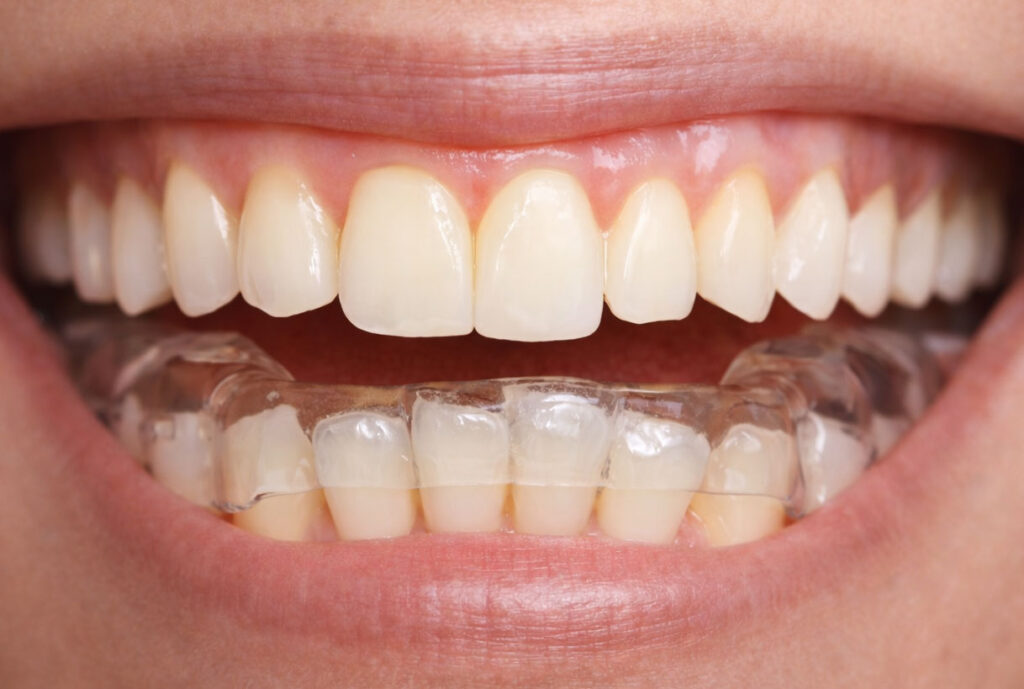
"An orthotic is recommended only when your assessment shows that it is likely to be helpful"
Similar symptoms can have very different underlying causes. An orthotic is not always the right tool — its use is guided entirely by what the assessment reveals about how your jaw is functioning.
Tailored design
Orthotics are not one-size-fits-all
Two people with similar symptoms may require completely different designs. The design is selected according to the type of problem being treated, rather than the symptom alone
Design may consider:
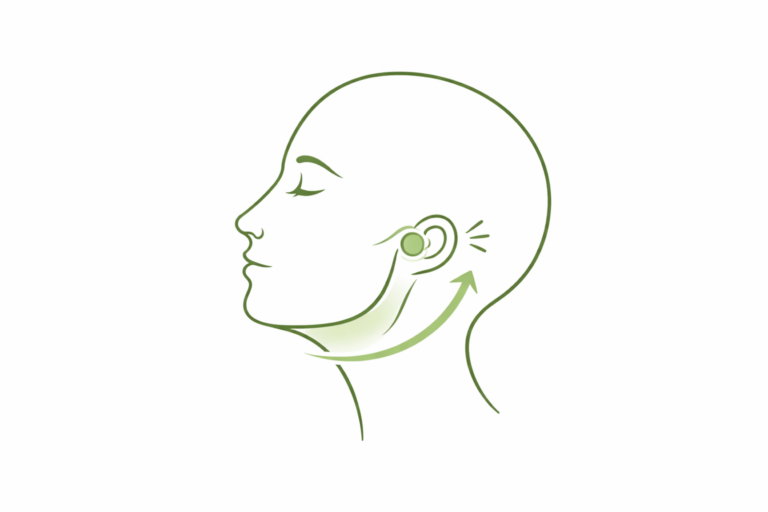
Jaw Joint Position
Muscle Activity Patterns
How Teeth Meet
Movement Patterns
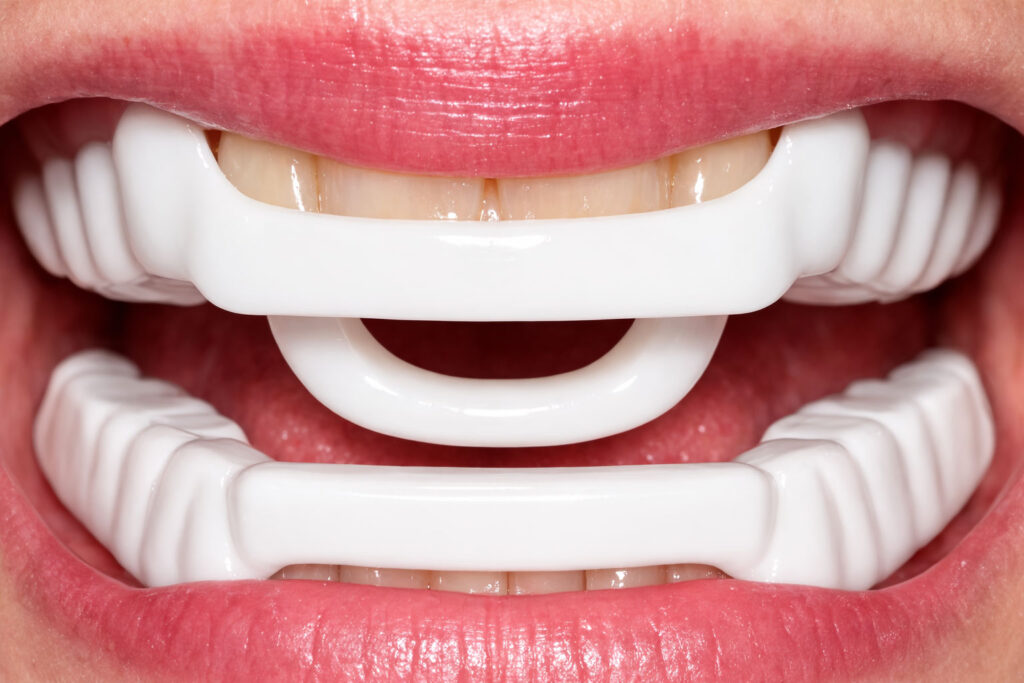
Depending on assessment findings, different appliance designs may be considered.
- Stabilisation orthotics to help reduce muscle strain and distribute bite forces more evenly
- Repositioning orthotics used in selected cases to support joint mechanics
- Appliances designed to protect teeth during clenching or grinding
- Mandibular advancement appliances where airway or sleep-related factors are involved
Each design has a different purpose and is selected based on how the jaw system is functioning.
Part of a broader plan
One part of a complete approach
Jaw symptoms often involve multiple contributing factors. Orthotics are not a standalone solution — they are used where they support the overall plan.
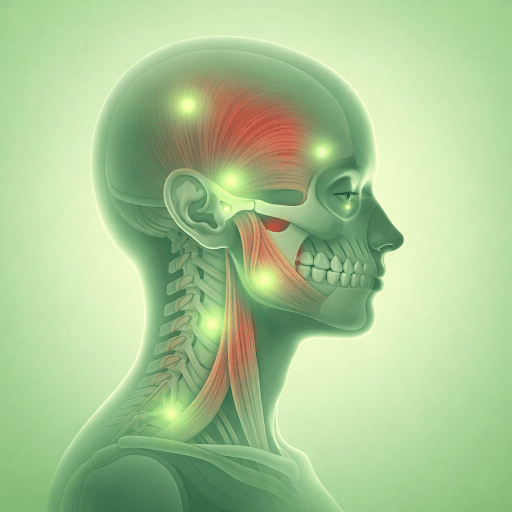
Considering the whole system
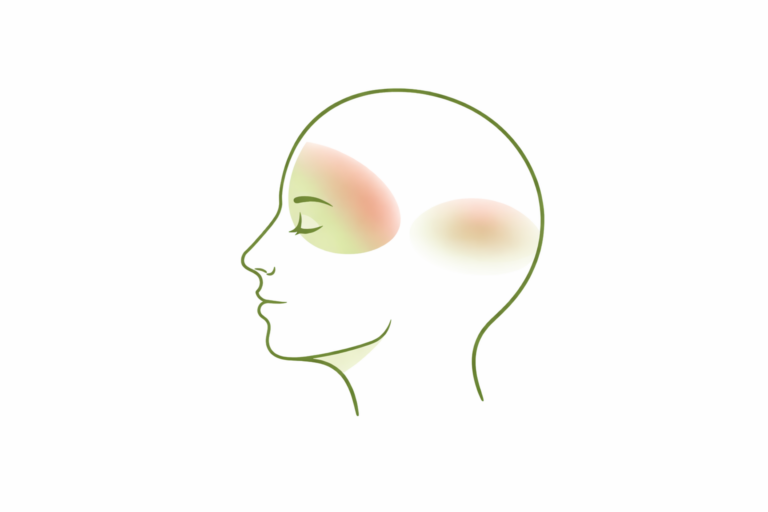
Neck and muscle patterns
Posture and daily habits
Breathing and sleep factors
Dental and musculoskeletal alignment
When It May Help
Who may benefit from orthotic therapy?
Orthotic therapy may be discussed if assessment identifies strain affecting the jaw system.
Symptoms are ongoing or recurring
Muscle tension or joint discomfort is present
Clenching or grinding is contributing
Previous approaches have not addressed the full picture
Assessment helps determine whether orthotics are appropriate and how they may fit into care.
Treatment Options
Learn about TMJ treatment approaches
Our approach to TMJ care
Whole-body care guided by diagnosis
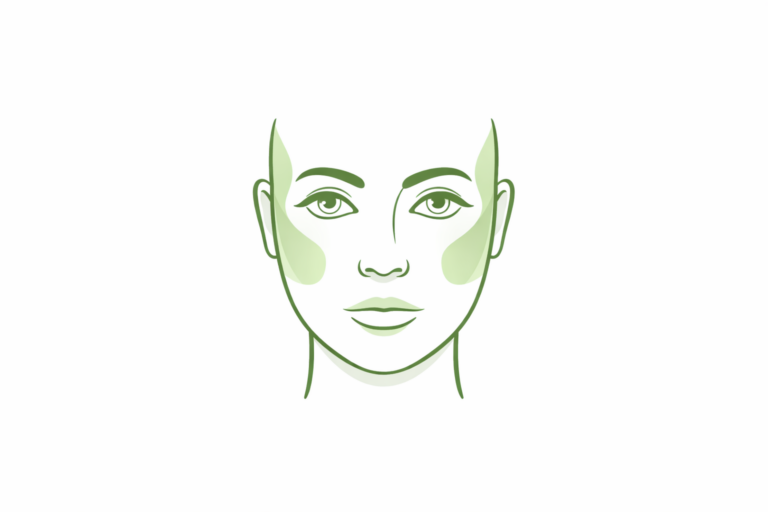
TMJ symptoms rarely come from the jaw alone. They can involve joint mechanics, muscle tension, bite function, posture, breathing, and sleep. At TMJ Centre Melbourne, care begins with understanding why symptoms are occurring. Treatment decisions follow diagnosis, not symptom labels. Care plans are personalised and often combine approaches, with progress reviewed and adjusted over time.
Diagnosis first
Whole-body assessment
Multidisciplinary care
Staged treatment
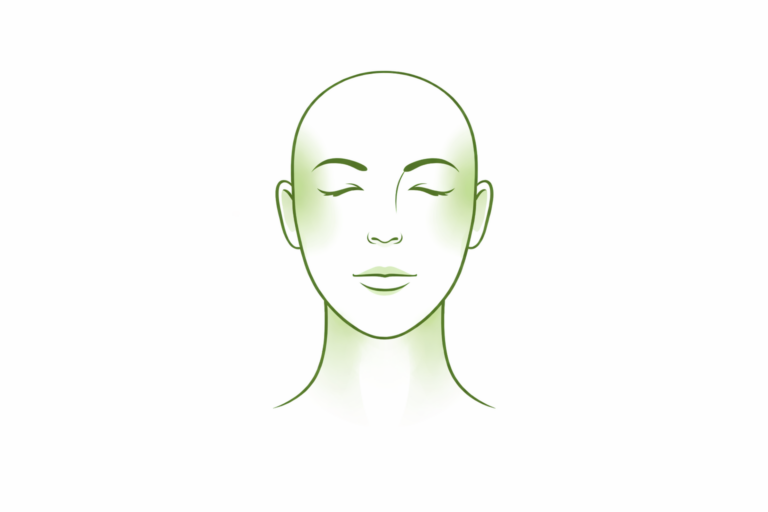
Evidence-Informed Care
We use recognised diagnostic frameworks and current literature to help guide assessment and treatment planning where relevant.