
Clenching and grinding (bruxism)
Understanding clenching and grinding
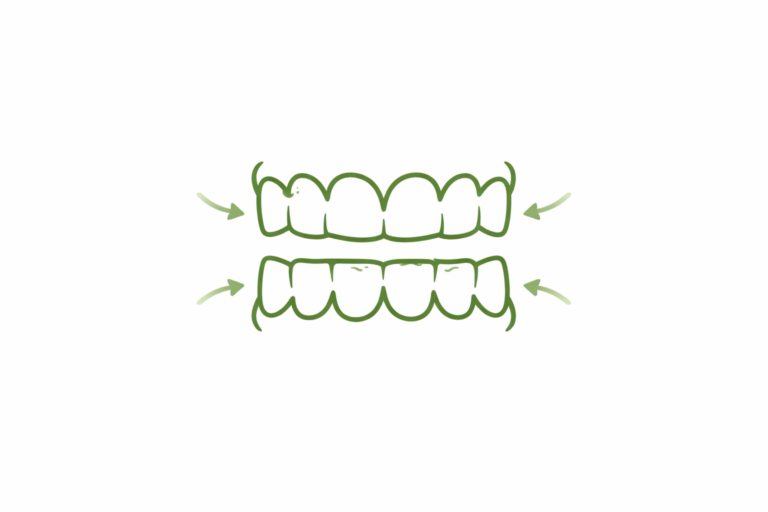
Clenching and grinding, often referred to as bruxism, involve increased muscle activity in the jaw. This may occur during the day, during sleep, or both.
Some people notice they clench their teeth during concentration or stress. Others may grind their teeth at night without being aware of it.
These patterns can affect how the jaw muscles and joints function over time, particularly when they occur frequently or with increased force.
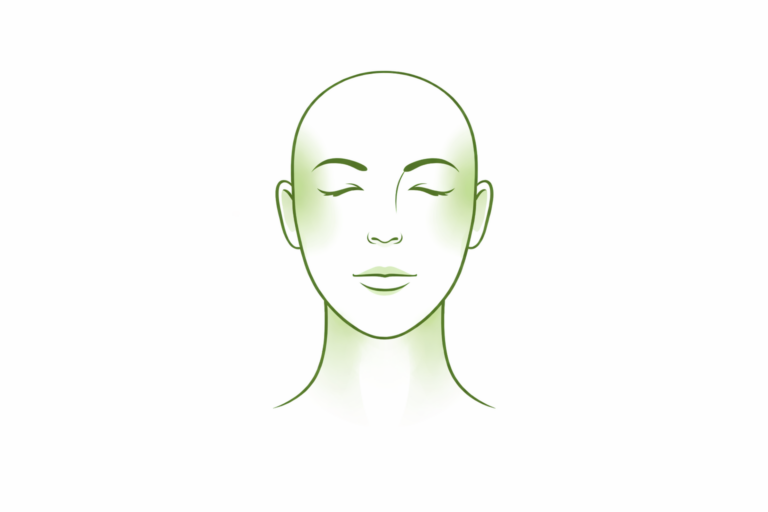
Where it shows up
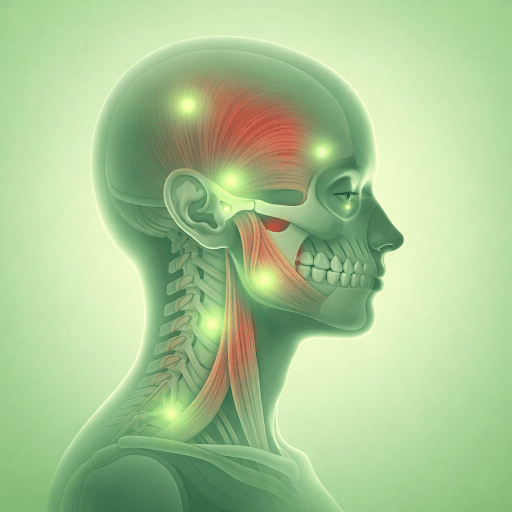
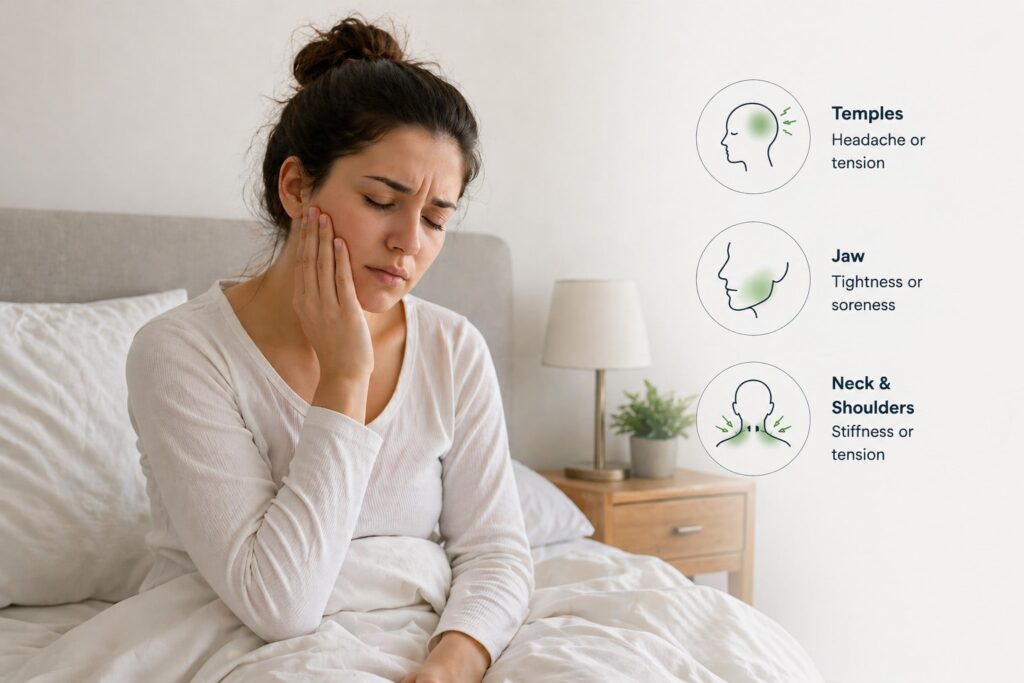
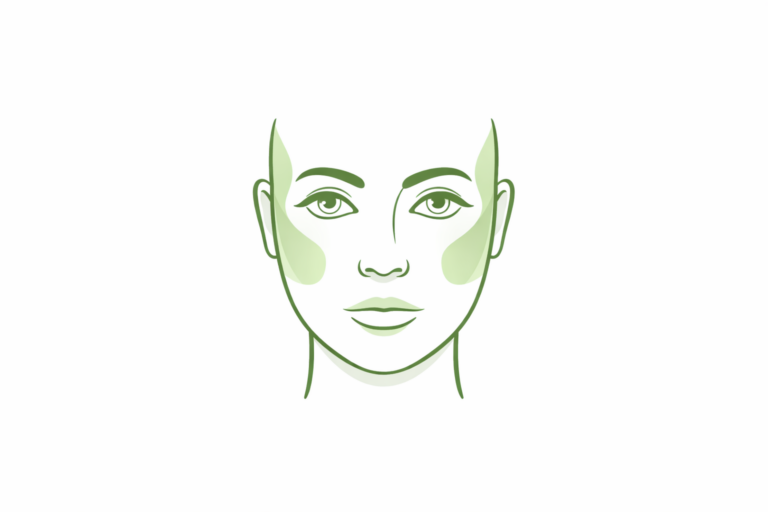
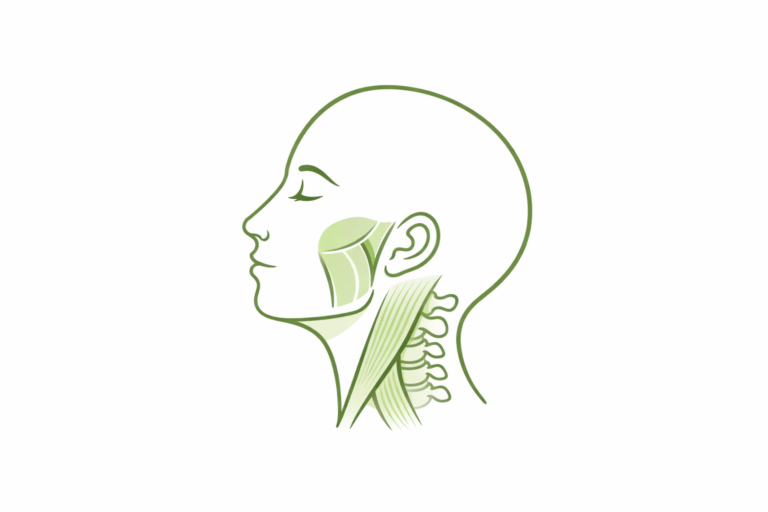
Muscle activity can affect multiple areas
Common experiences include
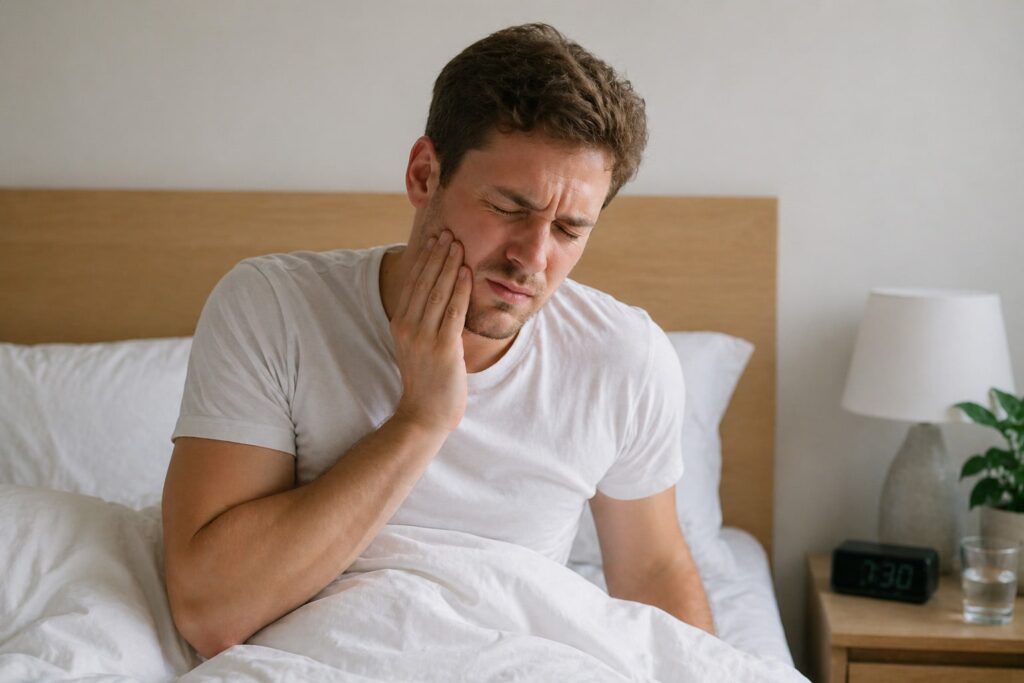
- Jaw tightness, especially on waking
- Facial muscle fatigue or heaviness
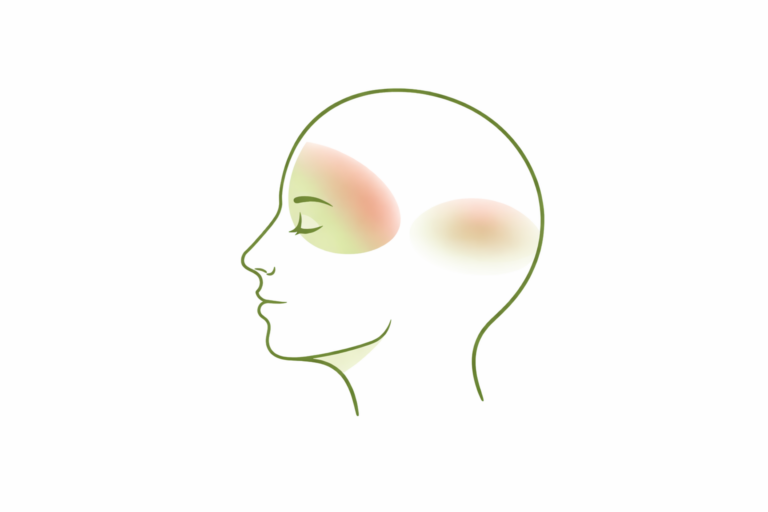
- Headaches, often in the temples
- Sensitivity or awareness of the teeth
- Neck and shoulder tension
Symptom patterns
Symptoms often occur together
Morning jaw tightness
Tooth wear
Headaches
Facial muscle fatigue
Similar patterns can have different causes
Not all clenching or grinding occurs for the same reason. In some cases, it may be related to stress or concentration. In others, it may be influenced by sleep patterns or breathing. Understanding the pattern helps clarify what may be contributing.
Whole-body connections
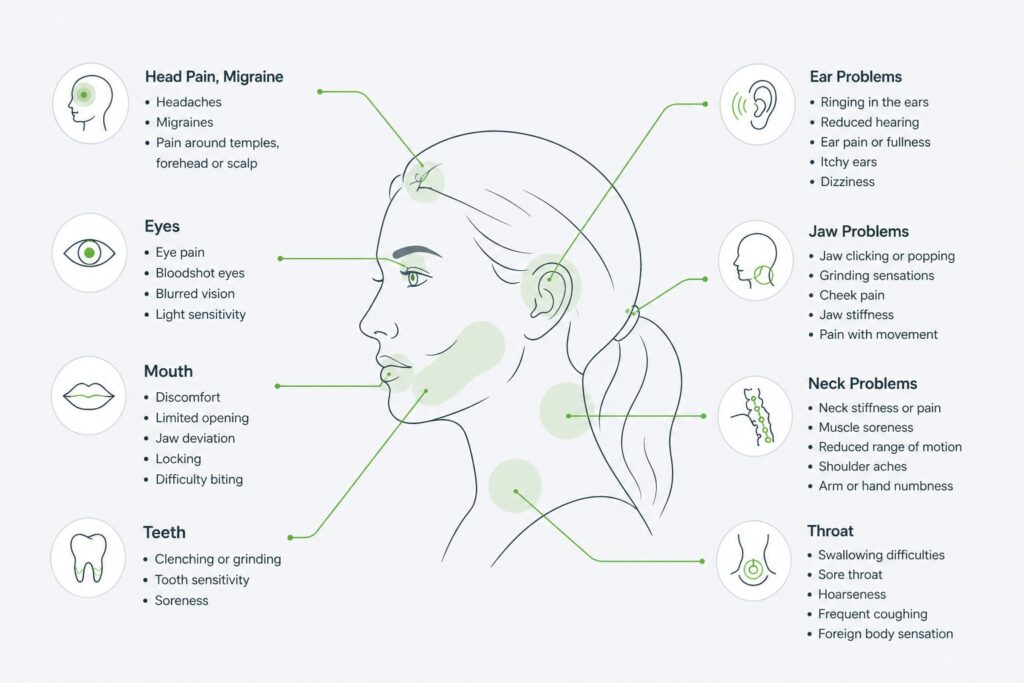
The jaw is influenced by sleep, breathing, and muscle activity
Clenching and grinding are not always limited to the jaw itself. They can be influenced by how the body functions more broadly.
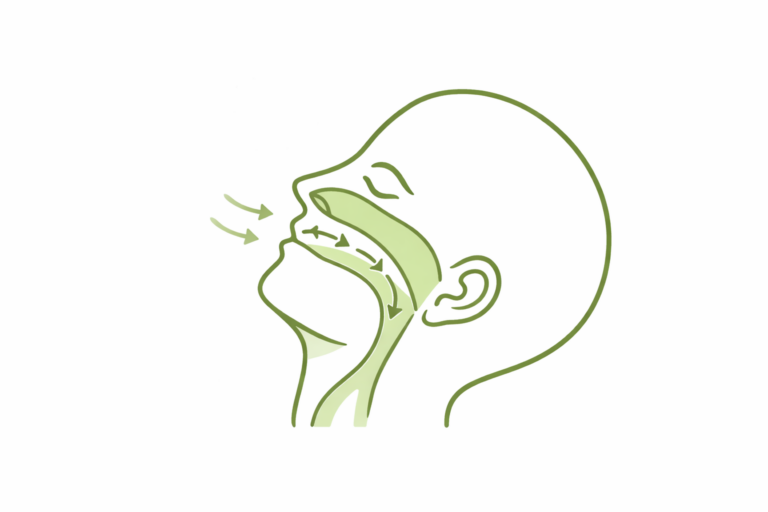
During sleep, muscle activity may increase in response to changes in breathing or arousal patterns. This is one reason clenching or grinding can occur without conscious awareness.
There is also a recognised overlap between bruxism and sleep-related conditions such as obstructive sleep apnoea. People with sleep apnoea may have a higher likelihood of clenching or grinding, although one does not directly cause the other.
Disrupted sleep can also increase sensitivity to pain and affect how symptoms are experienced.
01
Joint & Muscle Strain
The jaw joints and chewing muscles can become overloaded through clenching, grinding, or repeated use — often without you noticing.
02
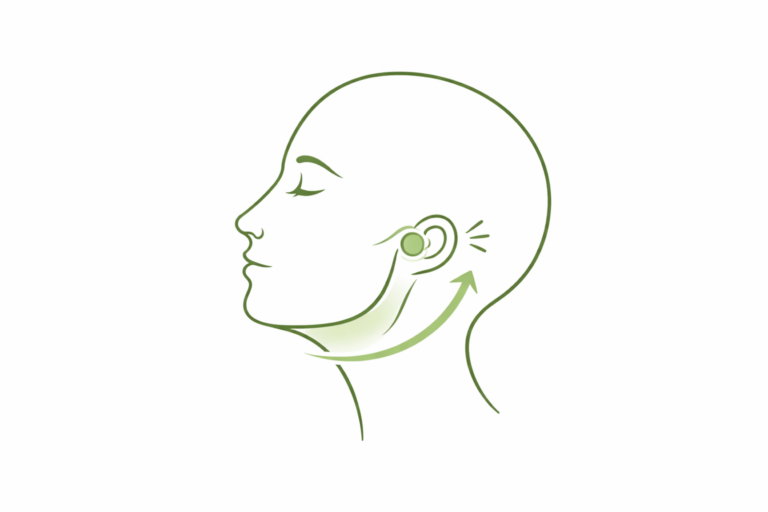
Referred Pain
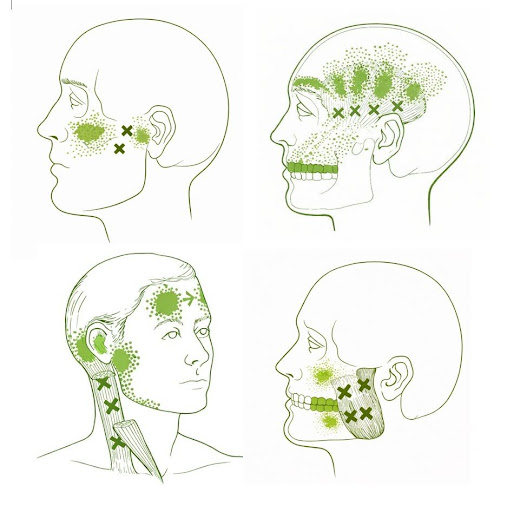
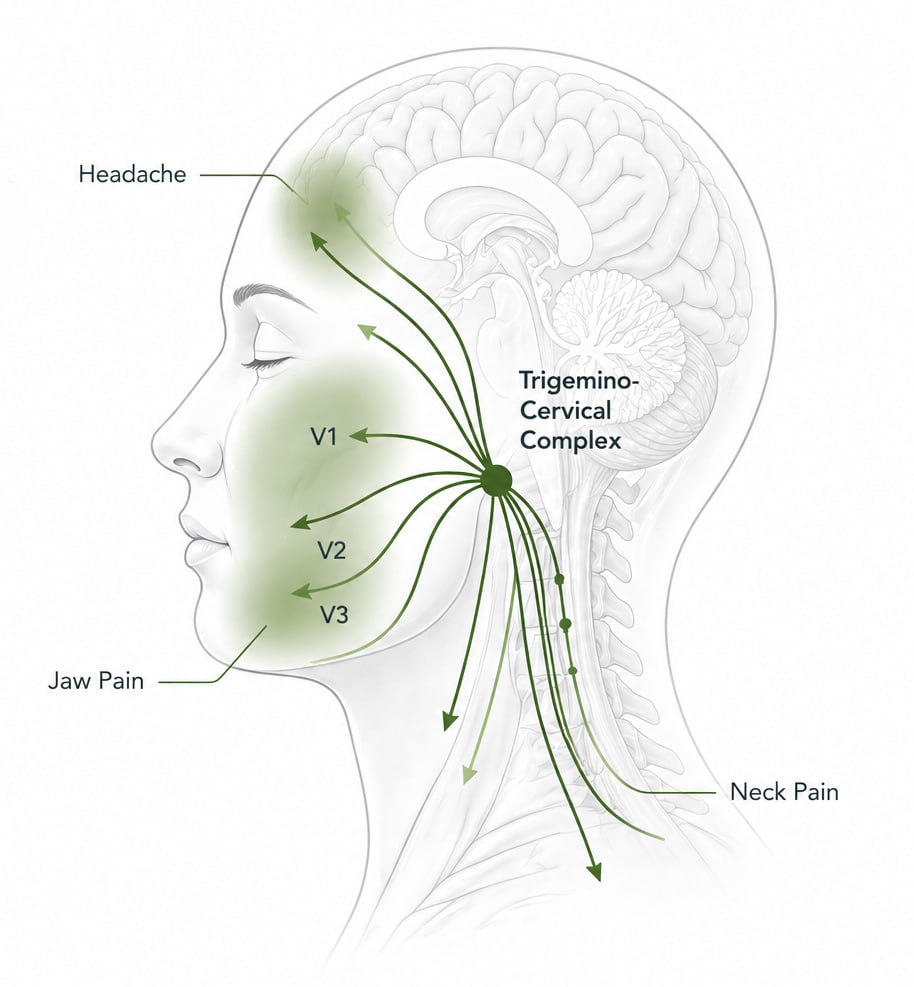
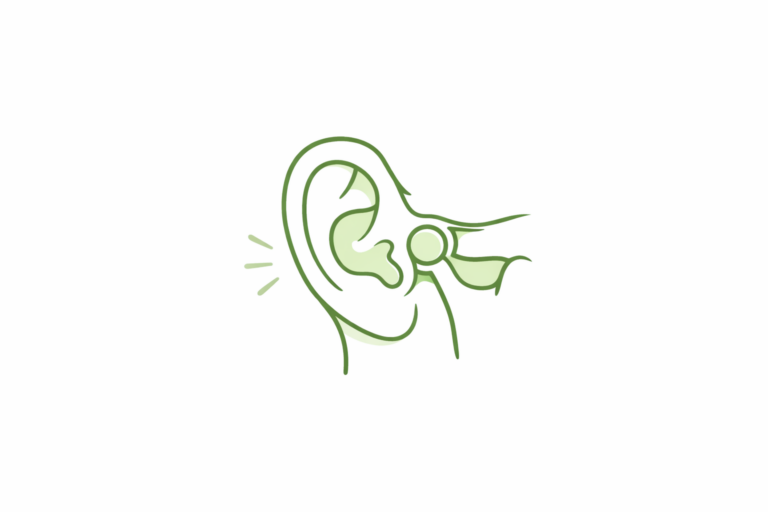
Pain can be felt far from where it begins. Muscles in the jaw or neck can refer pain into the face, temples, or ears.
03
Whole-Body Influences
Posture, breathing patterns, sleep quality, and muscle activity all influence how the jaw functions and how pain is experienced.
04
Nerve Connections
The jaw and upper neck share nerve pathways — the trigeminal cervical complex — allowing pain signals to overlap between regions.
Why this can happen
Bruxism often has multiple contributing factors
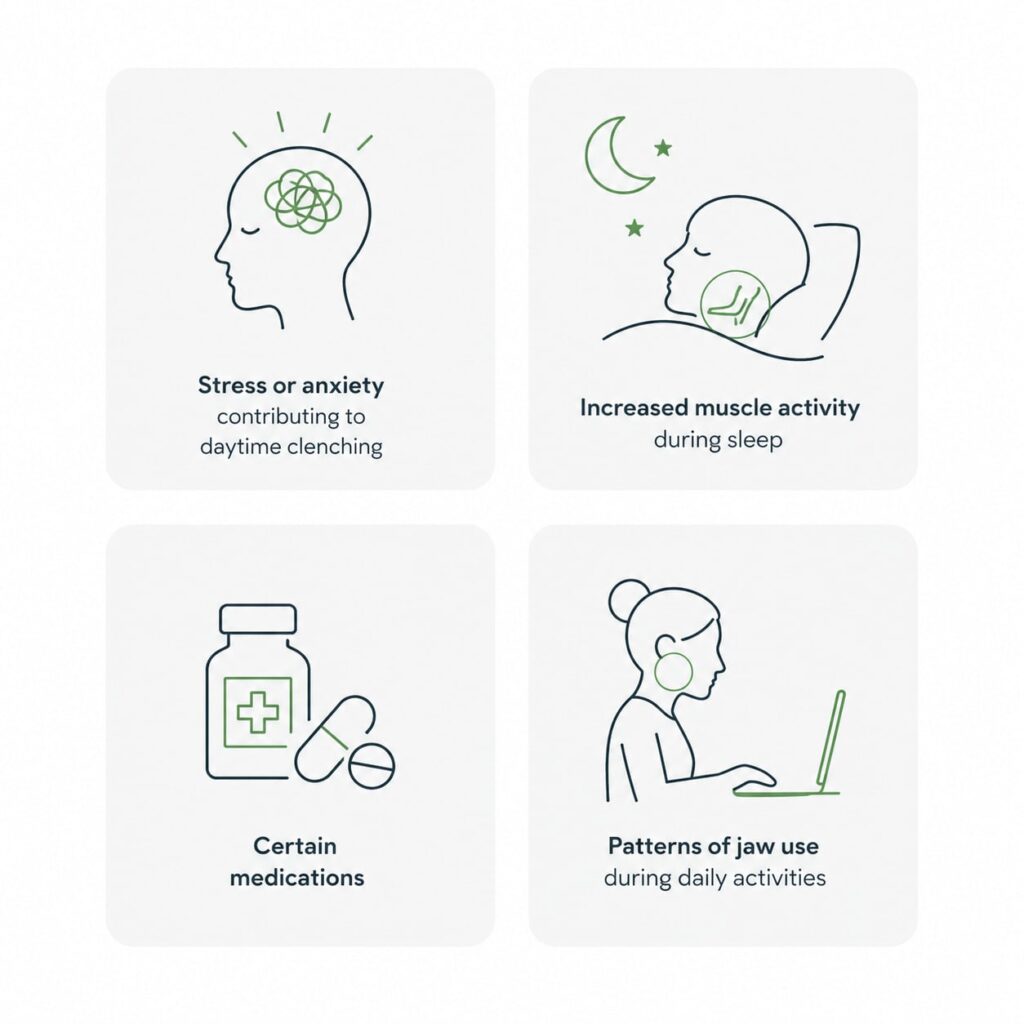
Clenching and grinding rarely have a single cause. They are usually influenced by a combination of factors.
These may include:
- stress or anxiety contributing to daytime clenching
- increased muscle activity during sleep
- certain medications
- patterns of jaw use during daily activities
Bite patterns alone are not considered a direct cause of clenching or grinding. However, when combined with increased muscle activity, they may influence how load is distributed across the jaw and contribute to discomfort.
How symptoms change
Muscle activity can vary over time
Clenching and grinding patterns may not be constant. Some people notice periods of increased activity, followed by times when symptoms settle.
Changes may be influenced by:
- stress or mental load
- sleep quality
- fatigue
- daily habits and routines
How we help
Care guided by your diagnosis
Clenching and grinding are patterns of muscle activity, not a diagnosis on their own. Understanding what is contributing helps guide how they are managed.
Assessment may consider:
- how the jaw muscles and joints are functioning
- patterns of daytime and night-time activity
- how sleep and breathing may be involved
- lifestyle and contributing factors
Because of this, people with similar symptoms may require different approaches. Where treatment is indicated, the appropriate TMJ treatment options depend on the assessment findings.
Care may involve a combination of:
- custom orthotic support where appropriate
- strategies to support muscle function
- sleep-related assessment if indicated
- guidance around contributing factors and habits
In selected adult cases, muscle relaxant injections may be considered to help manage muscle-related pain. These are used to support overall care, not to stop clenching or grinding directly.
When to seek an assessment
Jaw tightness or fatigue is persistent
Headaches are linked to jaw tension
Tooth wear or changes are noticeable
Symptoms are worse on waking
The cause of symptoms is unclear
Understanding what may be contributing can help guide appropriate next steps.
Treatment Options
Learn about TMJ treatment approaches
Our approach to TMJ care
Whole-body care guided by diagnosis
TMJ symptoms rarely come from the jaw alone. They can involve joint mechanics, muscle tension, bite function, posture, breathing, and sleep. At TMJ Centre Melbourne, care begins with understanding why symptoms are occurring. Treatment decisions follow diagnosis, not symptom labels. Care plans are personalised and often combine approaches, with progress reviewed and adjusted over time.
Diagnosis first
Whole-body assessment
Multidisciplinary care
Staged treatment
Evidence-Informed Care
We use recognised diagnostic frameworks and current literature to help guide assessment and treatment planning where relevant.