
Sleep-related treatment support
Supporting jaw function when sleep may be contributing
Sleep disturbance and persistent jaw or facial pain can influence one another. People with temporomandibular disorders (TMD) may also experience insomnia, unrefreshing sleep, daytime sleepiness, snoring, obstructive sleep apnoea (OSA) or other sleep-related concerns. We consider sleep as part of the TMD assessment and coordinate further investigation or care when appropriate.
A mandibular advancement splint (MAS) is one option for selected patients with primary snoring or medically diagnosed OSA, but it does not treat every sleep disorder. If jaw pain, locking or restricted movement is present, these symptoms should be assessed and managed before commencing or advancing a MAS, with regular review of jaw comfort, movement and the bite.
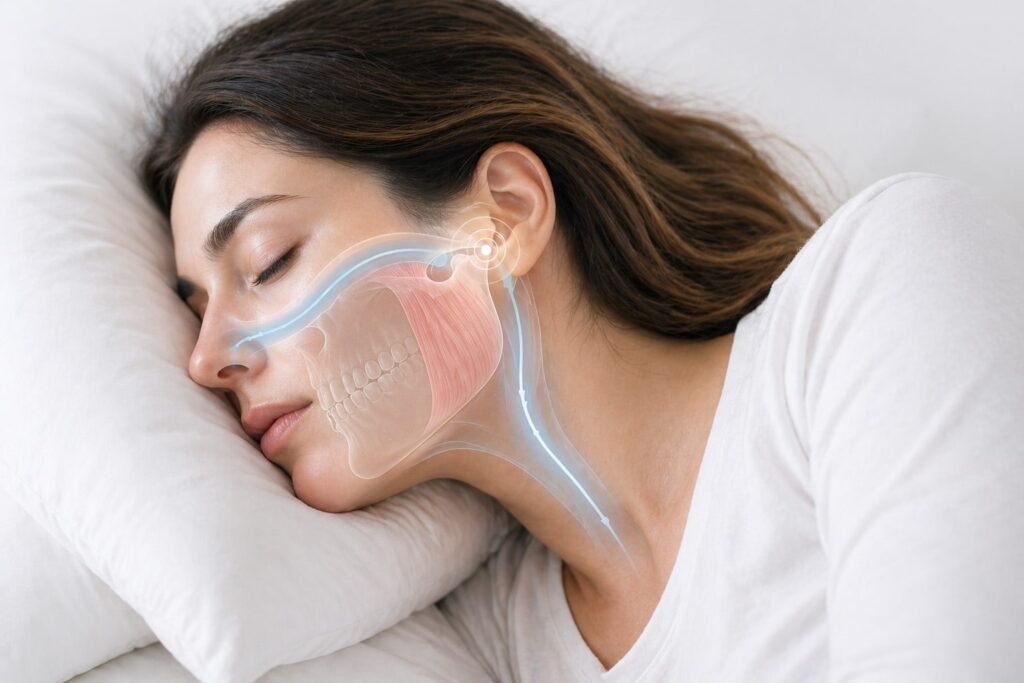
What this treatment is
How sleep is considered in TMD care
Sleep is one part of a broader TMD assessment. Persistent pain can disturb sleep, while inadequate or fragmented sleep may increase pain sensitivity, reduce recovery and make symptoms harder to manage. This relationship is individual and does not mean that every sleep problem is caused by TMD.
We ask about sleep quality, difficulty falling or staying asleep, early waking, unrefreshing sleep, daytime sleepiness, snoring, witnessed breathing pauses and existing sleep diagnoses or treatments. These findings help identify whether sleep may be contributing to the clinical picture and whether medical or sleep-specific assessment is appropriate.
If primary snoring or OSA is the relevant diagnosis, a MAS may form one part of care. A MAS is a custom, adjustable oral appliance that holds the lower jaw forward during sleep to help maintain upper-airway space. It is not the same as a standard night guard and it is not a treatment for insomnia.
Before a MAS is used, we assess dental and jaw suitability and record baseline jaw symptoms, movement and the bite. Active jaw pain, locking, restricted opening or other TMD symptoms are addressed before the appliance is commenced or advanced. OSA diagnosis, treatment prescription and objective confirmation of effectiveness remain within the medical sleep pathway.
This may involve:
- documenting sleep symptoms, their timing and their relationship to jaw pain
- screening for insomnia symptoms, daytime sleepiness and sleep-related breathing concerns
- assessing jaw movement, function, muscles, joints, teeth and bite
- managing TMD symptoms and recommending further sleep assessment where indicated
- coordinating with a GP, sleep physician or another healthcare practitioner
- considering a custom, titratable MAS only when the sleep diagnosis and jaw findings support it
- reviewing jaw symptoms, appliance comfort, dental health and bite throughout MAS titration
The aim is to identify the appropriate pathway—not to assume that every patient needs the same sleep treatment or an oral appliance
Why sleep matters in persistent TMD pain
When sleep-related patterns are contributing
Sleep disturbance and persistent jaw or facial pain often coexist. Poor sleep may increase pain sensitivity and hinder recovery, while pain can disrupt sleep. This two-way relationship does not mean that one caused the other.
Identifying insomnia, unrefreshing sleep, daytime sleepiness or sleep-related breathing concerns can guide appropriate care. Treating a sleep disorder may support TMD management, but improvement is not guaranteed. If snoring or breathing changes are your main concern, explore our snoring and sleep-related breathing symptoms page.
For primary snoring or medically diagnosed OSA, a MAS may be considered within a medical sleep pathway. CPAP is generally more effective at reducing breathing events, especially in severe OSA. Jaw symptoms with CPAP should be assessed before treatment changes, and CPAP should not be stopped without medical advice.
Care may include:
- TMD management that considers sleep
- referral for suspected insomnia or another sleep disorder
- medical investigation for snoring, witnessed apnoeas or daytime sleepiness
- support for jaw symptoms while prescribed CPAP continues
- a MAS for selected primary snoring or medically diagnosed OSA
- coordinated sleep and jaw follow-up
“What happens during sleep can affect how the jaw feels, functions and recovers the next day.”
Assessment helps determine whether sleep-related factors are clinically relevant
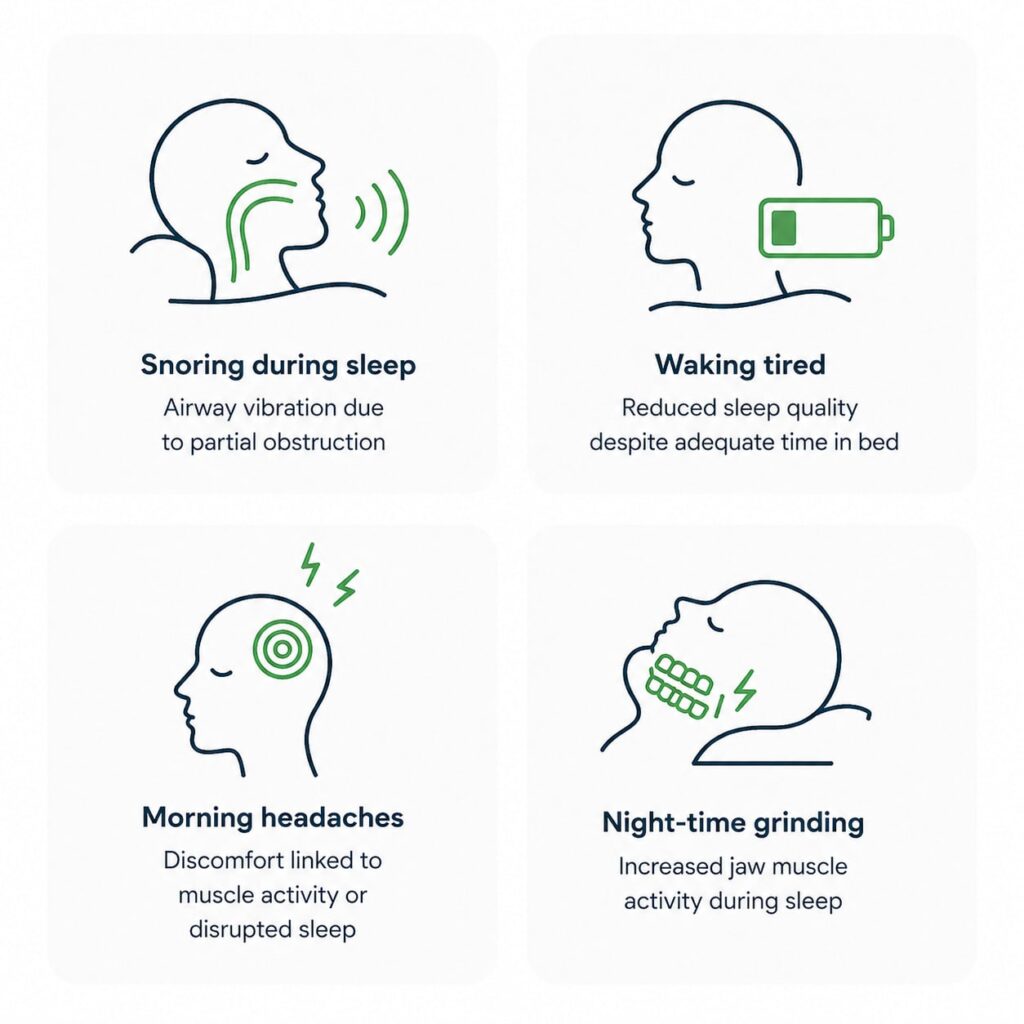
01
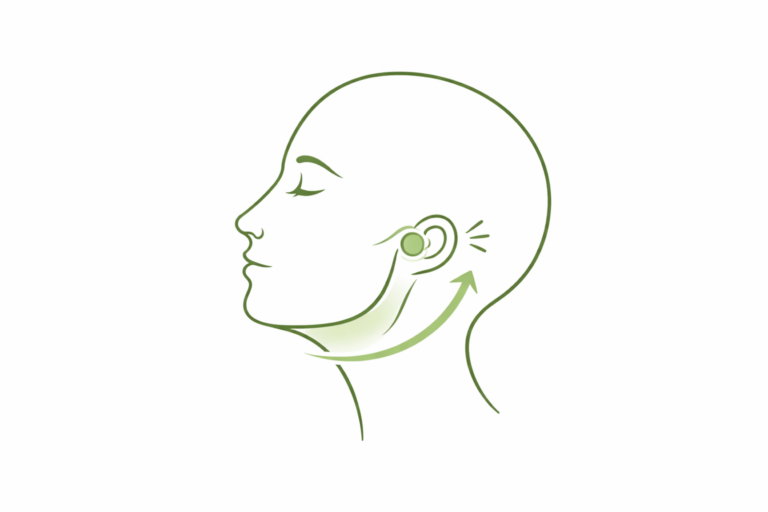
Night-time muscle activity - Clenching or grinding during sleep can place sustained load on the jaw muscles and joints, often without awareness.
02
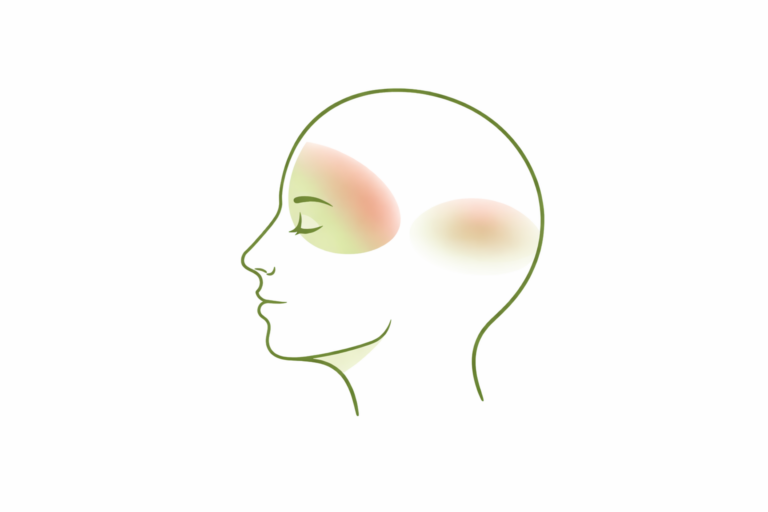
Breathing patterns - Airway restriction or altered breathing (including snoring or sleep apnoea) may influence jaw position, muscle activation, and overall system stability.
03
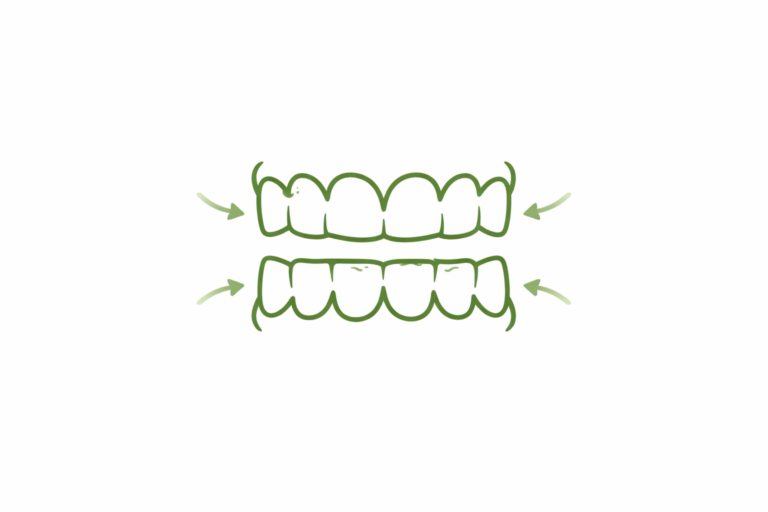
Sleep quality - Fragmented sleep, insomnia, or reduced sleep depth can impair recovery and increase pain sensitivity.
04
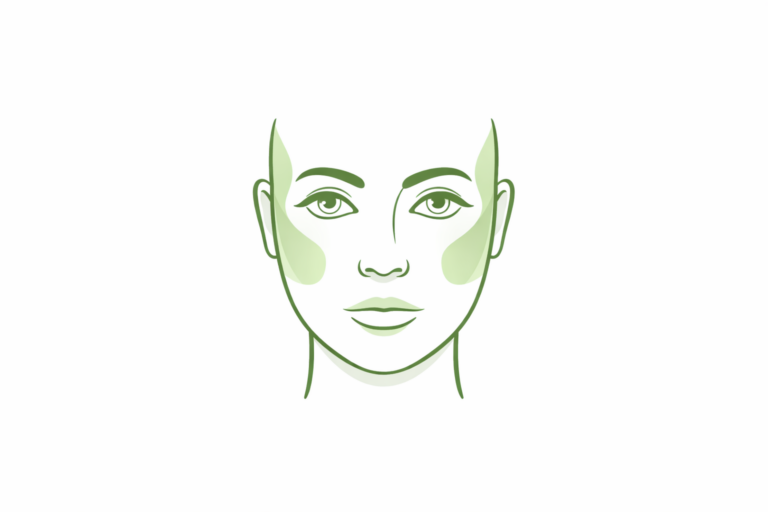
System interaction - Sleep, breathing, muscle activity, and pain processing are closely connected. Changes in one area can influence the others over time.
Tailored support
Support matched to the sleep and jaw findings
No single treatment suits every combination of TMD and disturbed sleep. Recommendations depend on the pain diagnosis, sleep symptoms, health, function, existing treatment and any diagnosed sleep disorder. Care may combine TMD management, sleep advice and medical assessment.
This may include:
Insomnia or disrupted sleep
Identifying and addressing insomnia patterns, sleep disruption, and habits that affect recovery
Possible sleep apnoea
Refer snoring, gasping or marked daytime sleepiness through an appropriate medical sleep pathway
Jaw symptoms first
Assess and manage active pain, locking, restricted movement or tenderness before fitting or advancing a MAS.
CPAP and jaw pain
Manage jaw symptoms without changing prescribed CPAP unless advised by the treating medical practitioner.
MAS suitability
Assess the teeth, gums, bite, jaw joints and muscles before fitting a custom MAS for an appropriate sleep diagnosis.
Ongoing review
Monitor pain, movement, appliance fit, dental health and bite, with objective testing of OSA control.
Care may involve TMD treatment, self-management, sleep referral, CPAP support or a MAS. Persistent or worsening appliance-related jaw symptoms may require adjustment, slower advancement, targeted TMD management, a temporary pause or alternative coordinated care.
Part of a broader plan
One part of a complete approach
Sleep-related treatment support is used where it aligns with assessment findings. It forms part of a broader, structured care plan rather than acting as a standalone solution.
Addressing sleep-related factors can improve outcomes when they are contributing, particularly in persistent or complex cases.
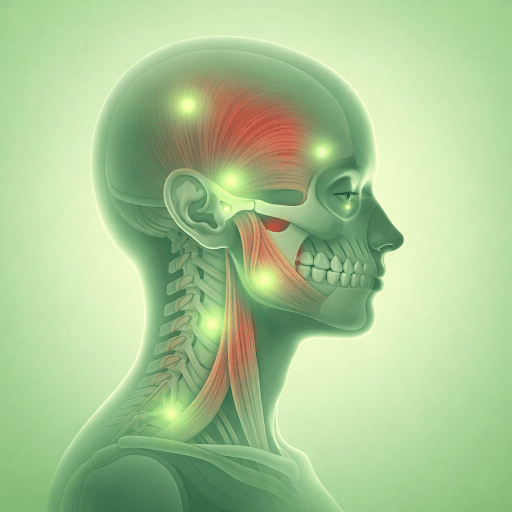
Considering the whole system
muscle activity and recovery
breathing and airway function
posture and sleep positioning
stress and nervous system regulation
When It May Help
When sleep-related patterns are identified
symptoms are worse on waking
clenching or grinding occurs during sleep
snoring or disrupted breathing is present
sleep quality is poor or inconsistent
diagnosed or suspected sleep apnoea
insomnia or difficulty staying asleep is present
Assessment helps determine whether sleep-related factors are contributing and how they can be addressed within care.
Treatment Options
Learn about TMJ treatment approaches
Our approach to TMJ care
Whole-body care guided by diagnosis
TMJ symptoms rarely come from the jaw alone. They can involve joint mechanics, muscle tension, bite function, posture, breathing, and sleep. At TMJ Centre Melbourne, care begins with understanding why symptoms are occurring. Treatment decisions follow diagnosis, not symptom labels. Care plans are personalised and often combine approaches, with progress reviewed and adjusted over time.
Diagnosis first
Whole-body assessment
Multidisciplinary care
Staged treatment
Evidence-Informed Care
We use recognised diagnostic frameworks and current literature to help guide assessment and treatment planning where relevant.