
Comprehensive TMJ assessment and diagnosis
Understanding how the jaw works
A TMJ assessment is a structured appointment for people experiencing jaw pain, clicking, locking, restricted opening, clenching or grinding, headaches, facial pain, ear symptoms or other TMJ-related concerns.
We assess the jaw joints, chewing muscles, bite, clenching or grinding patterns and, where relevant, factors such as headaches, neck tension and sleep.
The first step is understanding what is contributing to your symptoms. We explain our findings in plain language and recommend an individualised treatment plan based on your assessment.

What this involves
Building a clear picture of how your jaw is functioning
The assessment looks at how your jaw joints, chewing muscles and teeth work together, and whether other factors may be adding to your symptoms.
During a TMJ assessment, we may consider:
- jaw opening, movement and range of motion
- clicking, popping, catching or locking
- tenderness in the jaw joints and chewing muscles
- clenching, grinding and bite-force patterns
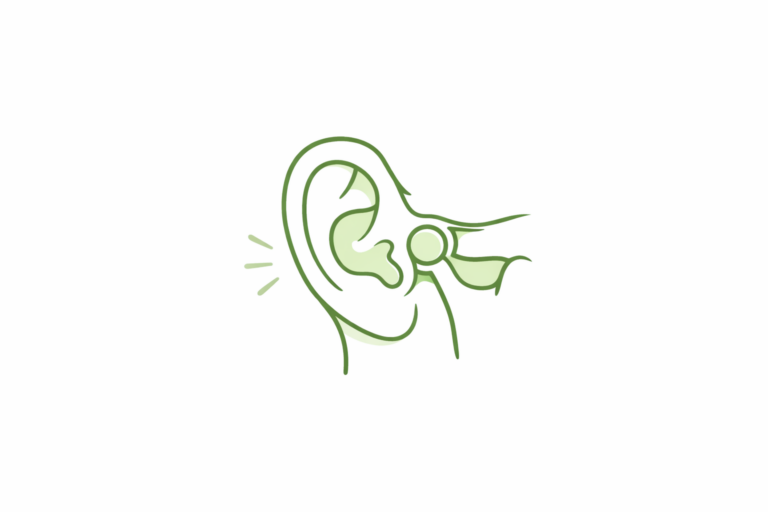
- headaches, temple pain, facial pain or ear-related symptoms
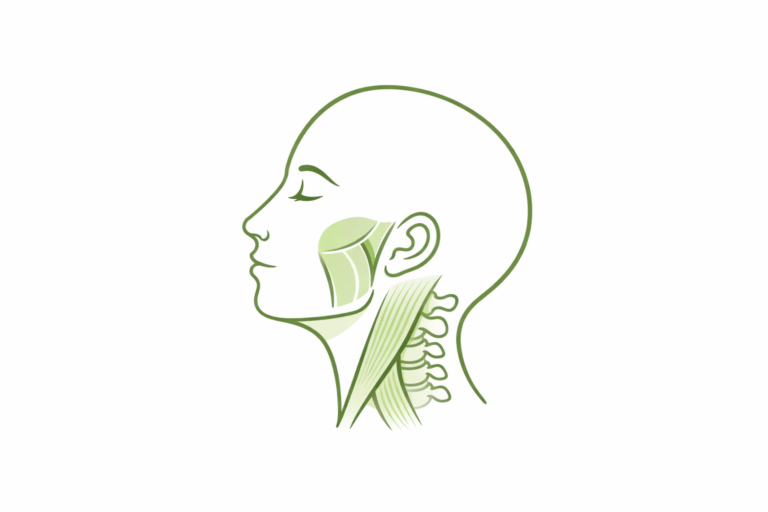
- neck movement and related muscle tension
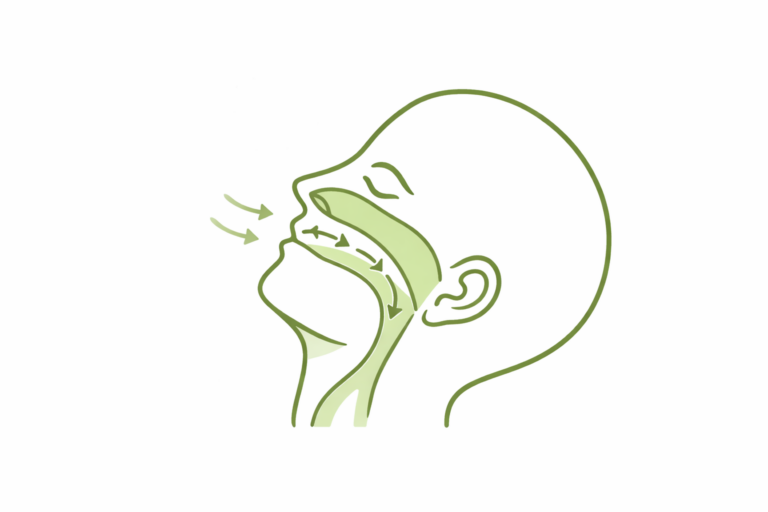
- sleep-related symptoms such as morning jaw pain, waking headaches, snoring, waking unrefreshed or other signs of disrupted breathing during sleep
- whether imaging, GP, ENT, sleep or specialist referral may be appropriate
The aim of assessment is to understand what may be contributing to your symptoms, rather than assuming all jaw pain comes from the same source.
Pain felt in the jaw, face or head may come from the jaw joints or chewing muscles, but it can also be referred from the neck or surrounding areas.
By looking at these factors together, we can build a clearer picture of what may be driving your symptoms and which management options may be appropriate.
Why it matters
Guiding the right treatment from the start
Similar symptoms can arise from very different causes. Without a clear understanding of what is contributing, treatment may be based on assumptions rather than diagnosis.
This is often why patients may have tried multiple approaches without lasting improvement.
Assessment helps ensure that:
- treatment is targeted to the underlying drivers of symptoms
- unnecessary or ineffective interventions are avoided
- care is prioritised based on what is most relevant
01
Joint behaviour - How the jaw joints move, load, and respond during function
02
Muscle patterns - Which muscles are overactive, fatigued, or compensating
03
Bite and loading - How forces are distributed across the teeth and joints
04
Contributing factors - Patterns such as clenching, grinding, posture, and movement habits
"Assessment is used to understand what is contributing — not to match symptoms to a treatment."
Two people with similar symptoms may require different approaches. Identifying these differences is what allows care to be more specific and effective.
Tailored evaluation
No two assessments are the same
Assessment is guided by how your symptoms present and how your jaw is functioning. This is particularly valuable where symptoms are:
- ongoing or recurring
- difficult to explain
- affecting multiple areas (jaw, face, neck, head)
- not improving with previous treatment
Assessment may include:
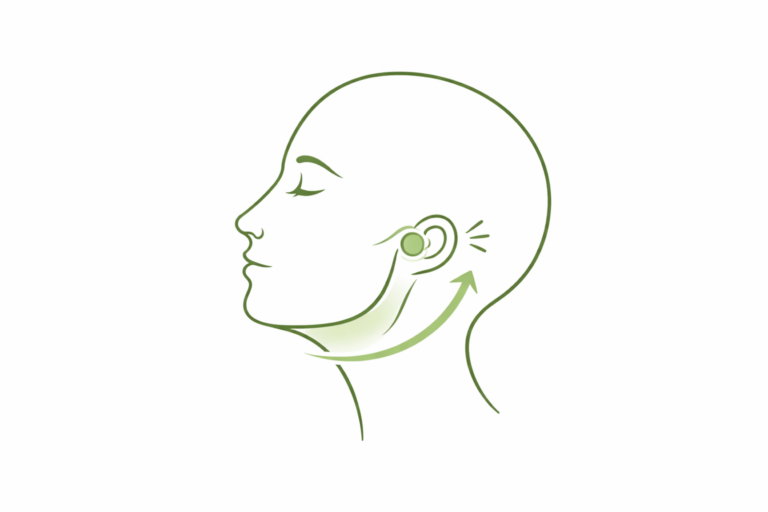
Jaw joint function
How the joint behaves during opening, closing, and movement
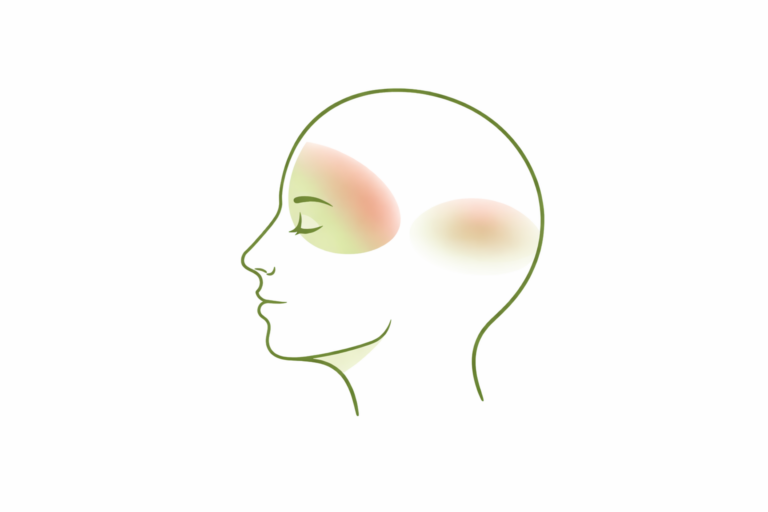
Muscle activity
Patterns of tension, fatigue, or protective guarding
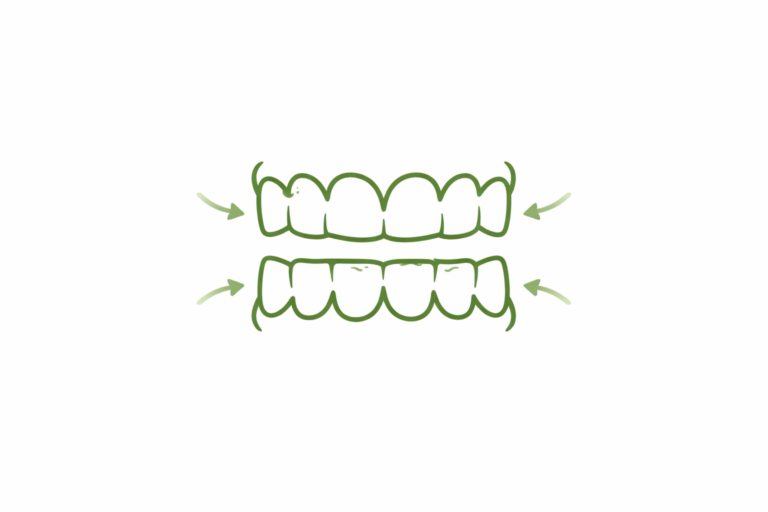
Bite relationships
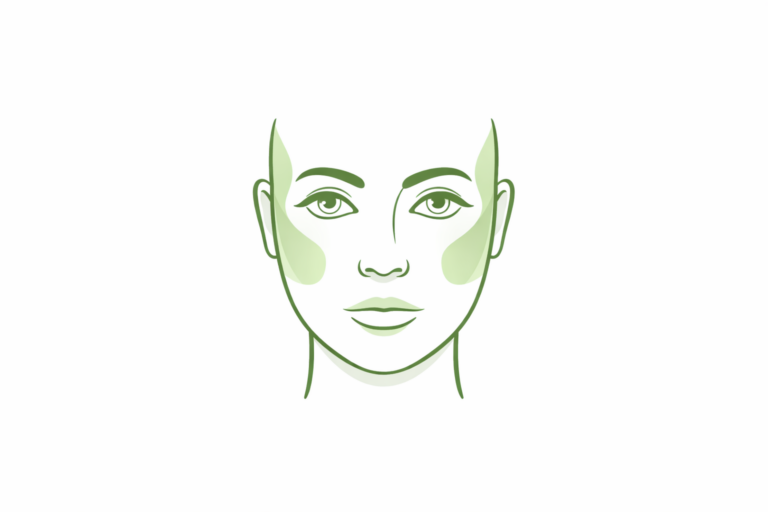
Movement Patterns

Findings are considered together to build a complete understanding of how the system is functioning.
Some symptoms involve more than the jaw alone. Where relevant, we may recommend input from your GP, physiotherapist, chiropractor, ENT, sleep physician or another appropriate practitioner.
Any referral is based on what we identify during your assessment.
What you get from an assessment
Clarity, direction, and a structured plan
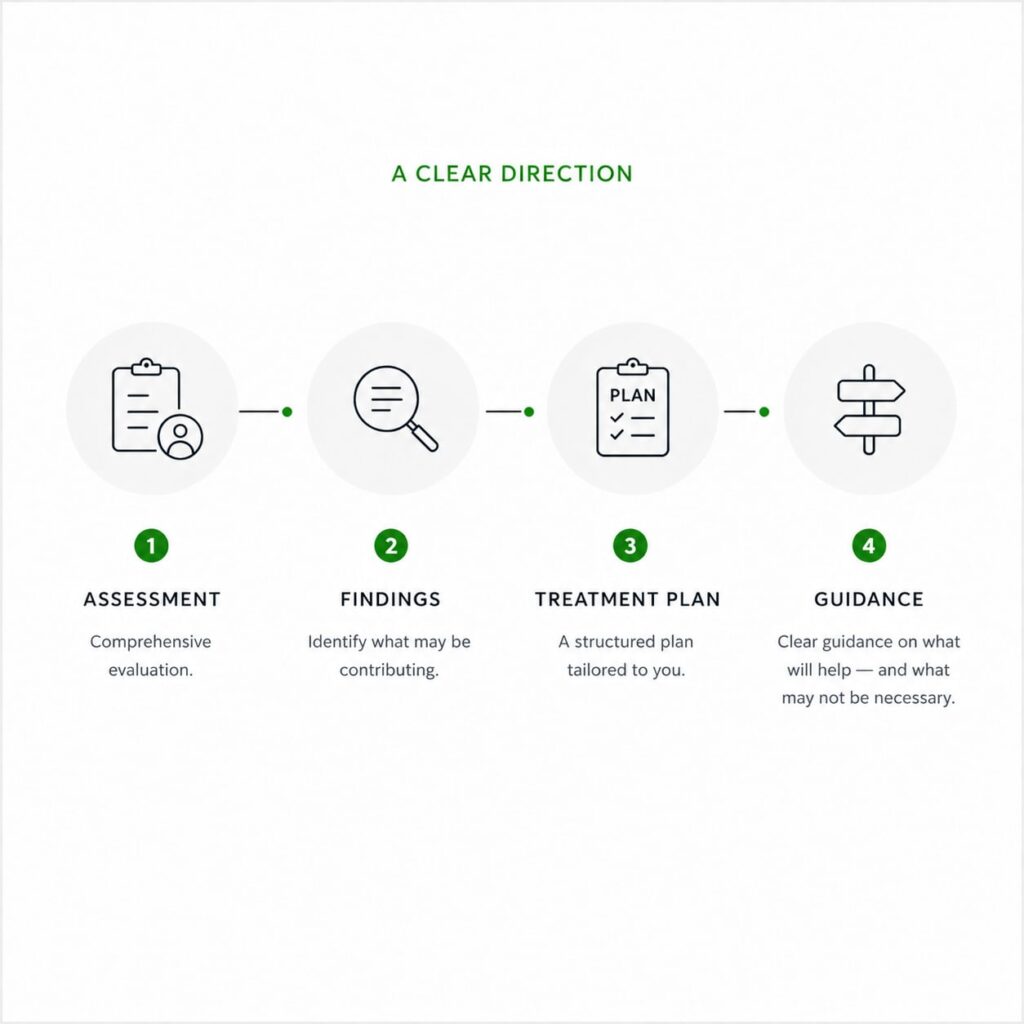
At the end of the appointment, we explain:
- where your symptoms are most likely coming from;
- what may be contributing to or maintaining them;
- whether further investigation, imaging or referral may be appropriate;
- which treatment options are reasonable for you; and
- what may not be necessary.
You will have an opportunity to ask questions, and we will explain the recommended next steps in plain language.
If you feel this is the appropriate next step, you can book a TMJ assessment in Melbourne.
Part of a broader plan
One assessment within a complete approach
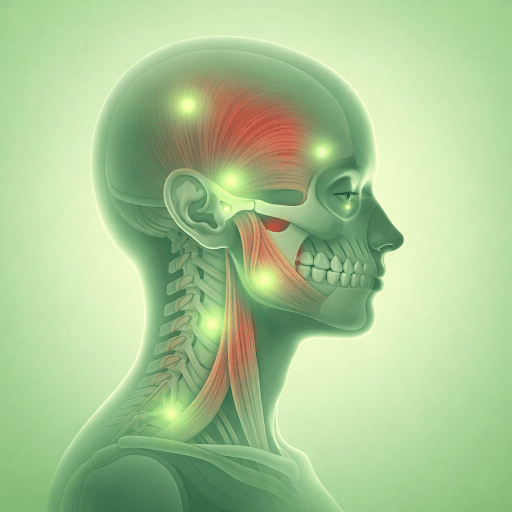
Considering the whole system
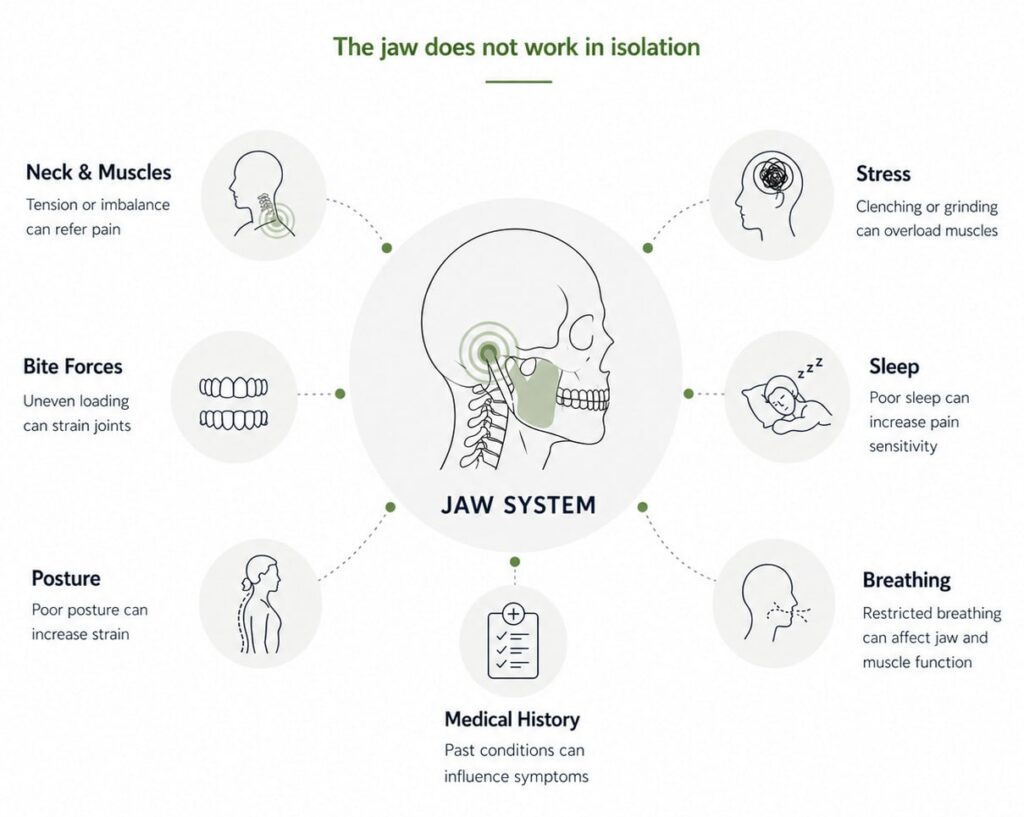
The jaw does not work in isolation. Assessment may consider how jaw function sits alongside other contributing factors. Addressing one area alone may not fully resolve symptoms if other contributors are present.
Neck and muscle patterns
Posture and daily habits
Breathing and sleep factors
Dental and musculoskeletal relationships
When It May Help
When symptoms need clearer direction
Assessment may be helpful if:
Symptoms are ongoing or recurring
pain shifts between the jaw, face, or neck
jaw movement feels restricted or uncomfortable
previous approaches have not provided lasting improvement
This process provides a clearer understanding of what may be contributing and helps guide the next steps in care.
Treatment Options
Learn about TMJ treatment approaches
Our approach to TMJ care
Whole-body care guided by diagnosis
TMJ symptoms rarely come from the jaw alone. They can involve joint mechanics, muscle tension, bite function, posture, breathing, and sleep. At TMJ Centre Melbourne, care begins with understanding why symptoms are occurring. Treatment decisions follow diagnosis, not symptom labels. Care plans are personalised and often combine approaches, with progress reviewed and adjusted over time.
Diagnosis first
Whole-body assessment
Multidisciplinary care
Staged treatment
Evidence-Informed Care
We use recognised diagnostic frameworks and current literature to help guide assessment and treatment planning where relevant.