
Snoring and sleep-related breathing support
Understanding snoring and sleep-related breathing
Snoring and disrupted breathing during sleep can affect how the body functions overnight, including how the jaw muscles and joints behave.
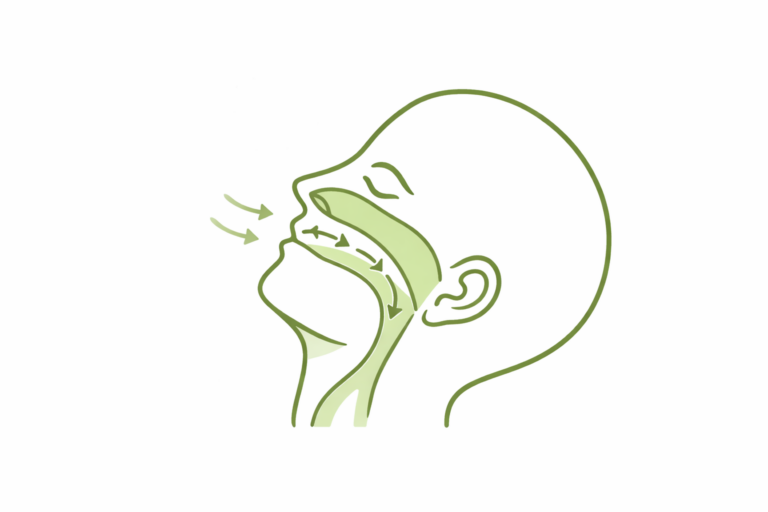
Snoring occurs when airflow is partially restricted during sleep, causing vibration in the airway. Obstructive sleep apnoea (OSA) is a medical condition where breathing repeatedly pauses or becomes limited during sleep.
These are not the same. Snoring can occur on its own, while sleep apnoea involves more significant changes in breathing and requires medical assessment.
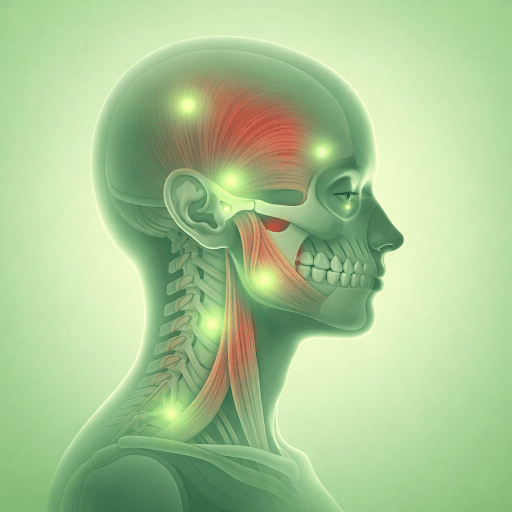
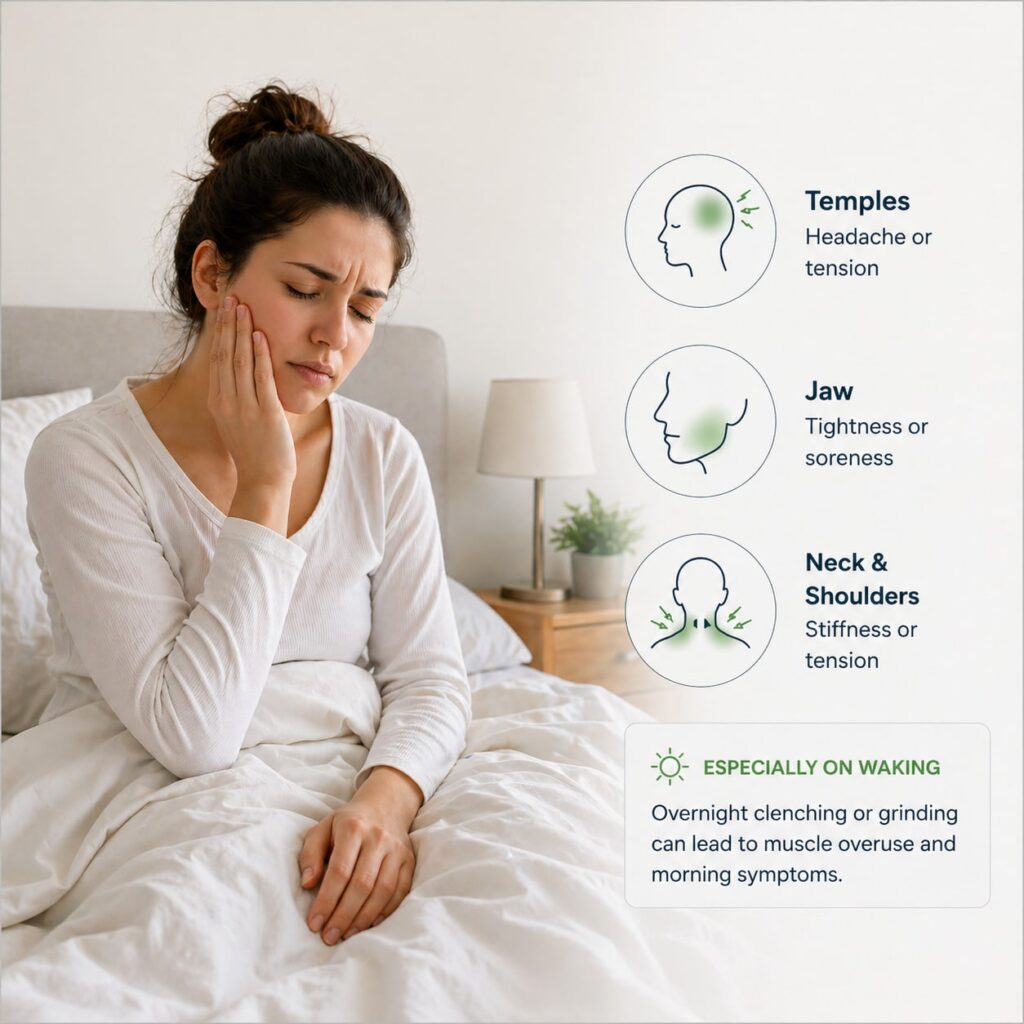
Where it shows up
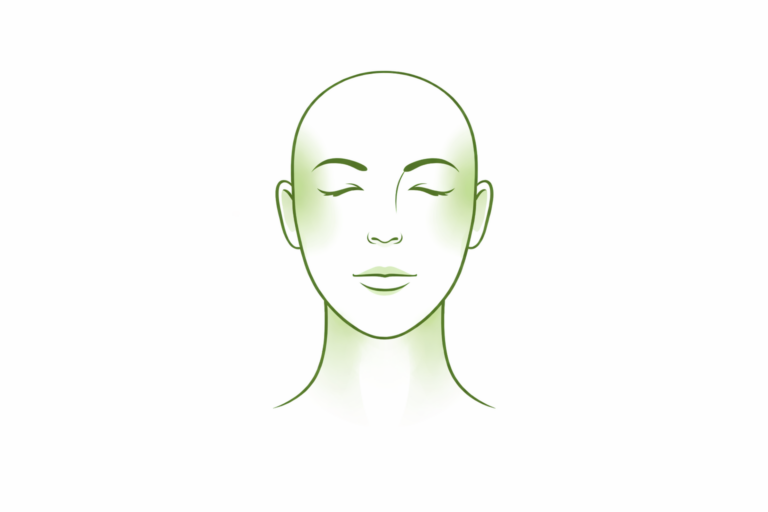
Sleep-related patterns can affect multiple areas
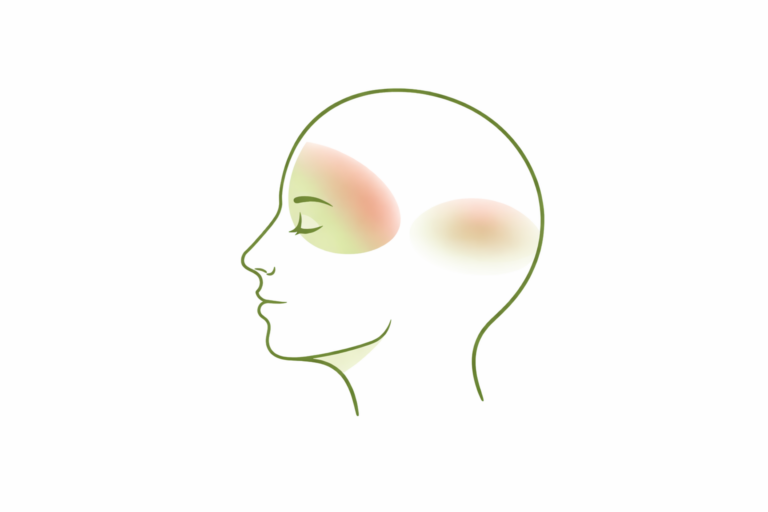
Common experiences include
- Loud or persistent snoring
- Difficulty falling asleep, staying asleep or waking earlier than intended
- Waking feeling tired or unrefreshed
- Morning headaches
- Jaw tightness or grinding during sleep
- Frequent waking or disrupted sleep
- clenching or grinding during sleep
These symptoms can have several causes. They do not confirm TMD, insomnia or OSA on their own.
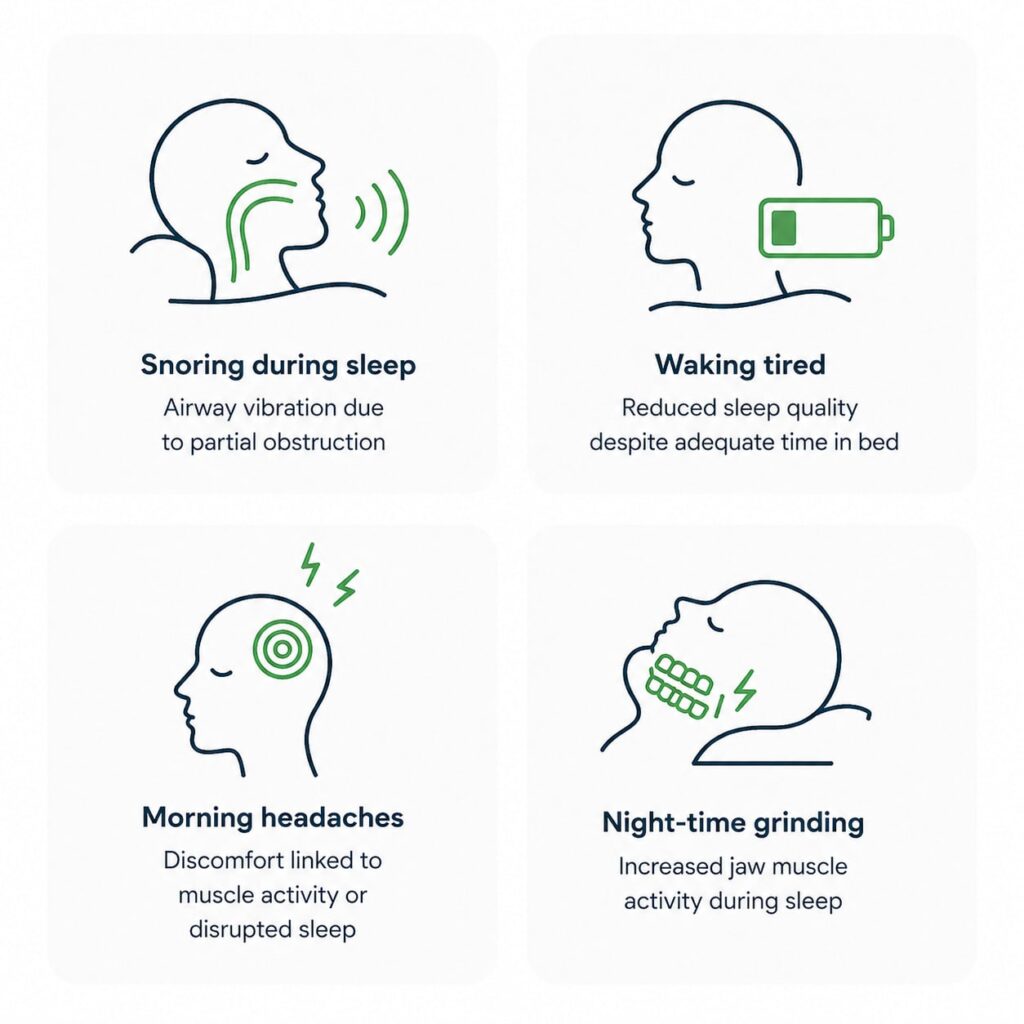
Symptom patterns
Symptoms often occur together
Snoring during sleep
Waking tired
Morning headaches
Night-time grinding
Similar symptoms can have different causes
Snoring, disrupted sleep, and jaw symptoms can overlap, but they do not always share the same cause. Obstructive sleep apnoea and jaw-related conditions are separate, but they can influence each other. For example, sleep disruption may increase muscle activity or sensitivity to pain. Understanding how these patterns interact helps guide appropriate assessment.
Whole-body connections
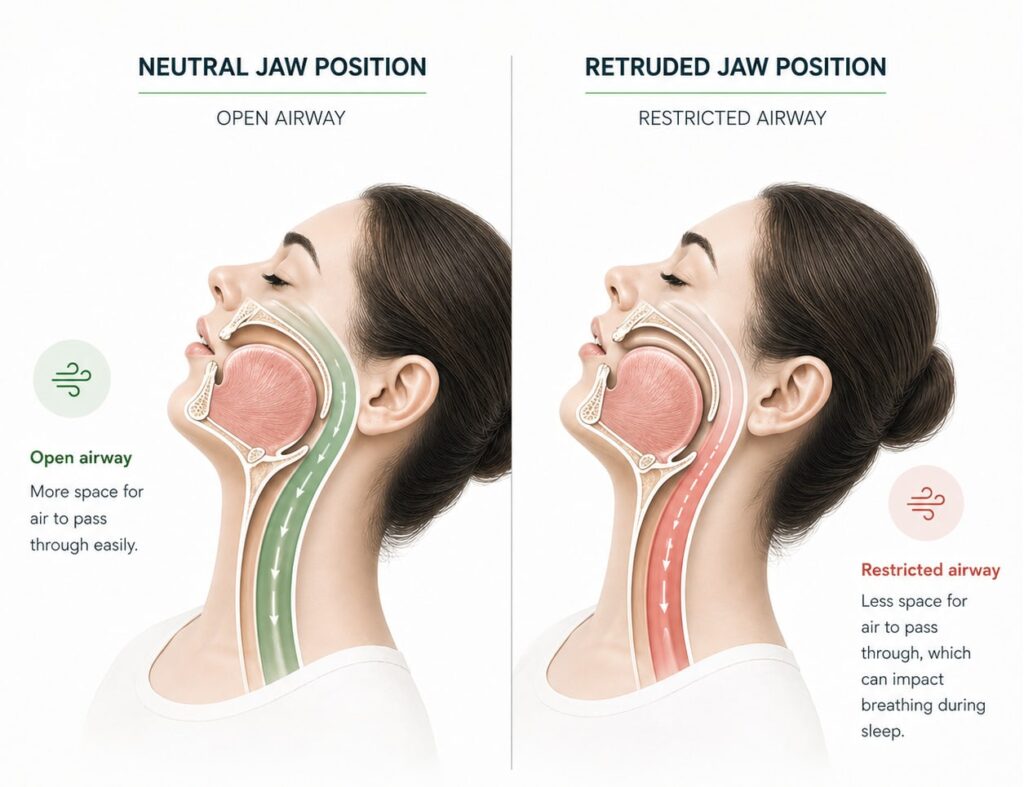
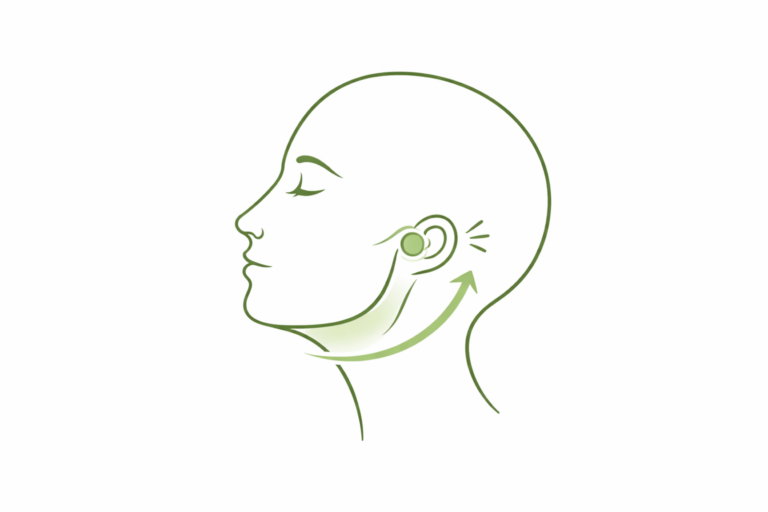
The jaw can influence airway space
The position of the lower jaw can affect the space available for airflow during sleep. In some people, a smaller or more retruded jaw position may contribute to airway narrowing.
Because of this, jaw position, muscle activity, and breathing patterns are closely linked during sleep.
01
Airway structure
02
Jaw position
03
Muscle activity
04
Whole-body influences
Why this can happen
Sleep-related breathing changes often involve multiple factors
Snoring and sleep disruption are usually influenced by a combination of structural and functional factors.
These may include:
- partial airway obstruction during sleep
- jaw position and facial structure
- increased muscle activity during sleep
- alcohol or medication use
- body weight and general health factors
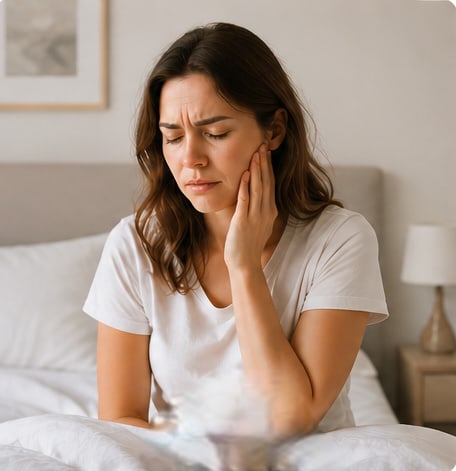
In some cases, disrupted sleep may also increase sensitivity to pain and contribute to jaw-related symptoms.

How symptoms change
Sleep-related symptoms can vary over time
Sleep patterns and breathing changes may fluctuate depending on daily habits, health, and environment.
Changes may be influenced by:
- sleep position
- alcohol or medication use
- stress or fatigue
- changes in routine
- general health factors
How we help
Care guided by your diagnosis
Sleep problems are not all the same. Insomnia, OSA and other sleep disorders require different assessment and treatment pathways, and more than one problem can coexist. Our role is to consider sleep symptoms within the TMD assessment, identify relevant jaw findings and recommend further medical or sleep-specific assessment when appropriate.
This may include:
- discussing sleep quality, sleep timing, night waking and daytime function
- evaluating jaw position, jaw movement and function
- assessing the teeth, gums, bite, jaw joints and jaw muscles
- identifying jaw pain, locking, restricted opening and possible sleep-related contributors
- recommending GP, sleep physician or other appropriate referral
- considering a custom MAS only for suitable primary snoring or diagnosed OSA cases
- collaborating with the patient’s GP, sleep physician, ENT specialist or other healthcare providers.
Appropriate management of a coexisting sleep disorder may support pain management and improve the overall treatment plan. TMJ-related care does not replace diagnosis or treatment of insomnia, OSA or another sleep disorder.
Where a MAS may be appropriate, jaw and dental suitability are assessed first. Learn about sleep-related treatment support and MAS suitability
When to seek an assessment
Snoring is persistent or worsening
Sleep feels unrefreshing despite adequate duration
Morning headaches or jaw symptoms are present
Night-time grinding or clenching is noticeable
Sleep patterns are disrupted or unclear
Understanding the sleep and jaw pattern can help determine the appropriate next step.
Treatment Options
Learn about TMJ treatment approaches
Our approach to TMJ care
Whole-body care guided by diagnosis
TMJ symptoms rarely come from the jaw alone. They can involve joint mechanics, muscle tension, bite function, posture, breathing, and sleep. At TMJ Centre Melbourne, care begins with understanding why symptoms are occurring. Treatment decisions follow diagnosis, not symptom labels. Care plans are personalised and often combine approaches, with progress reviewed and adjusted over time.
Diagnosis first
Whole-body assessment
Multidisciplinary care
Staged treatment
Evidence-Informed Care
We use recognised diagnostic frameworks and current literature to help guide assessment and treatment planning where relevant.