
Lifestyle and contributing factor guidance
Supporting how the jaw works
Daily habits and self-management strategies can influence how the jaw functions over time. This includes how often the jaw muscles are activated, how the jaw is loaded during routine activities, and how well the system recovers between episodes of strain.
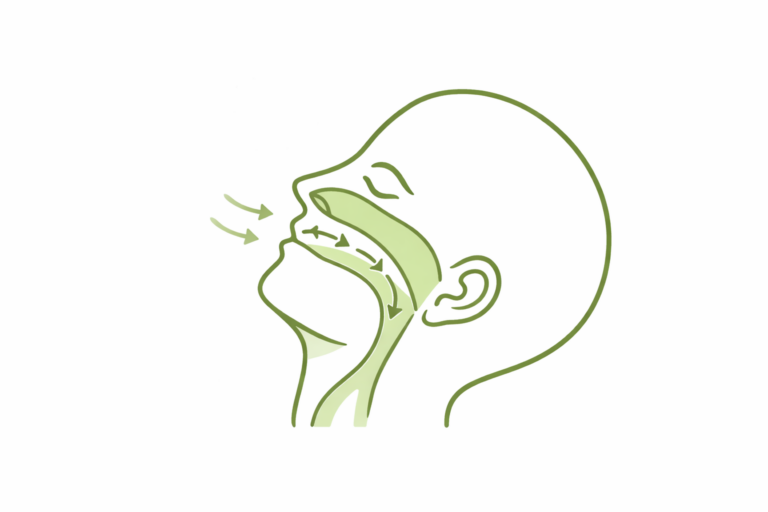
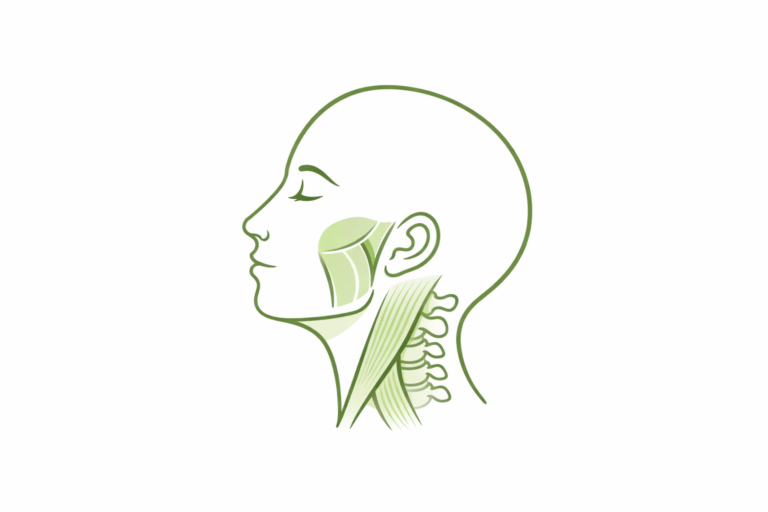
The jaw does not function in isolation. Jaw symptoms can be influenced by the neck, posture, breathing, sleep, stress physiology and nervous system sensitivity. When these factors are clinically relevant, they are considered as part of a broader, diagnosis-led TMD assessment.

What this treatment is
Understanding everyday influences on jaw function
Lifestyle and contributing factor guidance focuses on identifying daily patterns that may be placing ongoing load on the jaw joints, muscles and surrounding structures.
This is not about strict rules or generic lifestyle advice. It is a clinically guided self-management approach that helps patients understand how habits, posture, jaw use, stress, sleep and recovery may influence their symptoms.
Our approach is informed by DC/TMD principles and the biopsychosocial model of pain, which recognise that TMD symptoms can be influenced by biological, mechanical, behavioural and psychosocial contributors.
This may involve:
- identifying patterns of jaw use during daily activities
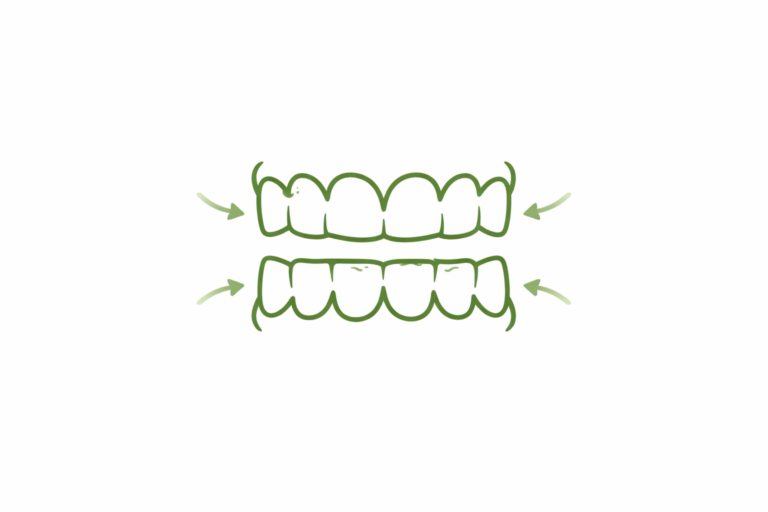
- recognising awake bruxism patterns, such as clenching, bracing or holding the teeth together
- understanding how posture, head position and neck function may influence jaw loading
- recognising repetitive or prolonged activities that increase muscle or joint strain
- considering how stress physiology and nervous system arousal may affect muscle tension
- reviewing how sleep quality and recovery may influence symptom persistence
- considering dietary, hydration or inflammatory health factors where clinically relevant
These factors are explored in context, alongside the broader assessment of jaw joints, muscles, bite function and pain presentation.
Why it may be used
When daily patterns are contributing to symptoms
For some patients, jaw symptoms are influenced by repeated low-level strain rather than one single event. Small daily patterns, such as sustained tooth contact, jaw bracing, prolonged chewing, posture-related loading or tension during concentration, can gradually increase muscle activity and joint load.
Over time, this may:
- increase jaw muscle fatigue and tenderness
- place additional load on the jaw joints and surrounding tissues
- contribute to clenching, bracing or protective guarding patterns
- reduce recovery between episodes of strain
- increase nervous system sensitivity to pain
01
Clenching patterns - Holding tension in the jaw during concentration, stress or daily tasks
02
Postural habits - Head and neck positioning that influences how forces are distributed through the jaw
03
Repetitive use - Frequent or prolonged activities such as chewing, talking, or sustained jaw positions
04
Behavioural patterns - Unnoticed habits that contribute to ongoing muscle activity
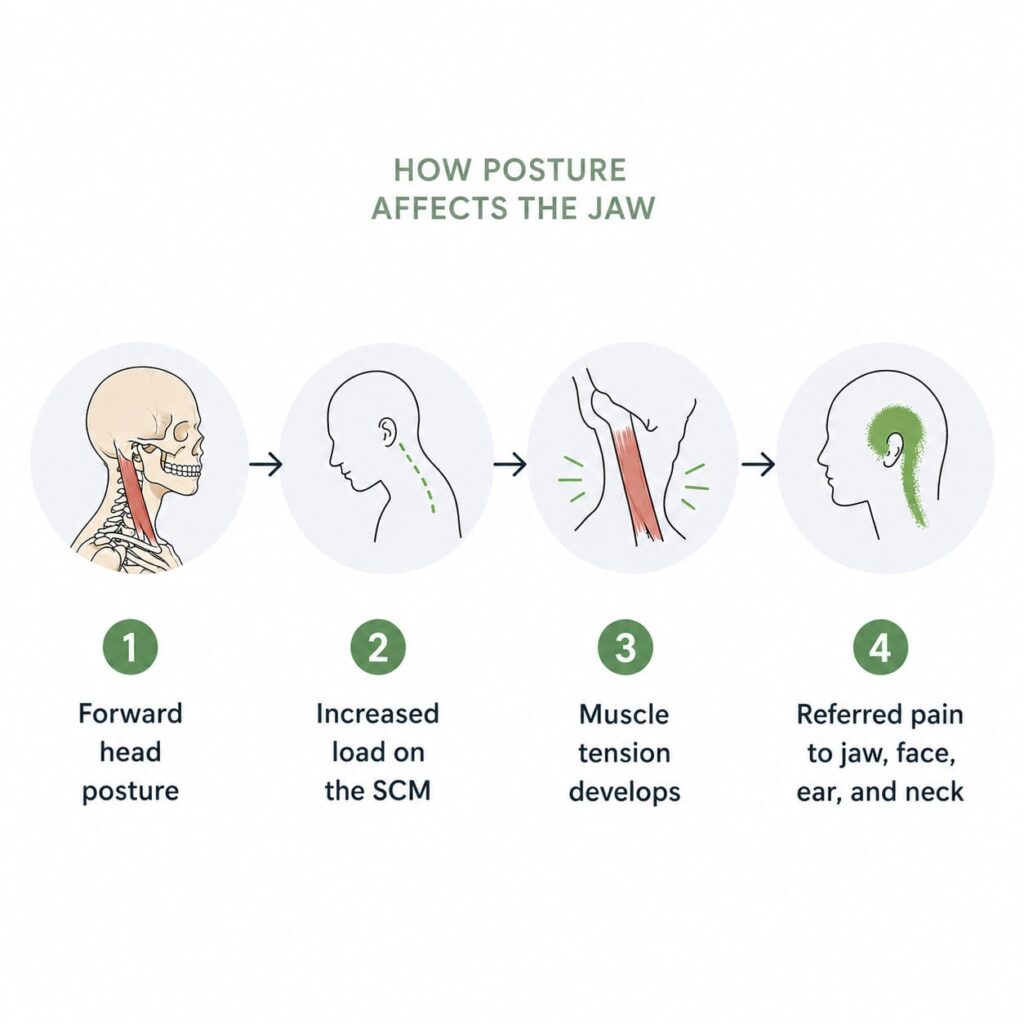
“Small daily patterns can influence how the jaw system functions over time.”
These factors are often subtle and may not be immediately obvious. Assessment helps identify whether they are relevant and how they may be contributing.
Tailored guidance
Not all patterns require change
Guidance is based on what is identified during assessment. The aim is not to remove every habit or create rigid rules, but to identify which patterns may be increasing load on the jaw system and whether they can be modified.
This approach focuses on targeted, practical adjustments that support jaw function, reduce unnecessary strain and improve recovery. Guidance is usually integrated into consultations and review appointments as part of the broader treatment plan.
This may include:
Habit awareness
Recognising when the teeth touch, when the jaw is held tense, or when muscle guarding occurs during daily activities
Load management
Understanding which activities increase jaw load and when temporary modification may be helpful
Postural awareness
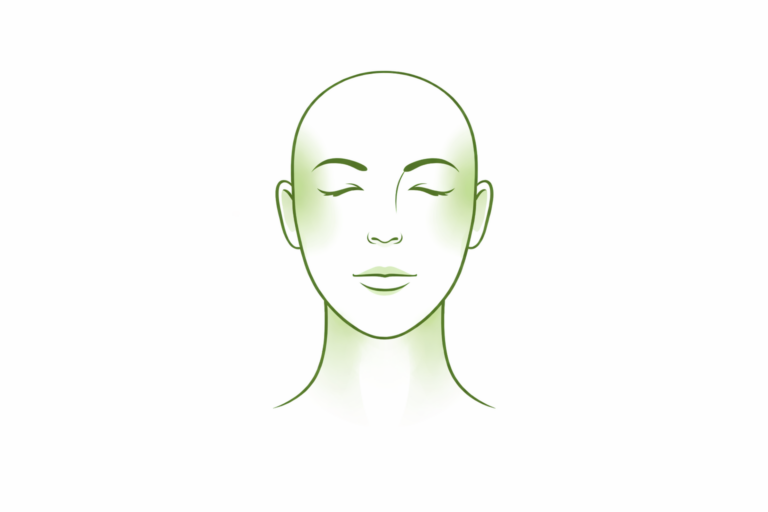
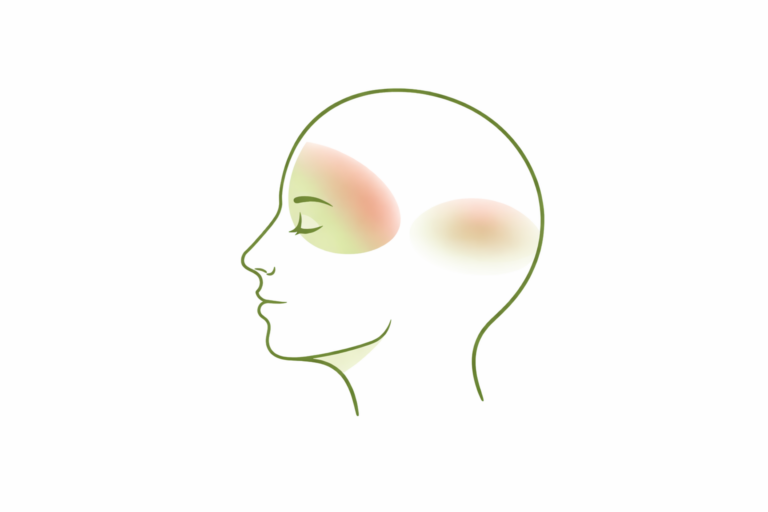
Noticing how head, neck and body positioning may influence jaw tension, headaches or facial symptoms
Gradual adjustment
Introducing changes in a way that is practical, sustainable and appropriate to your lifestyle

The aim is to support the jaw system within normal daily activity, rather than creating rigid or difficult routines.
Part of a broader plan
One part of a complete approach
Lifestyle guidance supports care when daily patterns are contributing to jaw symptoms. It does not replace other aspects of treatment and is used alongside diagnosis-led planning.
These systems are closely connected. Changes in one area can influence others, which is why symptoms may not always relate to a single structure. Addressing lifestyle factors may support care when they are contributing, but is usually one part of a broader, integrated approach.
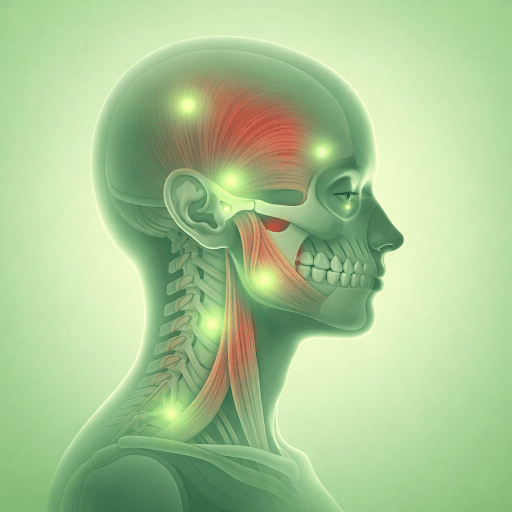
Considering the whole system
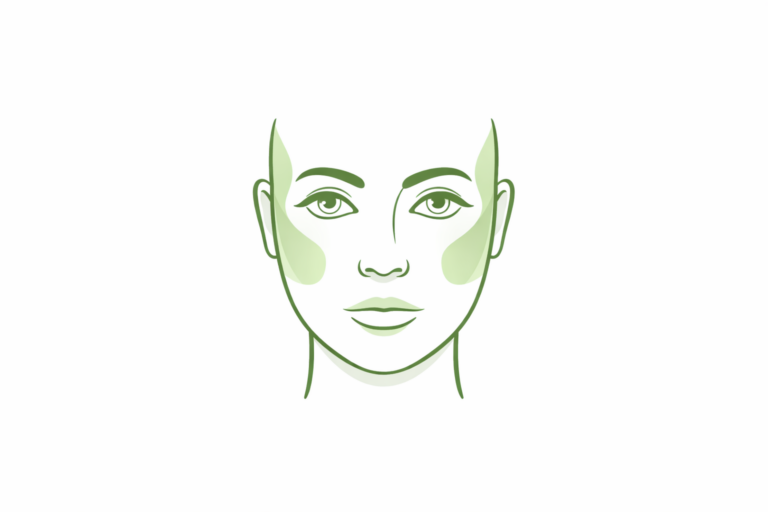
Daily habits interact with how the jaw system functions.
Muscle activity and tension patterns
Joint loading during routine activities
Posture and body positioning
breathing and airway function
sleep quality and recovery
stress and nervous system responses
When It May Help
When daily patterns are influencing symptoms
symptoms appear to relate to daily activities or routines
jaw tension increases during concentration or stress
posture appears to influence discomfort
patterns suggest repeated strain over time
Assessment helps determine whether these factors are relevant and how they may be addressed.
Treatment Options
Learn about TMJ treatment approaches
Our approach to TMJ care
Whole-body care guided by diagnosis
TMJ symptoms rarely come from the jaw alone. They can involve joint mechanics, muscle tension, bite function, posture, breathing, and sleep. At TMJ Centre Melbourne, care begins with understanding why symptoms are occurring. Treatment decisions follow diagnosis, not symptom labels. Care plans are personalised and often combine approaches, with progress reviewed and adjusted over time.
Diagnosis first
Whole-body assessment
Multidisciplinary care
Staged treatment
Evidence-Informed Care
We use recognised diagnostic frameworks and current literature to help guide assessment and treatment planning where relevant.