TMJ Symptoms

TMJ symptoms and conditions we help with

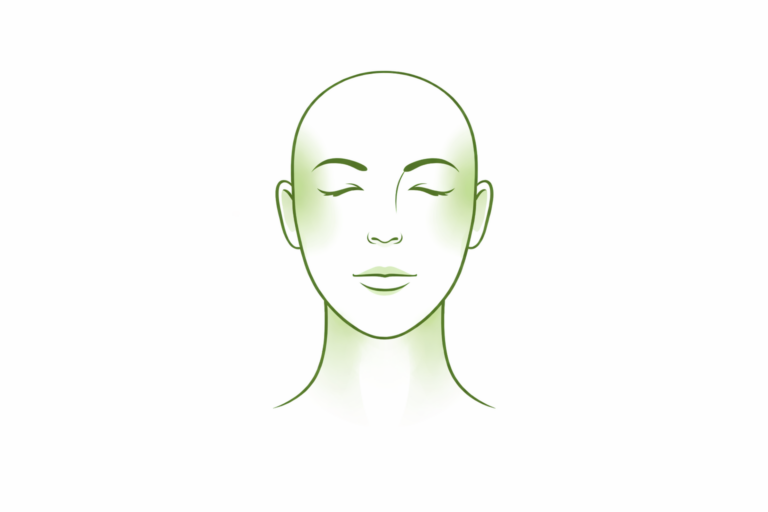
TMJ symptoms can affect the jaw, face, head, neck, ears, and sleep. They rarely appear in isolation, and many people experience a combination of symptoms that change over time.

This page brings together the main TMJ-related symptoms and conditions we assess at TMJ Centre Melbourne.
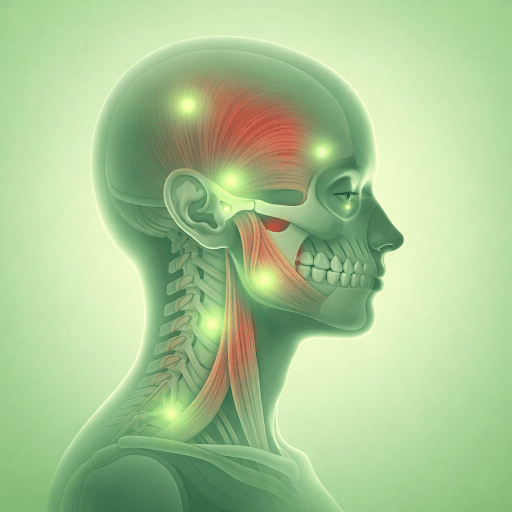
Symptoms can overlap

Understanding TMJ symptoms

TMJ-related problems can involve the jaw joints, muscles, bite, posture, clenching, grinding, breathing, sleep, and daily habits. A symptom does not confirm a diagnosis on its own. Jaw pain, clicking, headaches, facial tightness, or ear symptoms can have different underlying causes for different people. Assessment helps identify what may be contributing to your symptoms, rather than treating the symptom name alone.

Symptoms often travel together

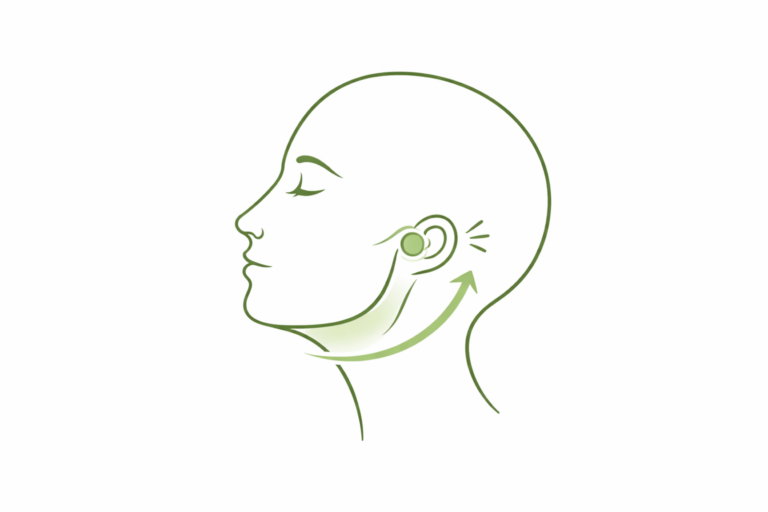
The jaw does not work in isolation, many people experience more than one TMJ-related symptom at the same time. Jaw pain may appear with headaches, facial tension, ear symptoms, clenching, grinding, or neck discomfort. These patterns can be useful to recognise. They do not explain the full picture by themselves. Care is guided by how your symptoms behave, how your jaw is functioning, and what the assessment shows.

Common symptoms include:
  • Jaw pain or discomfort
  • Jaw clicking, popping, or locking
  • Restricted jaw opening
  • Facial pain or tightness
  • Headaches linked to jaw tension
  • Clenching or grinding
  • Ear pain, fullness, or ringing
  • Sleep-related jaw symptoms

Some symptoms may come and go. Others may persist or gradually become more noticeable.

Explore TMJ symptoms and conditions

TMJ disorders and jaw pain
TMJ disorders involve irritation or dysfunction of the jaw joints and surrounding muscles which can cause jaw pain, stiffness, chewing difficulty and fluctuating discomfort.
Jaw clicking, locking and restricted opening
Jaw clicking or locking can occur when the jaw joint disc or muscles move irregularly sometimes limiting comfortable mouth opening and causing intermittent stiffness.
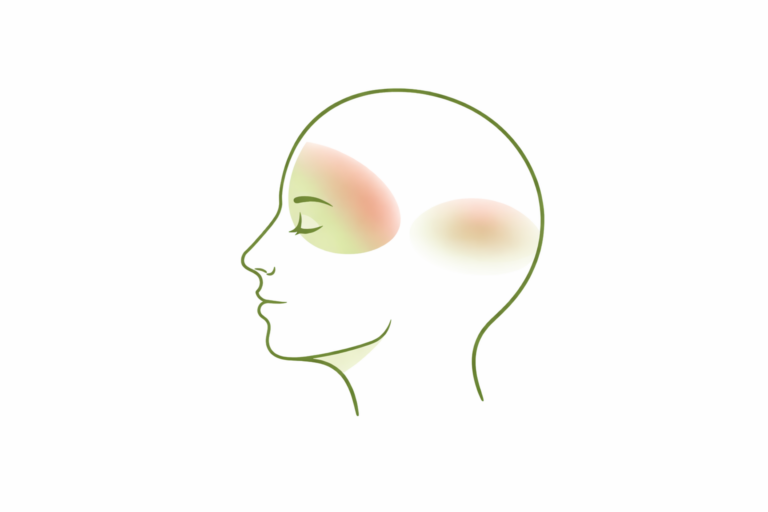
Headaches and TMD
Headaches linked with jaw disorders may develop when overactive jaw muscles joint strain or clenching place pressure on surrounding structures including temples and neck.
Clenching and grinding (bruxism)
Clenching and grinding of the teeth often occur during sleep or periods of concentration placing repeated load on jaw muscles joints and surrounding tissues.
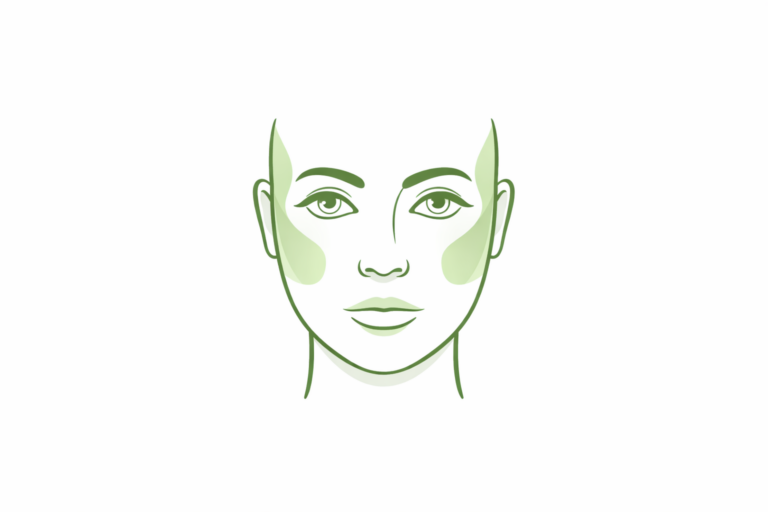
Facial pain and tightness
Facial pain or tightness can develop when jaw muscles become overworked sensitive or inflamed sometimes spreading discomfort across the cheeks temples and jawline muscles.
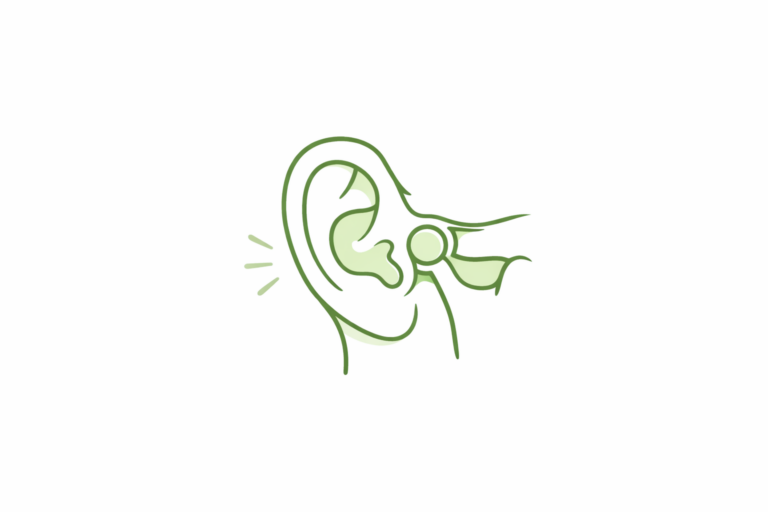
Ear symptoms related to TMJ
Ear symptoms such as fullness pressure ringing or discomfort may occur when jaw joint irritation or surrounding muscle tension influences nearby ear structures nerves.
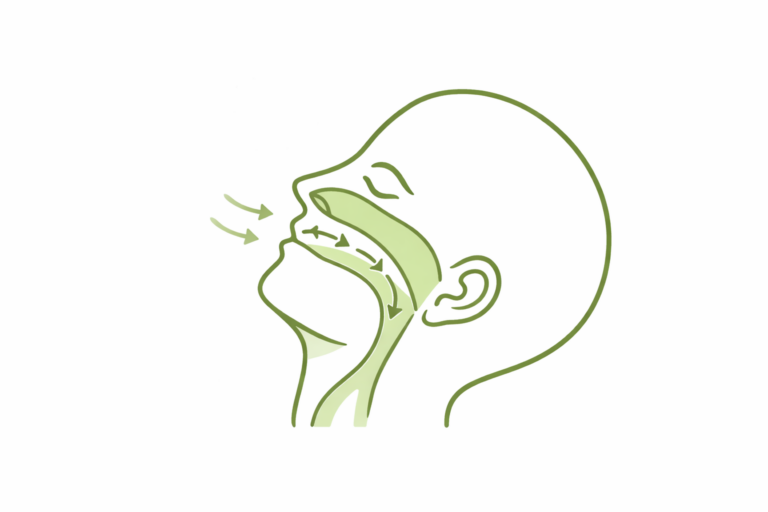
Snoring and sleep apnoea support
Snoring and sleep breathing problems can sometimes relate to jaw position airway structure and muscle patterns affecting night breathing quality sleep stability and fatigue.
Chronic jaw, face and neck pain
Persistent pain affecting the jaw neck or face may involve muscles joints and surrounding nerves with symptoms that fluctuate with stress movement posture patterns.

Many factors contribute at once

Why symptoms can feel connected

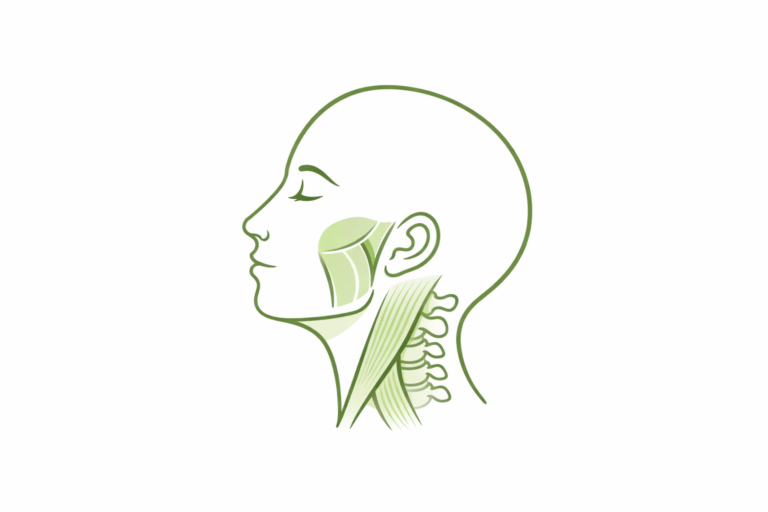
TMJ-related symptoms may involve more than one system. The jaw joints, chewing muscles, neck muscles, posture, sleep quality, breathing patterns, and clenching habits can all influence how symptoms behave.

This is why two people with similar jaw pain may need different care. One person may have mostly muscle-related pain. Another may have joint strain, sleep disruption, or referred pain from the neck contributing to their symptoms.

A structured assessment helps clarify which factors are relevant.
Treatment depends on the cause​
Treatment is guided by diagnosis and contributing factors. It is not based on one symptom alone.
For example, jaw pain may involve joint loading, muscle tension, clenching, posture, sleep disruption, or a combination of these. Treatment planning depends on what the assessment finds.
Care may involve more than one approach. It is reviewed over time based on symptoms, jaw function, and response to care.
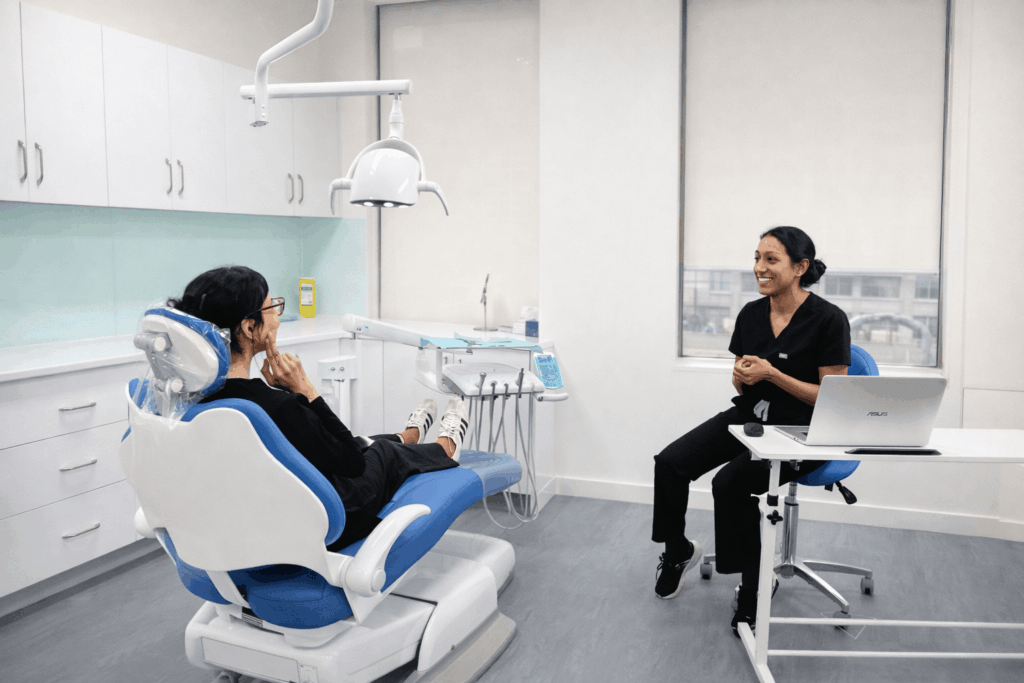
How assessment helps

At TMJ Centre Melbourne, assessment may consider:

  • Jaw joint movement
  • Muscle tenderness and referral patterns
  • Bite and jaw position
  • Clenching and grinding patterns
  • Neck and postural factors
  • Sleep and breathing concerns

Where appropriate, care may involve both dental and musculoskeletal assessment. This helps build a clearer picture of how your symptoms are connected.
When symptoms are persistent or unclear

If TMJ-related symptoms are persisting, changing, or difficult to understand, an assessment can help clarify what may be contributing.