
Low-level laser therapy - Photobiomodulation
Adjunctive support for selected TMD presentations
Photobiomodulation, also known as low-level laser therapy, may be considered as an adjunct when assessment identifies local muscle tenderness, joint sensitivity or tender or irritated tissues that is limiting comfort or function.
It is not used routinely for every TMD presentation. Instead, it is considered selectively, based on diagnosis, symptom behaviour, and whether reducing local tissue sensitivity may help support the broader treatment plan.
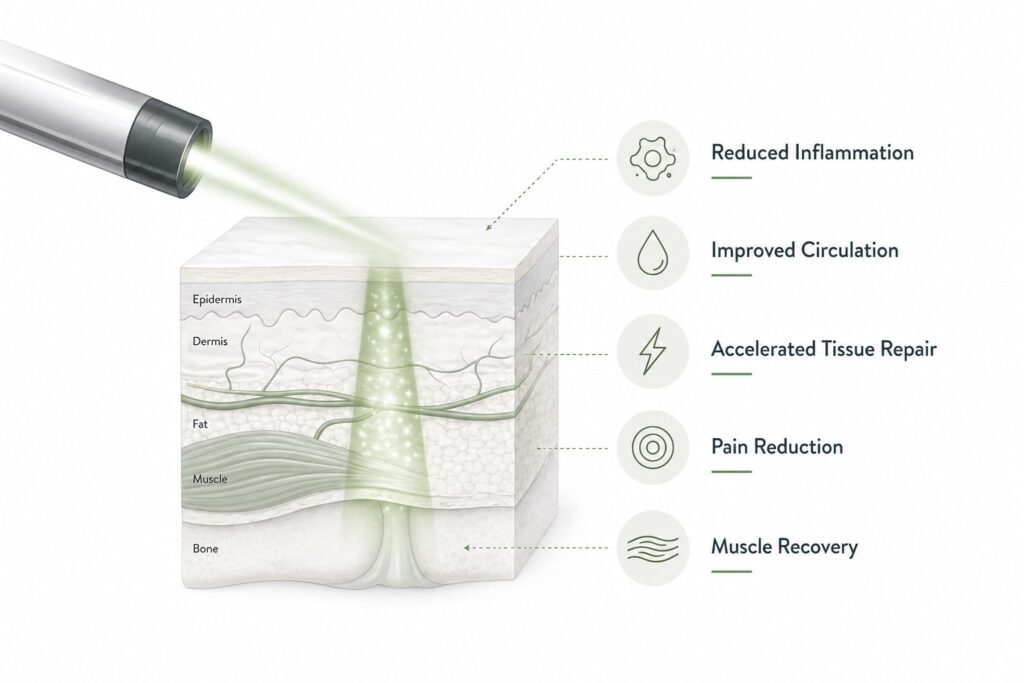
What this treatment is
Light-based support for irritated muscles and joints
Photobiomodulation uses specific wavelengths of light applied to targeted tissues. It is thought to influence cellular and inflammatory processes involved in pain and tissue irritability.
In some patients, this may help reduce pain sensitivity and improve comfort in symptomatic muscles or joint-related tissues. It does not change the structure of the jaw, teeth, or joint position.
PBM is used as an adjunctive treatment, not a standalone solution. Where appropriate, it may be integrated with other parts of care such as splint therapy, habit modification, jaw rehabilitation, or co-managed treatment.
When it may be considered
When local tissue sensitivity contributes to symptoms
Photobiomodulation may be considered where assessment identifies that local tissue sensitivity is contributing to symptoms.
This may include:
01
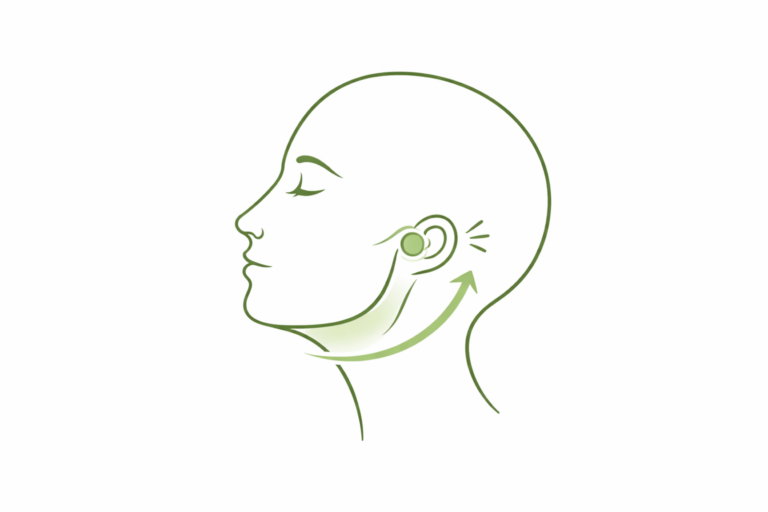
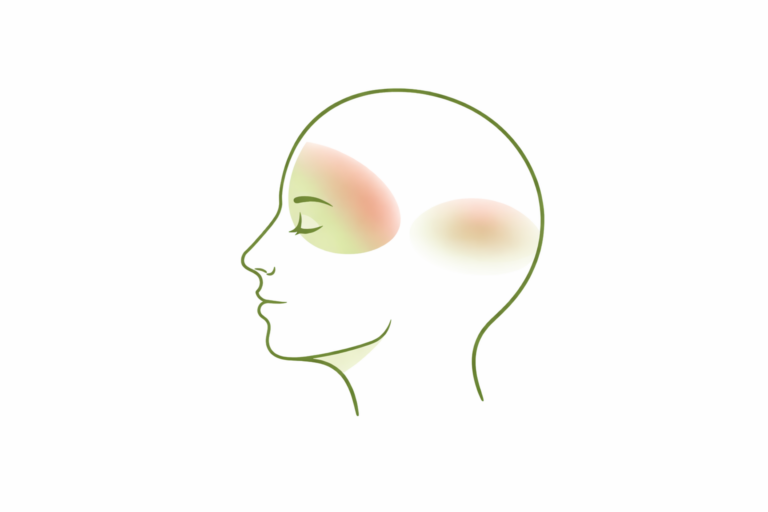
Muscle-related pain - Localised tenderness, trigger points, or fatigue within the jaw and surrounding muscles
02
Joint-related sensitivity - Discomfort associated with joint loading, movement, or inflammation
03
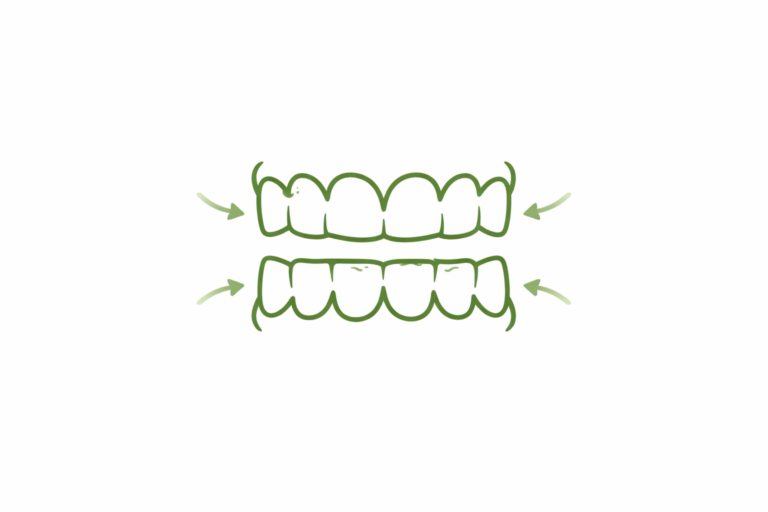
Soft tissue irritation - Structures affected by repeated strain, overuse, or altered function
04
Adjunctive pain modulation - Where reducing tissue sensitivity may assist overall treatment progress
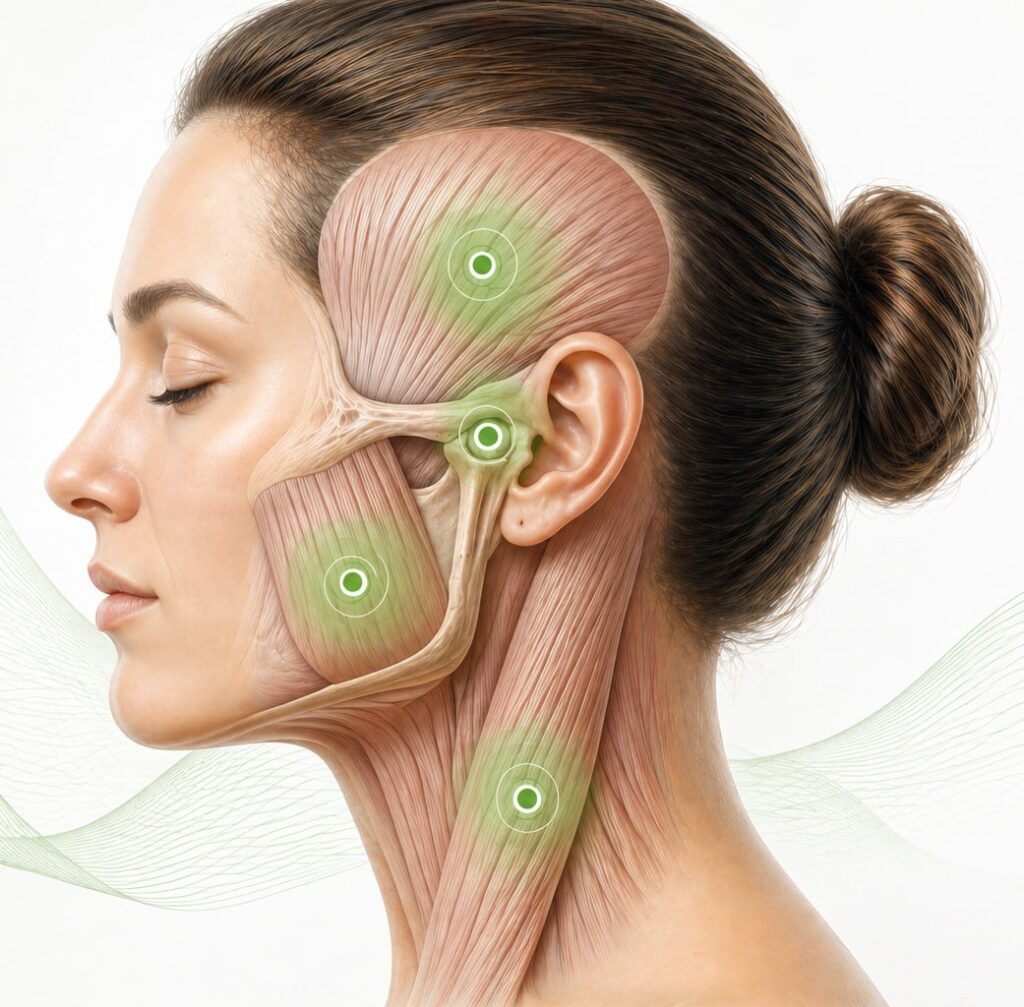
In some cases, this may help improve comfort with jaw movement or tolerance to other aspects of care.
Not all TMD presentations are driven by local tissue factors, which is why this approach is not required for every patient.
Tailored application
Guided by clinical findings
Treatment is guided by structured assessment and introduced only where it is clinically relevant. When used, PBM is applied to specific muscles or joint areas and integrated into a broader, diagnosis-led treatment plan. Its role is reviewed over time and adjusted based on symptom response and overall progress.
The aim is not to treat symptoms in isolation, but to include it only where it meaningfully supports long-term management.
Current evidence suggests photobiomodulation may help some patients with TMD-related pain, particularly in selected muscle-related presentations. However, it is not universally indicated, and its role is best considered as part of a broader, individualised care plan.
Important to know:
PBM does not change jaw structure, tooth position, or joint anatomy
It is not a routine or first-line treatment for all TMD presentations
It is used selectively, based on individual diagnosis and clinical findings
Outcomes can vary between patients
Part of a broader approach
Integrated within comprehensive TMD management
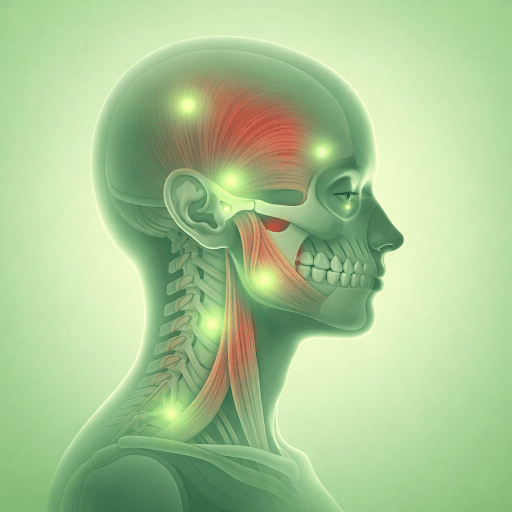
Considering the whole system
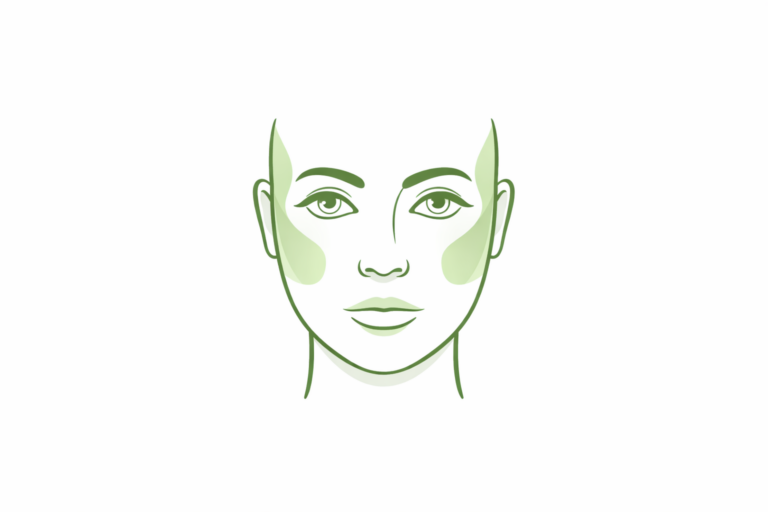
The jaw does not work in isolation. Assessment may consider how jaw function sits alongside other contributing factors. Addressing one area alone may not fully resolve symptoms if other contributors are present.
Neck and muscle patterns
Posture and daily habits
Breathing and sleep factors
Dental and musculoskeletal relationships
When it may be considered
When tissue-level mechanisms are clinically relevant
local muscle or joint sensitivity
pain associated with tissue loading or irritation
areas of reduced tolerance or recovery
a need to modulate pain to support other treatments
Some patients notice a gradual reduction in sensitivity or improvement in comfort over time, particularly when used alongside other targeted treatments. Assessment determines whether this approach is appropriate and how it fits into the overall plan.
Treatment Options
Learn about TMJ treatment approaches
Our approach to TMJ care
Whole-body care guided by diagnosis
TMJ symptoms rarely come from the jaw alone. They can involve joint mechanics, muscle tension, bite function, posture, breathing, and sleep. At TMJ Centre Melbourne, care begins with understanding why symptoms are occurring. Treatment decisions follow diagnosis, not symptom labels. Care plans are personalised and often combine approaches, with progress reviewed and adjusted over time.
Diagnosis first
Whole-body assessment
Multidisciplinary care
Staged treatment
Evidence-Informed Care
We use recognised diagnostic frameworks and current literature to help guide assessment and treatment planning where relevant.