
tmj clinic melbourne | Jaw Pain & TMD Assessment Clinic
Clear answers for jaw, facial, head and TMJ-related pain
TMJ Centre Melbourne provides structured assessment for jaw pain, clicking, locking, facial pain and headaches. No referral required. Melbourne CBD.
TMJ symptoms explained
Different symptoms may be connected
Jaw problems do not always cause one clear symptom. Some people notice a combination of jaw discomfort, headaches, facial tension, ear symptoms or poor sleep. Looking at these symptoms together can help identify whether they may be connected.

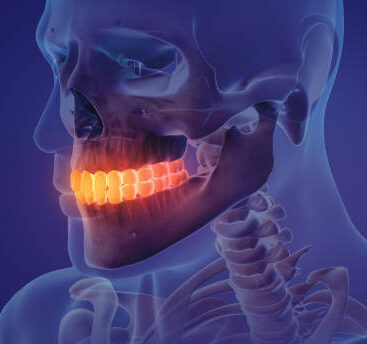
Jaw movement and joint changes

Headaches and facial pain

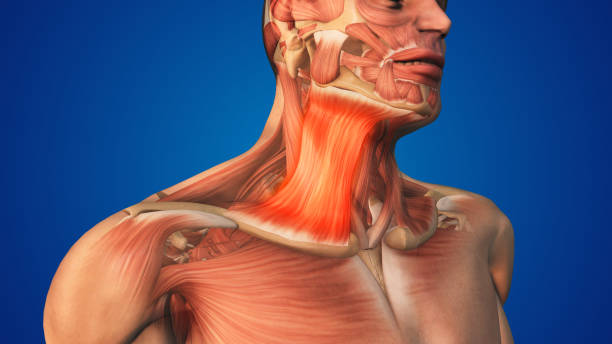
Muscle tightness and clenching

Ear-related symptoms

Sleep-related symptoms
Poor sleep quality, snoring, morning fatigue or jaw tension on waking.
Is this TMJ-related?
TMJ symptoms are often difficult to connect on your own
Many patients arrive after seeing multiple practitioners without clear answers. This is common. TMJ symptoms can overlap with dental, muscular, neurological and sleep-related issues.
A structured way of exploring your symptoms can help you understand whether TMJ may be contributing.
If your symptoms have been persistent, changing or difficult to explain, you can learn what happens during a TMJ assessment.
- TMJ issues are often multi-factorial
- Symptoms may fluctuate or move over time
- Pain location does not always indicate the cause
Our approach to TMJ care
Whole-body care, guided by a diagnosis-led approach
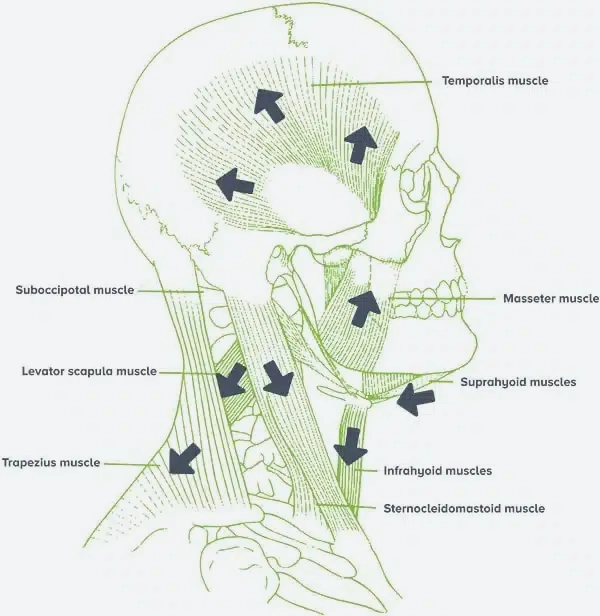
TMD symptoms are rarely just a jaw issue. They can involve the jaw joints, chewing muscles, bite forces, neck function, sleep, breathing patterns and pain sensitivity, with different factors contributing in different people.
At TMJ Centre Melbourne, our diagnosis-led, multidisciplinary approach considers both the local jaw findings and the broader contributors that may be influencing your symptoms. This helps guide more targeted, individualised care.
Diagnosis comes before treatment
We do not offer isolated treatments. Every recommendation sits within a structured, diagnosis-led care pathway.
Whole-body assessment
We look beyond the jaw, considering posture, muscle tension, breathing, sleep and daily habits to build a clearer picture of what is driving symptoms.
Multidisciplinary care
Your care plan is informed by integrated TMJ expertise, with coordinated input across disciplines when appropriate, rather than treating symptoms in isolation.
Conservative and personalised
Treatment is introduced step by step and adjusted according to how your symptoms and jaw function respond.
Integrated TMJ expertise
Dental and in-house allied health care, considered together
TMD can involve the jaw joints, chewing muscles, bite forces and movement patterns. In some patients, symptoms are also influenced by neck function, posture, sleep, breathing patterns, clenching or broader pain sensitivity.
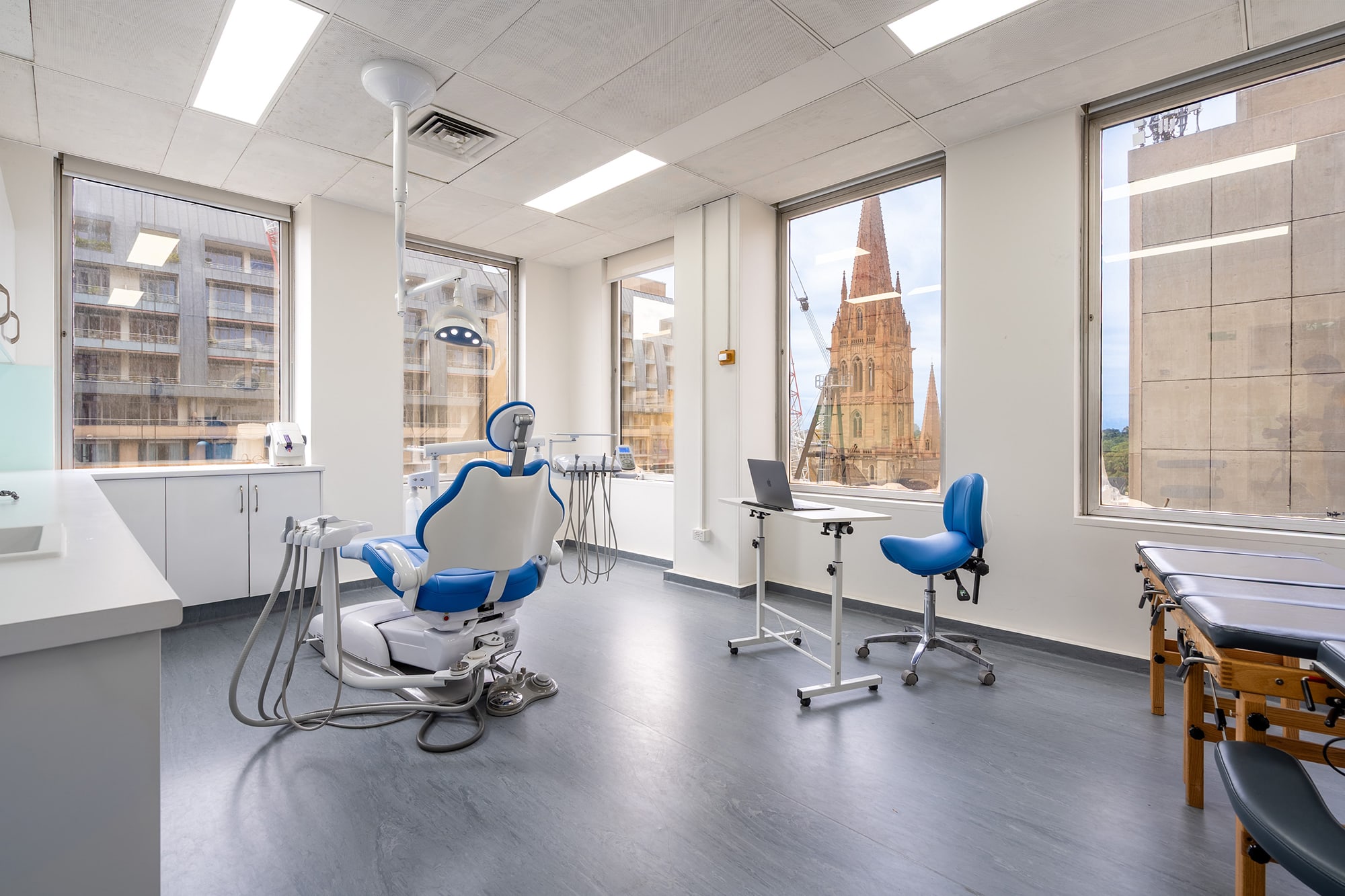
At TMJ Centre Melbourne, our multidisciplinary approach allows dental and allied health findings to be considered together where clinically relevant. This can be helpful when symptoms are persistent, complex, recurrent, or involve the jaw, head, neck or sleep.
At TMJ Centre Melbourne, assessment and care bring together:
- Dentistry for TMJ and related conditions
- In-house allied health support where appropriate
- Shared treatment planning
This helps ensure symptoms are not assessed in isolation, but in the context of the factors that may be contributing to each patient’s presentation.

tmj appointment melbourne - what to expect
A clear and structured TMJ assessment
The first appointment is designed to reduce confusion and provide clear explanations.
Patients are told what can be addressed, what may need managing, and when other care is more appropriate.
How TMJ symptoms are managed
Structured care, tailored to diagnosis
Treatment is selected based on assessment findings. Not every patient requires the same approach, and tools are used within a broader care plan.

Comprehensive TMJ assessment
Identifying whether symptoms are muscle-related, joint-related, disc-related, referred or influenced by broader contributing factors.
Jaw support and orthotics
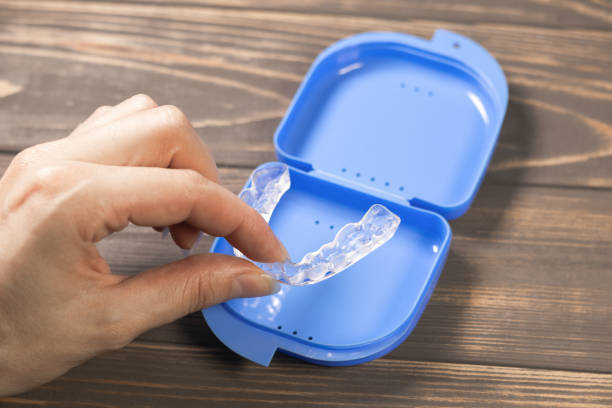
Custom-made oral appliances used when jaw joint unloading, muscle load reduction or jaw guidance is indicated.
Muscle and movement care
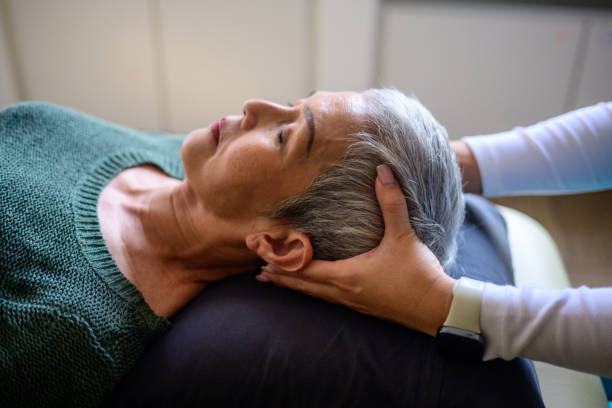
Addressing muscle overactivity, trigger points, joint sensitivity or restricted movement.

Sleep-related support
Managing sleep related factors which influence TMD symptoms
tmj clinic melbourne - Your next step
Move forward at your own pace
Different people arrive at different stages of understanding. Choose the path that feels right for you.

TMJ Centre Melbourne - Clinic information
Clear, accessible TMJ care
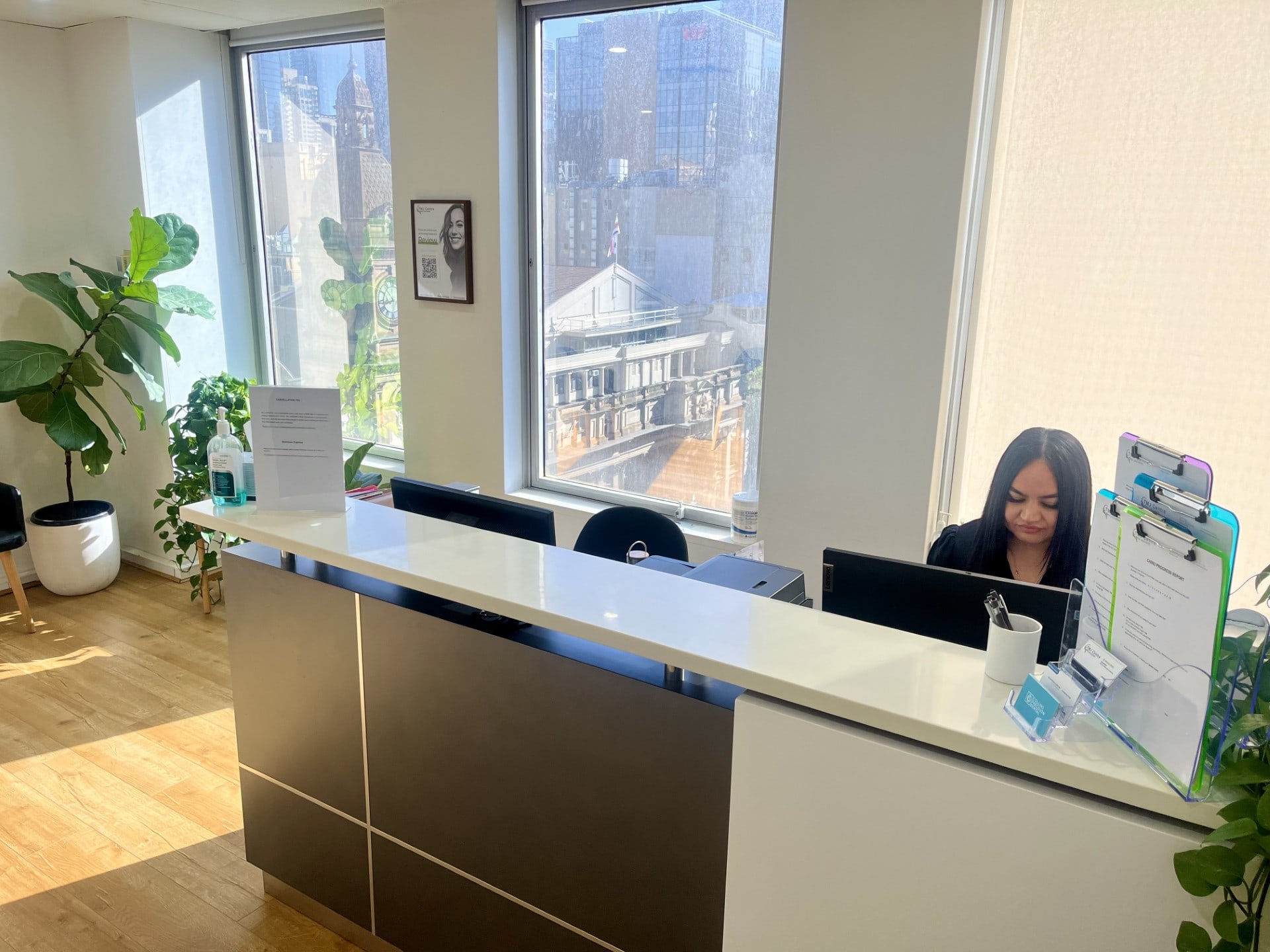
- Located in Melbourne CBD
- Accepts self-referrals and practitioner referrals
- Telehealth available in limited, appropriate cases
- Care delivered by registered dental and chiropractic professionals
Clarity starts with understanding

Common TMJ questions
Still unsure? Start here...
How do I know if my symptoms are TMJ-related?
TMJ symptoms often involve more than the jaw. They may include headaches, facial pain, ear pressure, clicking, locking or clenching.
Because these symptoms overlap with other conditions, a structured assessment is usually required to determine whether TMJ is contributing.
If symptoms have been persistent or confusing, it may be worth exploring further.
Do I need a referral to book an appointment?
No referral is required.
Patients may self-refer, or attend following a referral from a dentist, GP or allied health practitioner.
If you have previous imaging or reports, you are welcome to bring them.
What happens at the first appointment?
The first appointment focuses on understanding your symptoms and identifying contributing factors.
This includes:
- A detailed history
- Examination of jaw joints and muscles
- Assessment of bite and movement
- Clear explanation of findings
You will be guided through appropriate next steps if treatment is indicated.
Will I definitely need a splint or orthotic?
Not necessarily.
Orthotics are one tool within a broader treatment pathway. Some patients require them. Others do not.
Recommendations are based on diagnosis, not routine protocol.
How long does TMJ treatment take?
Timeframes vary depending on:
- Duration of symptoms
- Contributing factors
- Individual response to care
- Some patients notice early changes. Others require staged management over a longer period.
Your treatment plan will outline realistic expectations.
Do you work with other healthcare providers?
Yes.
TMJ Centre Melbourne collaborates with dentists, GPs, sleep physicians and allied health professionals when appropriate.
TMJ conditions often benefit from coordinated care.
Is TMJ related to sleep or posture?
In some cases, yes.
Jaw position, muscle activity, airway function and posture can influence each other.
Assessment helps clarify whether these relationships are relevant in your case.
Still have questions? Explore our Patient Guides below
TMJ Knowledge Centre
Patient Guides